

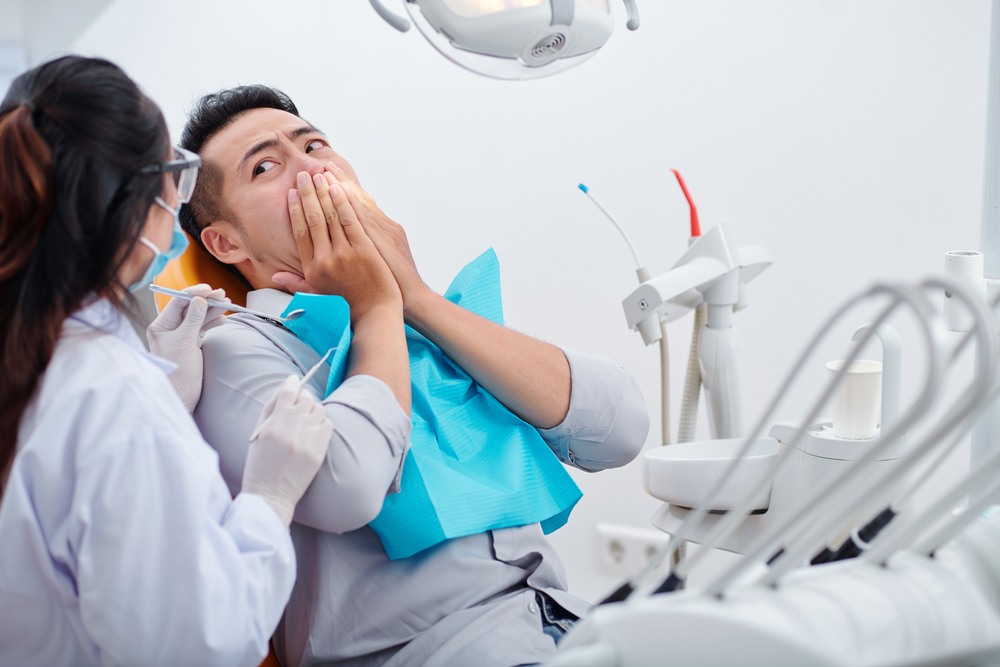
Dental anxiety is not just about disliking dental treatment. It is a complex emotional response shaped by our past experiences, expectations, and grave feelings of uncertainty.
Have you ever postponed a dental appointment because you were “too busy”, only to realise later that fear probably played a bigger role than you would like to admit? Or suffered through sweaty palms, body shivers and sleepless nights at the mere thought of sitting in that dental chair next week, drills and sharp instruments literally in your face?


You are far from alone.
Dental anxiety, this apprehension of dentists and needles and teeth-plucking, is a concern shared by millions of people all around the world, regardless of age. If left unaddressed, it can lead to a vicious cycle: if you avoid the dentist for too long, the more likely dental problems crop up, which just makes future visits all the more stressful.
The good news is that dental anxiety is manageable. The first step is to understand where these fears come from, recognise the health risks of avoiding dental care, and learn practical strategies to replace the dread with greater confidence.
Why Is the Dentist Such a Common Source of Terror?
Dental anxiety refers to feelings of fear, stress or unease associated with dental treatment or the anticipation of something unpleasant occurring during a dental procedure. While some people simply feel nervous before a routine check-up, others may experience intense fear that prevents them from seeking care altogether.
In severe cases, this fear develops into dental phobia (dentophobia), a condition in which the anxiety becomes so overwhelming that individuals will avoid dental treatment even when they are experiencing significant pain.
While dental anxiety is generally accorded to children, it should be noted that numerous adults feel it as well. And no, it is not a sign of immaturity or weakness, but rather a genuine emotional response with its own varied causes.

“Dental anxiety is often rooted in past experiences, fear of pain, or simply the uncertainty of not knowing what to expect,” explained Dr Leroy Kiang, practitioner of minimally invasive aesthetic surgery at Orchard Scotts Dental.
This anxiety can be often traced back to childhood. Maybe it was an uncomfortable cleaning, a painful tooth extraction, or some other alarming ordeal at the clinic that created lasting memories. It could even come down to unsettling portrayals from our own parents as they prepared us for an appointment, leaving a deep impression that we remember more vividly than facts.
Beyond the more overt fears of pain and needles is the helplessness that can arise from having to lie back in a chair and leave our mouths exposed and vulnerable to the whims of someone in possession of a dental drill.
Embarrassment can also keep people away. Individuals who have avoided the dentist for years may feel ashamed about the condition of their teeth, or worry about being judged for poor oral hygiene. This can, unfortunately, become a powerful barrier to seeking care.
What Does Avoidance Cost Us?
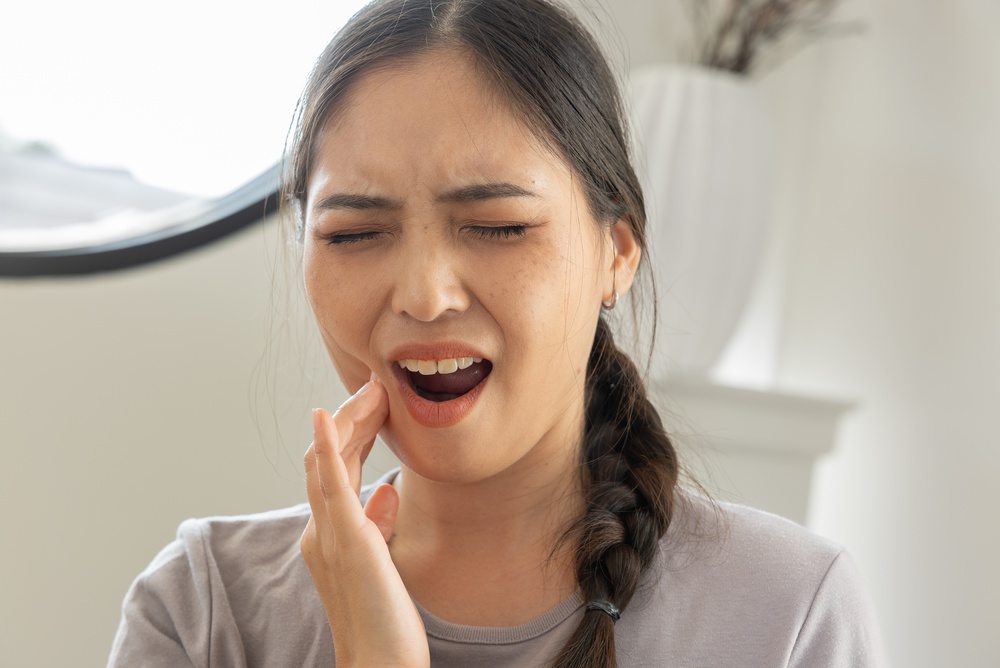
Maybe putting off a routine check-up does not seem like a big deal initially. After all, if nothing hurts, everything must be fine.
Right?
What we often do not consider is how silently dental conditions can develop.
For example, tooth decay and gum disease are two major dental issues that often progress with little to no symptoms. By the time the pain becomes obvious, what could have been a simple treatment via a filling or professional cleaning can transform into invasive procedures, and even tooth loss.
Poor oral health also does not stay confined to the mouth. A dental infection can spread into the surrounding tissues, resulting in facial swelling and difficulty swallowing. Beyond that, it can lead to nausea, fever, severe headaches, breathing difficulties, and a potential loss of vision.
In addition, regular dental visits play a role in the early detection of oral cancers. During a check-up, dentists get to inspect the tongue, the floor of the mouth, the palate and other sites for unusual changes that warrant further investigation. However, if we avoid the dentist due to anxiety, these warning signs may go unnoticed, leading to a delay in diagnosis. The resulting impact is not just on our quality of life, but on our chances of survival.
Facing Your Fear for a Healthier Smile
One of the biggest challenges of dental anxiety is that it tends to reinforce itself, so if you are feeling a lot of trepidation, have a pre-consultation with your dentist to discuss your worries and expectations.
“Share your concerns with your dentist before treatment – we can often adapt the pace, explain each step, and use techniques that prioritise comfort and minimise stress,” advised Dr Leroy. “Building trust through open communication and starting with simple, positive visits can make each appointment progressively more comfortable.”
Practicing breathing exercises and muscle relaxation might also prove useful in helping you destress during your procedure. Before it even begins, as you wait in the reception room, be sure to have some music, a book, or any other item that can keep your mind distracted. You can also consider bringing a friend or family member for emotional support.
During the procedure itself, you can let the dentist know if you are uncomfortable, or need to halt it altogether. Ultimately, the goal is to “create a calm, supportive environment where patients feel informed, heard, and in control throughout their treatment,” he said.
At the end of the day, you don’t need to be someone who loves going to the dentist. All you need to do is reach a point where fear no longer stands between you and your own wellbeing.
External References
- Cleveland Clinic. (2022, March 31). Dentophobia (Fear of Dentists). Retrieved from: https://my.clevelandclinic.org/health/diseases/22594-dentophobia-fear-of-dentists
- Higuera, V. (2021, April 15). Coping with Dental Anxiety. Healthline. Retrieved from: https://www.healthline.com/health/anxiety/dental-anxiety
- Kandola, A. (2025, January 31). Signs and symptoms of a tooth infection spreading to the body. Medical News Today. Retrieved from: https://www.medicalnewstoday.com/articles/symptoms-of-tooth-infection-spreading-to-the-body
- Khoo, B. K. (2022, April 27). Why are some people terrified of going to the dentist? Here’s how to overcome your anxiety and fear of pain. CNA. Retrieved from: https://cnalifestyle.channelnewsasia.com/wellness/fear-dentist-dental-anxiety-pain-checkups-310161
- Kumal, M., Shah, A., Karn, K., Kandel, K., Paneru, A., & Subedi, K. (2025). Prevalence of dental anxiety and its associated factors among patients visiting tertiary care dental hospital in Kathmandu, Nepal: a cross-sectional study. BMJ open, 15(7), e103762. Retrieved from: https://pmc.ncbi.nlm.nih.gov/articles/PMC12315013/
- NUHSPlus. (2026, March 25). More than just fear: understanding dental anxiety. Retrieved from: https://nuhsplus.edu.sg/article/more-than-just-fear–understanding-dental-anxiety
- Smilefocus. (n.d.). Overcoming Dental Phobia. Retrieved from: https://www.smilefocus.com.sg/dental-phobia-anxiety-causes-and-treatments/

