

From clinginess to emotional distance, attachment styles shape how we love, trust, and connect. Understanding these patterns may be the key to healthier relationships.
Ever wondered why some relationships feel effortless, while others are fraught with tension and misunderstandings? You may think your romantic successes and struggles are about chemistry, timing, or maybe even luck – but beneath every moment of closeness and chaos lies something far more foundational: your attachment style.


Dredged up from the trenches of your childhood, attachment styles are formed long before your first relationship, but it quietly influences how you trust, love – and pull away.
Whether we cling, withdraw, or connect with ease, these patterns can reveal more about our past than we could have ever imagined. Knowing them can help us explain why we react the way we do – and how we can change for the better.
What Are Attachment Styles?
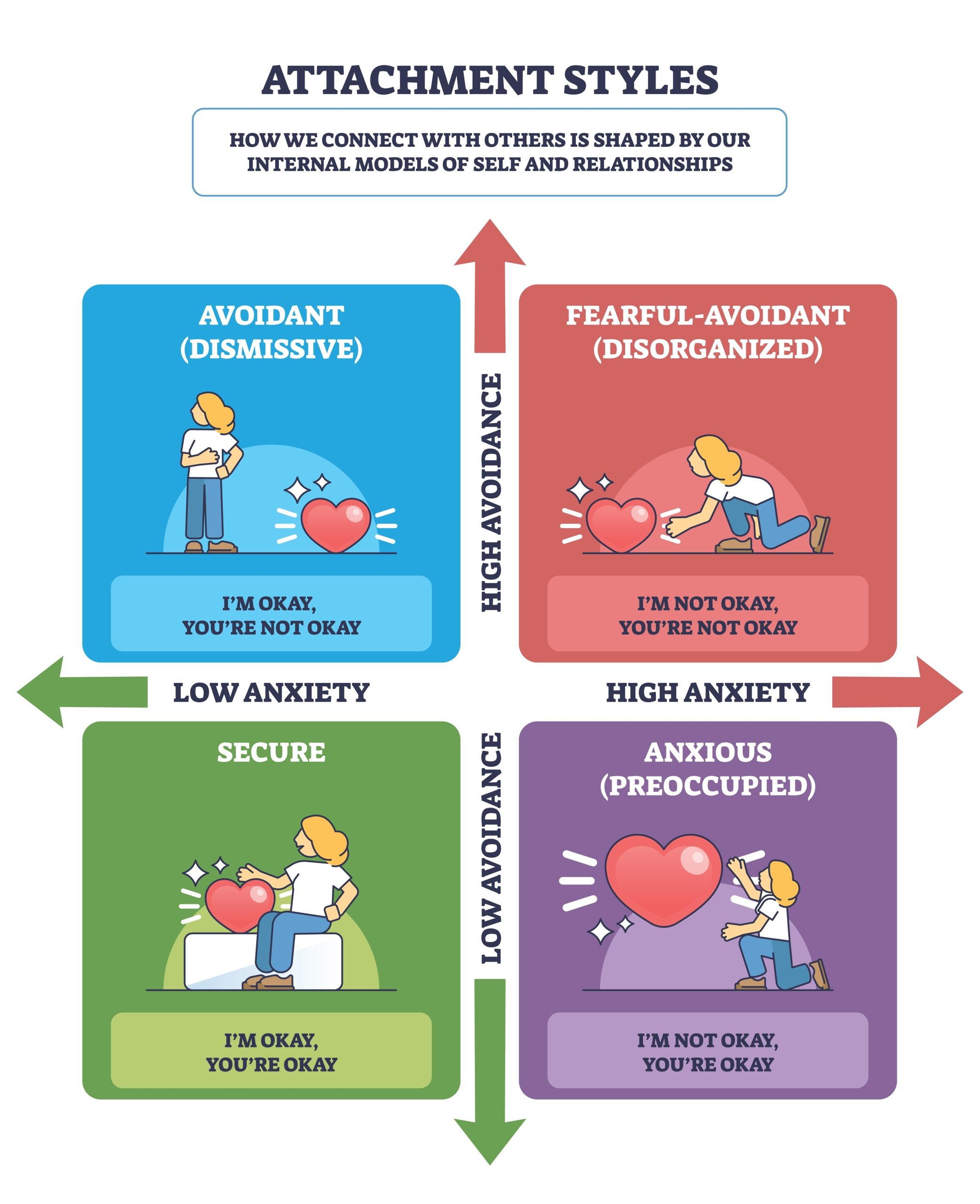
Our understanding of this concept stems from the work of 20th century psychologists such as John Bowlby, who identified the characteristics of attachment and its influencing factors, and Mary Ainsworth, who expanded on his work by uncovering the different attachment styles. In essence, they explain how early bonds between children and caregivers shape emotional development. Over time, researchers found that these childhood patterns tend to carry into adulthood, especially in romantic relationships.
There are four primary attachment styles:
- Secure
- Anxious (or ambivalent)
- Avoidant
- Disorganised (or fearful-avoidant)
Each reflects a unique way of relating to intimacy and trust.
Secure Attachment: Confidence in Connection
As children, those who are securely attached feel valued and understood by their parents or other caregivers. They display distress when they are separated from their caregiver, and happiness when they are reunited with them. In turn, the caregiver is available, responsive, and accepting of emotional reactions.
Securely attached children feel safe exploring their environment, knowing they can return to their caregivers for security and reassurance. These caregivers play with them more often, and soothe them when needed, so they feel comfortable expressing negative emotions.
As adults, their healthy self-esteem is paralleled in their confidence with both intimacy and independence. They are able to form trusting, lasting relationships, communicating openly and seeking social support as needed.
Those with a secure attachment style can:
- Trust others comfortably.
- Communicate and connect with others effectively.
- Regulate their emotions.
- Find contentment in spending time alone.
- Manage conflict in a healthy manner.
- Make themselves emotionally available to the people around them.
Anxious Attachment: Plagued by Self-Doubt
As children, those with an anxious attachment style often experience inconsistent caregiving – sometimes their needs are met, other times not. They show considerable distress when separated from their caregivers, and often don’t feel reassured by their return.
As a result, they may become overly reliant on and more demanding with their caregivers, and don’t feel comfortable leaving their side to explore. They also tend to be more wary of strangers compared to children with other attachment styles.
As adults, the lack of predictability they grew up with has taught them to fear rejection and abandonment, and they constantly worry over their partner’s or friends’ love and commitment to them. They are emotionally overwhelmed by uncertainty, and are constantly seeking approval from others. This can foster behaviours that can strain relationships, such as clinginess, obsessiveness, and difficulty respecting boundaries. They also become distraught when relationships come to an end.
Those with an anxious attachment might:
- Feel unworthy, or have a low self-esteem.
- Be highly sensitive to criticism.
- Be unable to comfortably spend time alone.
- Find it difficult to trust other people.
- Experience frequent bouts of jealousy.
Avoidant Attachment: Uncomfortable With Intimacy
As children, those with an avoidant attachment are unusually independent, and show little to no preference between a caregiver and a stranger. They might not reject attention when it is given to them, but neither will they seek comfort or even contact. This may result from having parents who are unresponsive to their needs, or even abusive.
As their caregiver may respond unhelpfully or adversely towards them, the child learns to be more self-reliant. They do not turn to their caregiver when they are distressed, and minimise displays of negative emotions.
As adults, this translates into a tendency towards emotional distance, and a reluctance to engage. They value self-sufficiency so highly that intimacy can feel uncomfortable or even threatening. As a result, they often keep an emotional distance in both friendships and romantic relationships. Sharing their thoughts, showing vulnerability, or providing emotional support may feel challenging. When relationships become overwhelming, they may seek greater space or withdraw altogether. This can cause their partner to feel shut-out or unimportant, leading to dissatisfaction and frustration.
Signs of an avoidant attachment style include:
- Having a strong sense of independence.
- Dismissing others easily, or having difficulty trusting them.
- Feeling uneasy when others try to get close to them.
- Avoiding physical and emotional intimacy.
- Having commitment issues.
Disorganised Attachment: A Constant Tug-of-War
As children, those with a disorganised attachment style show a strange mix of behaviours because of confusing caregiving environments. They often appear dazed or apprehensive, and this may be due to the emotional inconsistencies expressed by their main caregiver. In some instances, the caregiver offers comfort, while in others, they become a source of fear and anxiety.
This explains why this attachment style is considered “disorganised”; there is no clear, reliable strategy for the child to develop in response to their social environment.
As adults, they often experience a push-pull dynamic in relationships. They may exhibit unpredictable behaviour, desiring connection but also fearing it, leading to cycles of closeness and withdrawal. This volatility is a consequence of their internal conflict and insecurity, and can make a relationship feel unstable for both the individual and their partner.
Those with a disorganised attachment style might have:
- Difficulty trusting others.
- Trouble with emotional regulation.
- Signs of anxious and avoidant attachment styles.
- A fear of rejection.
- Contradictory or confusing behaviours.
Insights Offered by Our Attachment Styles
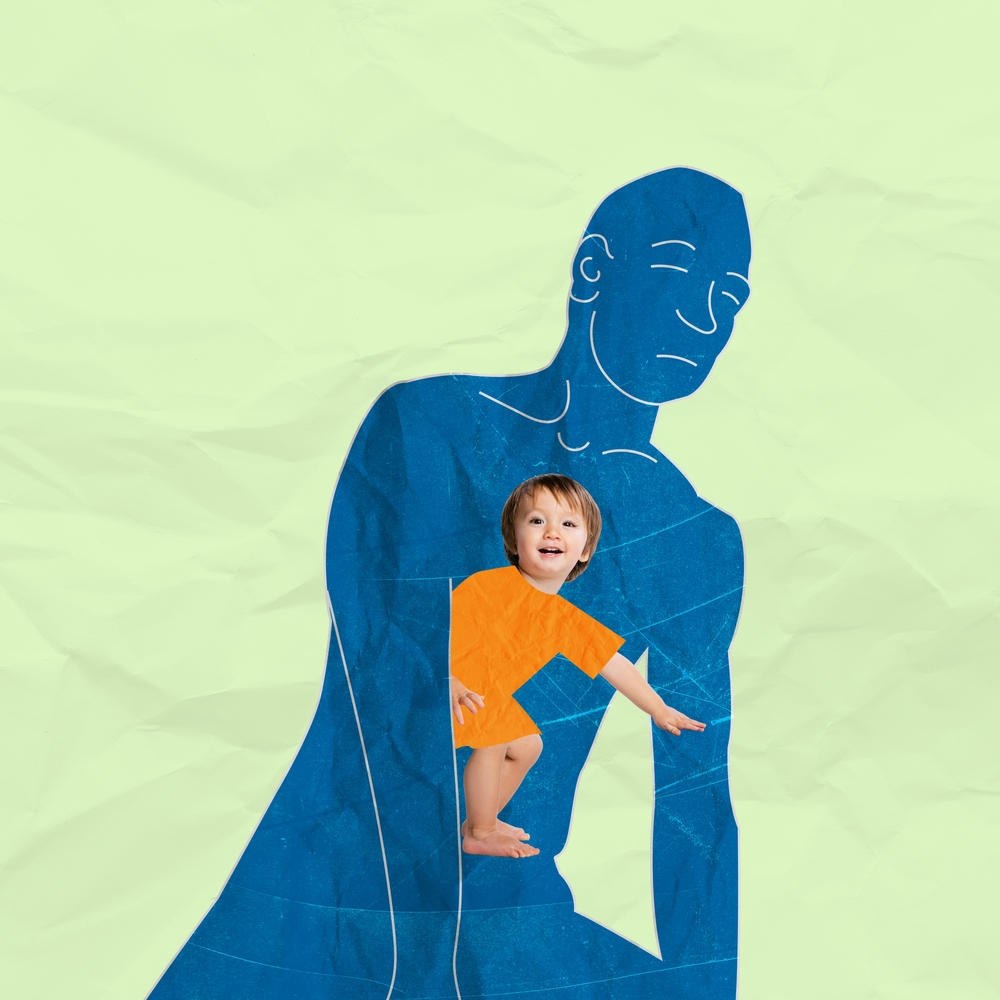
In many ways, every relationship we go into reveals how we have learned to connect. But our attachment styles do more than indicate how we manage emotional closeness and risk – they have a broad impact on our psychological wellbeing too.
While secure attachment can promote emotional resilience and greater stability, insecure attachment patterns are linked to increased stress, anxiety and depression.
“But one of its deeper lessons is that the most important secure bond we can build is with ourselves,” observed psychotherapist Jeannette Qhek, founder of the wellness space Chill by Nette, in CNA.
No matter how ingrained these behaviours are, our attachment style isn’t fixed. Awareness can help us develop a healthier approach towards relationships, and some steps we can take include:
- Going to therapy to help us parse through our past, identify our patterns, and develop helpful mechanisms for change.
- Building relationships with securely attached individuals to learn what secure attachment can look like.
- Communicating regularly and honestly with our partner to strengthen trust within the relationship while managing expectations.
Ultimately, relationship habits you perceive as “just who you are” are really just echoes of early emotional experiences. Understanding them is what can help you gain clarity, control, and the power to build sustainable, more fulfilling relationships.
External References
- Cherry, K. (2026, January 23). What Is Attachment Theory? Verywell Mind. Retrieved from: https://www.verywellmind.com/what-is-attachment-theory-2795337
- Cherry, K. (2026, April 13). 4 Attachment Styles in Relationships. Verywell Mind. Retrieved from: https://www.verywellmind.com/attachment-styles-2795344
- Cleveland Clinic. (2023, August 4). Attachment Styles. Retrieved from: https://my.clevelandclinic.org/health/articles/25170-attachment-styles
- Dagan, O., Groh, A. M., Madigan, S., & Bernard, K. (2021). A Lifespan Development Theory of Insecure Attachment and Internalizing Symptoms: Integrating Meta-Analytic Evidence via a Testable Evolutionary Mis/Match Hypothesis. Brain sciences, 11(9), 1226. Retrieved from: https://pmc.ncbi.nlm.nih.gov/articles/PMC8469853/
- Kassel, G. (2020, June 23). Attachment Theory Plays a Role in Relationships — Here’s What That Means for You. Healthline. Retrieved from: https://www.healthline.com/health/relationships/attachment-theory
- Lewis, R. (2024, December 5). Types of Attachment Styles and What They Mean. Healthline. Retrieved from: https://www.healthline.com/health/parenting/types-of-attachment
- White, L. (2023, May 16). How Attachment Styles Can Affect Relationships. Psychology Today. Retrieved from: https://www.psychologytoday.com/sg/blog/not-where-i-want-to-be-in-life/202305/how-attachment-styles-can-affect-relationships
- Yeap, A. (2025, November 7). Being single for too long can hurt, especially in the quiet moments. Here’s how to deal with the pain. CNA. Retrieved from: https://www.channelnewsasia.com/today/mental-health-matters/being-single-too-long-emotional-psychological-impact-5156936

