


A new pilot programme proves that inclusive dining for dysphagia is possible in everyday restaurants. This initiative helps Singapore’s seniors reclaim the joy of eating out.
As Singapore’s population ages, eating well is no longer just about nutrition, but about inclusion and mental wellbeing. One in seven older adults living with dysphagia, a swallowing disorder. For these individuals, dining out can trigger self-consciousness, anxiety and social isolation.


Beyond its association to the elderly, dysphagia is also linked to numerous medical conditions that can affect the nerves and muscles used for swallowing. These include Parkinson’s disease, dementia, and stroke. Dysphagia has thus become a growing challenge that affects quality of life and psychological health just as it does physical health.
The Singapore University of Social Sciences (SUSS), in collaboration with social enterprise The Project Futurus, and supported by charitable foundation The Ngee Ann Kongsi, organised the SUSS’ Dignity Dining: Age Better, Age+ Community Engagement Series.
In January, two restaurants, Imperial Treasure and 5 Senses Café, introduced texture-modified meals during a two-day pilot. This initiative challenges assumptions made about the difficulty of bringing dysphagia-friendly options into a public setting, and offers a reimagining of what inclusive dining can look like.
Dining Difficulties: The Problem With Eating Out

Food is more than fuel; it serves as a focal point where identity, culture, and social connection can intersect.
However, while Singapore’s food culture is rich, it often neglects those with swallowing difficulties. According to Ms Queenie Man, Founder and CEO of The Project Futurus, the biggest barrier to eating out for them comes down to a scarcity of suitable meal choices.
“Many caregivers want to dine out with their loved ones, but most restaurants are not equipped to prepare food that is safe for people with chewing or swallowing difficulties. In some cases, families even feel judged or unwelcome,” she remarked.
People with dysphagia and their families feel this struggle deeply. One such person is Ms Wong Ting Mei, Executive Director of non-profit organisation Society for WINGS. She also cares for her 100-year-old mother who has swallowing difficulties.
“We face challenges like limited food options and suitability with regards to food preparation, such as spice level and hardness,” she lamented. “The only option available was porridge.”
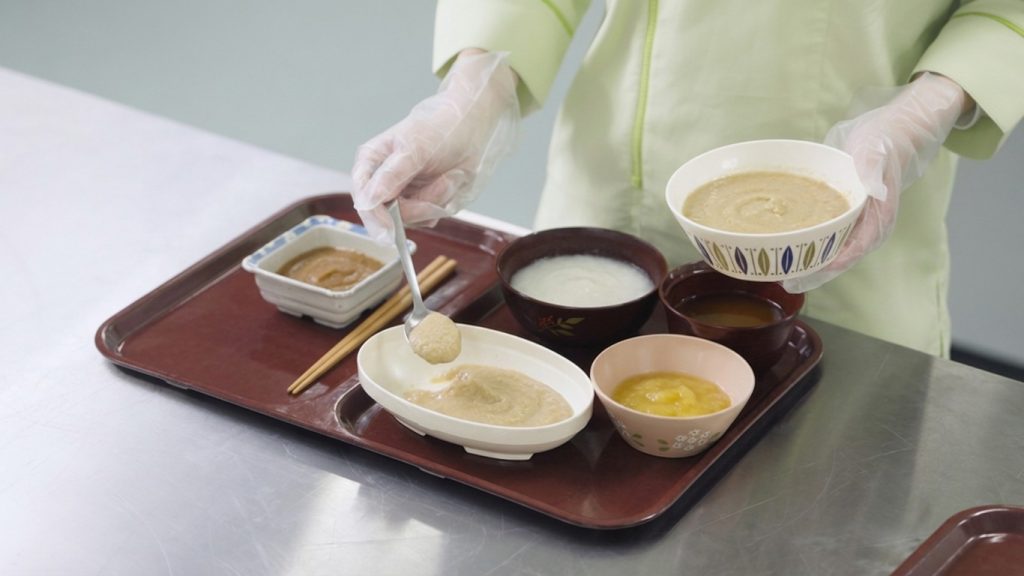
Options like porridge and pureed food can be unappealing and even less nutritious. But beyond a lack of physical sustenance, this can transform into an issue that digs deep into one’s mental wellness.
“When older adults have limited access to safe dining options, they may feel excluded from shared meals, family celebrations, or community outings,” explained Associate Professor Carol Ma, Head of Gerontology Programmes at SUSS.
The need for special arrangements to be made for their food can generate embarrassment and deplete their confidence. Some might even develop anxiety or depression resulting from a fear of choking. This often stems from a discouraging loss of their independence, said Associate Professor Ma.
Over time, this can diminish their enjoyment of foods and drinks. Such a shift reduces social participation and ultimately erodes their quality of life.
Overturning Misconceptions About Inclusive Dining
One main reason for this dearth of suitable food options can be attributed to misconceptions over what makes meals dysphagia-friendly.

“Many restaurants assume that preparing swallowing-friendly meals is difficult, complicated, or too time-consuming. In reality, many dishes already meet International Dysphagia Diet Standardisation Initiative (IDDSI) texture standards or require only minor adjustments – such as cutting food to the right size or substituting ingredients with naturally tender options,” highlighted Ms Man.
“Another challenge is building confidence, helping food operators understand that inclusive dining is not about replacing existing menus, but about thoughtfully modifying existing or expanding options so that more people can dine safely and enjoyably,” added Assoc Prof Ma.
Restaurants also had concerns regarding the functional aspects of such changes, including staff training, food presentation, and cost implications. As such, the team worked closely with the chefs to show how to create safe, enjoyable menu items. These options do not require any major overhauls to existing kitchen processes.

“Our pilot helped shift these perceptions by equipping restaurant teams with practical knowledge on swallowing health and texture modification,” Ms Man said. “This builds long-term capability for the F&B sector to better serve an ageing society.”
Scaling Up: Making Inclusive Dining a Regular Feature
As Singapore prepares itself to become a super aged society, it is important to consider what it means to age in place, including implications to health, independence, and social participation. And it can start with something as simple and significant as food accessibility.
“Dining out for the elderly is important as they can be part of family activities and not feel isolated. They also can see what is ‘going on’ around them as most of them would be confined to their homes,” said Ms Wong.
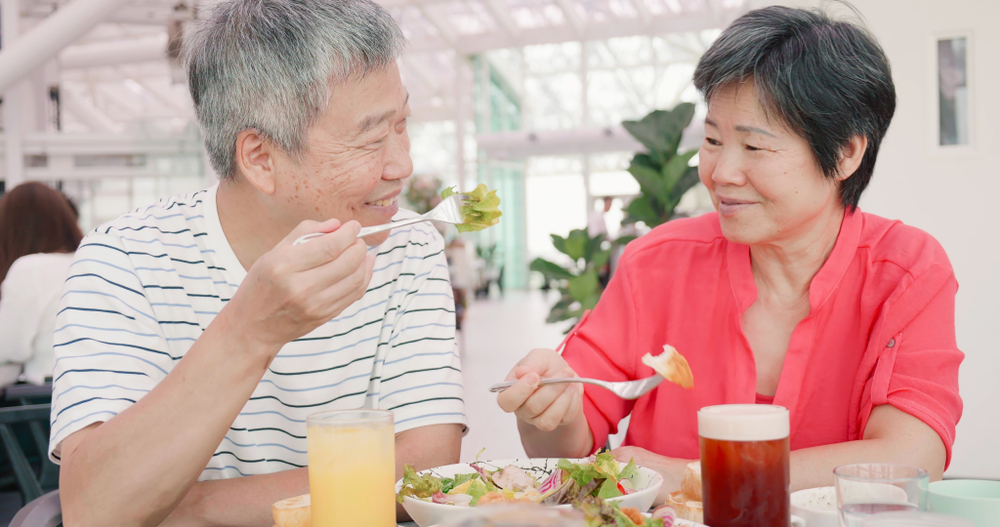
Inclusive dining supports nutrition while reducing social withdrawal. This is particularly crucial for seniors living alone, as they often eat their meals in isolation.
“In this way, shared meals act as a community-based support as well,” asserted Assoc Prof Ma.
Furthermore, it could also have an economic benefit, contributing to the growth of the silver economy, said Ms Man.
“We have seen this in Hong Kong, where ‘care food’ originally began as a welfare measure for older adults, but has now evolved into a key part of the broader silver economy policy. The shift demonstrates how inclusive dining can move beyond social support and become a driver of innovation, spending, and new market opportunities within the F&B sector.”
A Shared Table: Building a More Inclusive Singapore
But for inclusive dining to become more mainstream, collective, cross-sector effort is necessary.
“Partnerships among healthcare professionals, academic institutions, community organisations, and the food industry are essential to translate evidence-based practices into everyday dining environments,” highlighted Assoc Prof Ma.
“At the same time, food operators need access to practical training, clear guidelines, and ongoing support to implement dysphagia-friendly options without excessive cost or operational burden.”
Regardless, this initiative offers a timely model for how Singapore’s food industry can support not just nutritional health, but ameliorate mental wellbeing and quality of life, ensuring that no one has to feel excluded from the shared experience of a meal.
As Assoc Prof Ma puts it: “As a society that values inclusivity, Singapore has the opportunity to position inclusive dining not only as a public health and social good, but also as part of its identity as an age-friendly and accessible destination – benefiting both residents and visitors while showcasing how an inclusive society can be lived in everyday spaces.”
References
- HealthHub. (2021, May 25). Dysphagia. Retrieved from: https://www.healthhub.sg/health-conditions/dysphagia
- Lau, D. (2024, October 5). How Singapore is preparing for a super aged society come 2026. CNA. Retrieved from: https://www.channelnewsasia.com/today/big-read/super-aged-2026-singapore-ready-4656756
- Reddy, G., & van Dam, R. M. (2020). Food, culture, and identity in multicultural societies: Insights from Singapore. Appetite, 149, 104633. Retrieved from: https://www.sciencedirect.com/science/article/pii/S0195666319311602

