

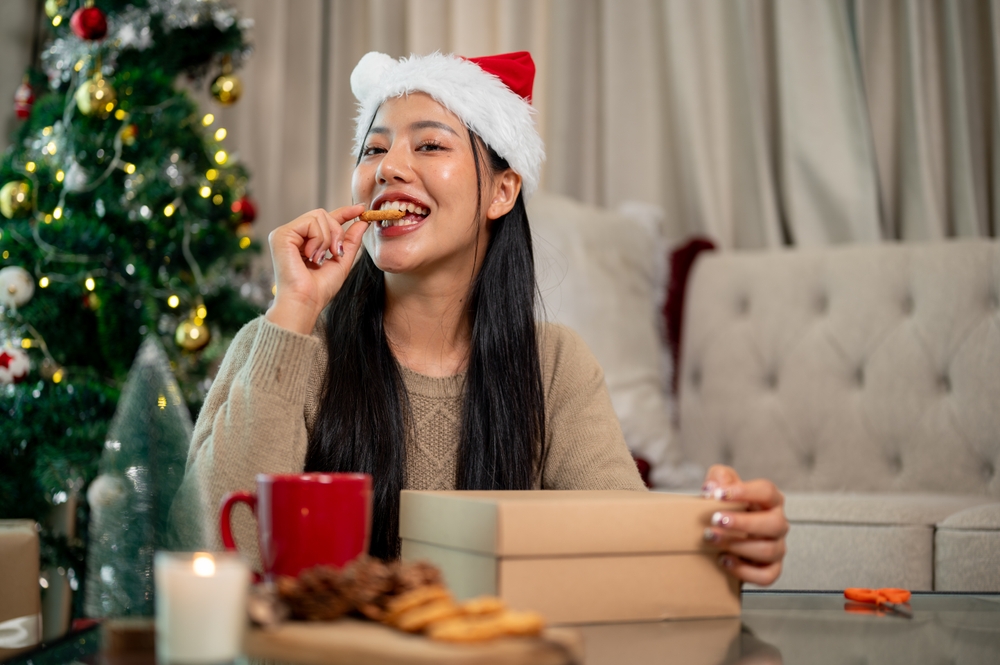
While overindulging in decadent fare is common during the festive season, it does come with a cost: a sharp spike in our blood sugar.
It’s the holidays, a time for family, adventure, and – let’s be honest – copious amounts of festive feasting. From log cakes and gingerbread cookies to roasted meats and savoury sides, these indulgences are a large part of what makes this season so enjoyable.


So it is unfortunate that a heavy holiday meal is the perfect way to send our blood sugar soaring.
The consequence?
A wave of sleepiness after dinner. A dip in mood. Difficulty concentrating. For some, especially those who already have metabolic risk factors, repeated festive overindulgence can carry longer-term consequences.
Understanding what is happening inside the body can help us make better choices, without turning the holidays into a joyless exercise in restraint.
What Happens to Blood Sugar After Meals?
Blood sugar, also known as glucose, is the main source of energy for the body.
After eating, the carbohydrates in our food are broken down into glucose, which enters the bloodstream. Normally, our blood sugar levels are regulated by insulin, a hormone released by our pancreas, which also enables our cells to absorb the glucose.
After a large, carbohydrate-heavy meal, however, glucose enters the bloodstream quickly and in large amounts. The body has to work much harder to clear it. When glucose lingers in the blood instead of being efficiently absorbed, a blood sugar spike occurs.
Blood Sugar Spikes: The Festive Edition
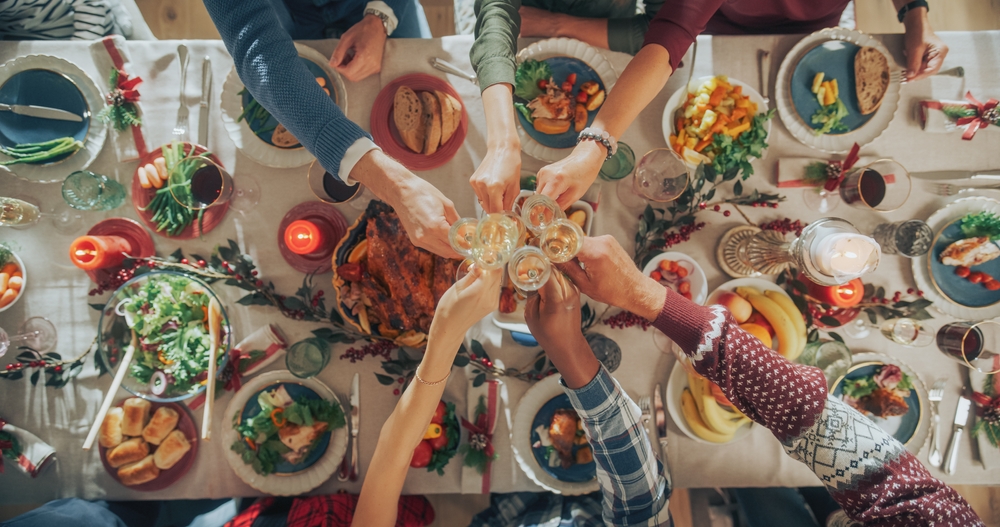
While overeating in general can cause blood sugar spikes, festive meals can have a more exuberant effect, and that is because of all the carbohydrates and sugar involved. In fact, nothing spikes our blood sugar quite like foods that are high in carbs, but low in fibre and protein.
For instance, Christmas fare includes carb-heavy dishes like the stuffing included with our turkey or chicken, mashed potatoes, and butter rolls. Adding on to the unwholesomeness of it all is how much pie, cake and cookies end up on our dinner plates during dessert.
Indulging in such decadent fare can cause our blood sugar levels to get too high very quickly, leading to a range of symptoms, including fatigue, irritability, difficulty focusing, and increased thirst.
While these effects are relatively short-term, extensive periods of overconsumption can have more adverse impacts on our long-term wellbeing.
As explained by Dr Chan Soo Ling, a consultant with the Division of Endocrinology in Ng Teng Fong General Hospital’s Department of Medicine: “[With] prolonged and repeated sugar spikes, this will lead to the accumulation of excess glucose in the liver and fat cells, especially those around the visceral organs.”
This can cause the body to develop greater insulin resistance, a condition associated with obesity, Type 2 diabetes, and other metabolic diseases.
How Long Do Blood Sugar Spikes Last?
While meal composition is an influential factor, the extent to which a blood sugar spike will last can also depend on the body’s sensitivity to insulin. In fact, diabetics will find that their blood sugar doesn’t go down as fast, and this can be attributed to how much harder the body has to work to clear out the extra glucose.
But for those who are metabolically healthy, note that while you will hit a peak within 30 to 60 minutes after your meal, your blood sugar levels can return to normal after a couple of hours or so.
Tips For Reducing the Glucose Spike During the Holidays

While the occasional spike in glucose is fine for a healthy individual, its physical, cognitive and emotional consequences can be a little antithetical to the seasonally-appropriate cheer we want to embody this month – and there is no saying that we cannot make the healthier choice even during the holidays.
So if you’d like to keep your blood sugar levels under control, here are a few tips to take up.
Eat Strategically
Try to limit your portion of carb-dense fare like rolls, mashed potatoes and stuffing. If you are going to eat your fill, start with the foods rich with fibre, protein and other nutrients, and finish the carbs last.
“Protein, fat and fibre can slow gastric emptying rate,” highlighted Dr Chan.
“If your stomach retains and processes its contents longer before they enter the intestine for the nutrients to be absorbed, it will help reduce spikes in blood sugar after a meal.”
And if you are having dessert (which of course you are), take it straight after your meal to blunt the sugar-related glucose spike.
Stay Hydrated
If you are finding it hard to control your appetite, try drinking more water. It can help fill your stomach, so you are less likely to feel the need to overeat.
In addition, water can also help flush the excess glucose out of your body, thus keeping your blood sugar levels more stable.
Enjoy a Post-Meal Walk
Engaging in some light physical activity after eating can do wonders for your blood sugar levels. Even a short 10-minute walk can have a significant impact, so be sure to get up and get moving.
The festive season is meant to be enjoyed. Managing blood sugar does not mean avoiding celebration or refusing your favourite foods. It is important to understand how your body works, and manage our blood sugar.
After all, when blood sugar is kept in check, the celebrations tend to feel better too.
Happy Holidays!
Read More
- 7 Tips To Prevent High Blood Pressure (Hypertension)
- 5 Natural Supplements to Help Manage High Blood Pressure
External References
- Cleveland Clinic. (2024, January 17). Insulin. Retrieved from: https://my.clevelandclinic.org/health/body/22601-insulin
- Cleveland Clinic. (2024, November 21). Insulin Resistance. Retrieved from: https://my.clevelandclinic.org/health/diseases/22206-insulin-resistance
- HealthXchange. (n.d.). Easy Ways to Lower Sugar Levels. Retrieved from: https://www.healthxchange.sg/how-to-manage/type-2-diabetes-mellitus/easy-ways-to-reduce-sugar-levels
- Khoo, B. K. (2024, June 3). Should you be worried about high blood sugar levels even if you’re not diabetic? CNA. Retrieved from: https://cnalifestyle.channelnewsasia.com/wellness/blood-sugar-glucose-level-diabetes-non-diabetics-391056
- Kubala, J. (2025, November 24). What Happens to Your Blood Sugar When You Eat a Full Thanksgiving Dinner? Health. Retrieved from: https://www.health.com/what-happens-to-blood-sugar-after-thanksgiving-dinner-11852918
- Poulson, B. (2025, November 24). What Happens to Your Blood Sugar When You Eat a Full Thanksgiving Meal. Verywell Health. Retrieved from: https://www.verywellhealth.com/thanksgiving-meal-and-blood-sugar-11855503
- Sullivan, K. (2025, August 6). Do You Really Have to Worry About Blood Sugar Spikes if You Don’t Have Diabetes? Health. Retrieved from: https://www.health.com/do-you-have-to-worry-about-blood-sugar-spikes-11782355
- Tolentino, K. (2025, September 2). Blood Sugar Spike Symptoms and How to Manage Them. Verywell Health. Retrieved from: https://www.verywellhealth.com/blood-sugar-spikes-5216913

