


Hearing loss in Singapore is still framed as an inevitable part of ageing. But with 500,000 affected locally, it is time we rethink hearing health as a lifelong issue, not a late-life inconvenience.
The Singapore Association for the Deaf estimates that around 500,000 people here suffer from some form of hearing loss, although conversations around hearing loss are still too often framed as an inevitable part of ageing, something that happens later in life, and something to be endured rather than addressed. This perception no longer reflects reality.


Hearing loss today affects not just seniors, but children, working adults, caregivers, and younger populations exposed to prolonged noise, digital audio devices, and urban environments. As Singapore becomes one of Asia’s fastest-ageing societies while remaining highly connected and noise-dense, hearing health can no longer be treated as a niche or secondary concern.
The Current State of Hearing Health Awareness in Singapore
Awareness of hearing loss in Singapore remains uneven. While most people understand the importance of eye checks, dental visits or cardiovascular screening, hearing assessments are rarely prioritised unless symptoms become severe.

This is concerning. Noise-induced hearing loss continues to be one of the most common occupational conditions locally, affecting workers in sectors ranging from construction and manufacturing to aviation, logistics and entertainment. At the same time, lifestyle-related risks such as prolonged use of earphones, gaming headsets and personal audio devices are increasingly affecting younger age groups.
Yet many Singaporeans still associate hearing loss with old age, or assume that mild symptoms such as ringing in the ears, difficulty following conversations in noisy environments, or frequent requests for repetition are simply “normal”.
They are not.
Common Misconceptions Around Hearing Loss and Hearing Aid Devices
One of the biggest barriers to early intervention is misconception.
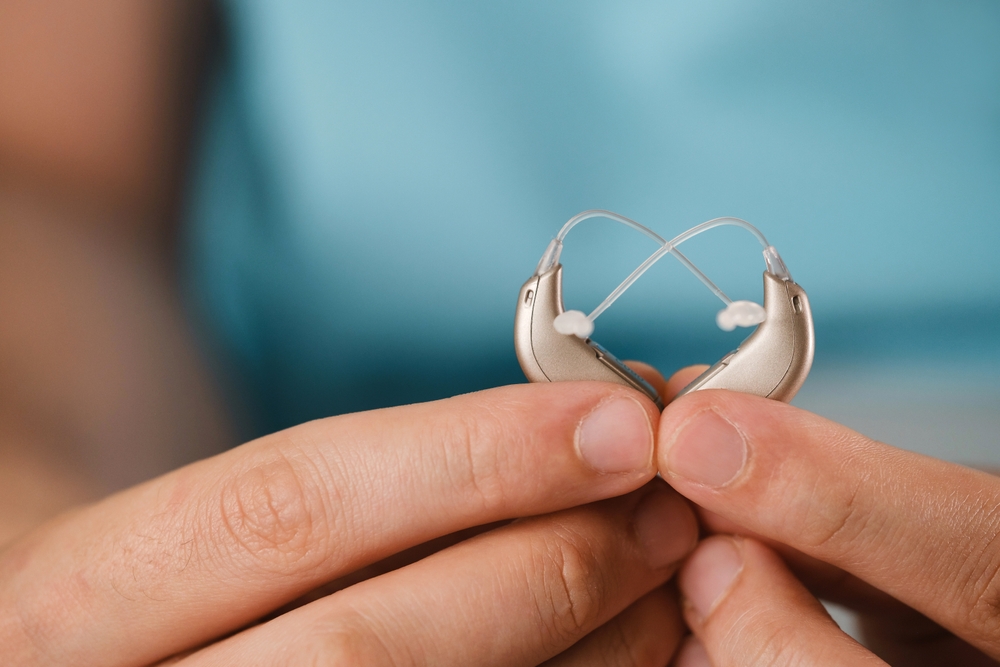
Many people believe hearing loss must be profound before help is necessary. Others assume hearing aids are bulky, uncomfortable, or signal frailty. These outdated perceptions persist despite significant advances in hearing technology.
Another common myth is that hearing loss is merely an inconvenience rather than a health issue. In reality, untreated hearing loss has been linked to social withdrawal, reduced work performance, cognitive strain, and declining mental wellbeing. For older adults, it can accelerate isolation and impact quality of life; for working adults, it can affect productivity, confidence and safety.
Why People Delay Seeking Help and the Long-Term Consequences
Delays in seeking help are often driven by stigma, denial, cost concerns, or the belief that “it’s not bad enough yet”. In Singapore’s fast-paced work culture, many adults simply adapt by turning up volumes, avoiding noisy environments, or relying on others to fill in conversational gaps.
The problem is that hearing loss is typically gradual. By the time it becomes disruptive, the brain has already adapted to reduced auditory input, making rehabilitation more challenging. Early intervention matters because the brain’s ability to process sound declines when deprived of clear auditory signals over time.
Ignoring hearing health does not pause the problem, instead, it compounds it.
How Modern Hearing Aid Devices Have Evolved
The image many people still hold of hearing aids is outdated. Today’s devices are smaller, more discreet, and far more intelligent than their predecessors.
Modern hearing aids are designed to adapt automatically to different environments, filter background noise, and enhance speech clarity. Many integrate seamlessly with smartphones, allowing users to adjust settings discreetly, take calls, or stream audio directly. Rechargeable batteries, ergonomic designs and improved comfort have also made daily use far easier.
More importantly, technology has shifted the narrative from “medical device” to “everyday assistive technology” similar to how glasses or fitness trackers are viewed today.
The Importance of Early Screening, Professional Fitting and Ongoing Care
Technology alone, however, is not enough.
Effective hearing care depends on proper screening, professional assessment and personalised fitting. Hearing loss is not one-size-fits-all, and devices must be calibrated to an individual’s specific hearing profile, lifestyle and daily environments.
Ongoing follow-up and care are equally critical. Hearing needs can change over time, and regular adjustments ensure devices continue to deliver optimal benefits. This holistic approach combining technology, professional expertise and long-term support is what leads to meaningful
outcomes. Also, bringing hearing care into open retail environments such as shopping malls helps integrate hearing health into everyday routines, supporting earlier intervention and greater public awareness.
Hearing Health as Part of Overall Wellbeing
Hearing health should be viewed in the same way we view vision, mobility or mental health: as an integral part of overall wellbeing.
For children, early detection supports learning and social development; for working adults, good hearing underpins communication, safety and confidence; for seniors and caregivers, it preserves independence, connection and quality of life.
As Singapore continues to prioritise healthy longevity, hearing health must be part of the conversation, not as an afterthought, but as a proactive investment in how we live, work and connect with one another.

