


With celebrities and social media personalities sharing their “chronic Lyme disease” stories, confusion is growing. What does the condition actually involve?
Lyme disease is one of the most common vector-borne infections in North America and Europe. Once considered rare in Asia, reported cases have increased in parts of China, Japan, Korea, and Southeast Asia, particularly as international travel, outdoor recreation, and climate shifts expand tick habitats.


For most people, Lyme disease is straightforward. It is diagnosed early, treated with antibiotics, and resolves without long-term issues. But for a smaller group, symptoms linger long after treatment ends. Fatigue, joint pain, poor concentration, and sleep disturbances persist, sometimes for months or even years.
This is where the controversy begins.
Online forums, social media, and patient advocacy groups often refer to these ongoing symptoms as “chronic Lyme disease”, a term not as readily accepted by the medical fraternity.
@doc4heart I’m Dr. Michael Richman, a double board-certified cardiothoracic surgeon and I’m breaking down why “chronic Lyme disease” isn’t a real diagnosis despite what you hear from celebrities. For more information or medical guidance you can go to my website at www.paladinmds.com. #lymedisease #lyme #chroniclyme ##celebritynews##HealthFacts ♬ original sound – Michael Richman MD, MMM, FACS
The disagreement has fuelled confusion, frustration, and heated debate, especially among patients who feel dismissed or misunderstood.
So what is Lyme disease, what actually happens after treatment, and why is the term “chronic Lyme disease” so contentious?
What Is Lyme Disease?
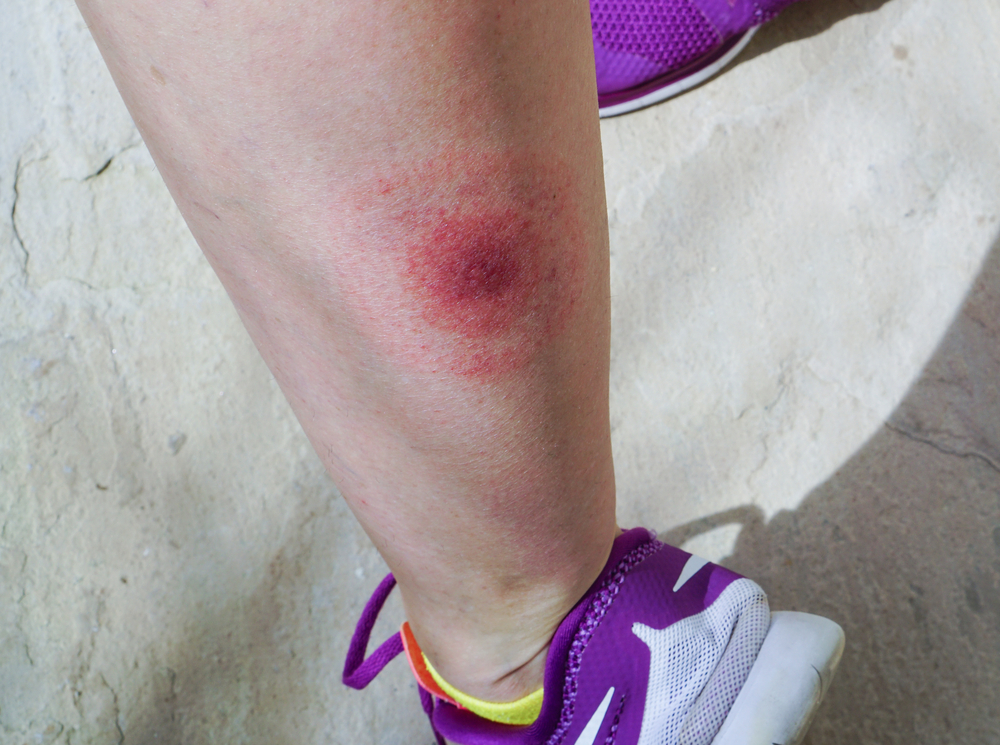
Lyme disease begins when a tick infected with the bacterium Borrelia burgdorferi bites a person. This species of tick is most common in Western countries but is gradually appearing in some regions in Asia.
Ticks often acquire the bacteria from animals such as deer or rodents. When an infected tick bites a human, it can pass the bacteria into the bloodstream.
Timing matters. If an infected tick is removed within 24 hours, the risk of Lyme disease drops significantly. The longer the tick remains attached, the higher the chance that bacteria enter the bloodstream.
What Are the Signs of Lyme Disease?
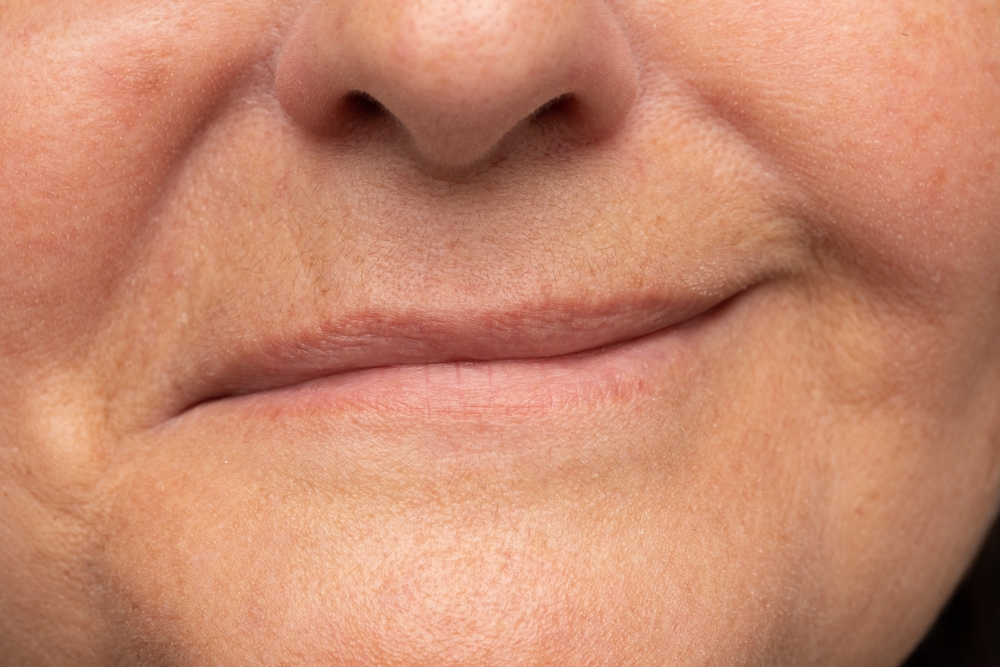
Untreated Lyme disease can lead to facial muscles paralysis.
Lyme disease develops in stages if left untreated, and the signs may vary as it progresses:
In the early stage, symptoms resemble a viral illness. This may include:
- Bull’s eye rash
- Fever
- Fatigue
- Headaches
- Muscle and joint pain
- Swollen lymph nodes
As the infection progresses, more serious symptoms can emerge:
- Rash appearing on multiple areas
- Numbness or tingling sensations
- Heart palpitations
- Facial palsy (Paralysis of facial muscles)
- Neck pain or stiffness
In later stages, untreated Lyme disease can affect the nervous system and joints:
- Nerve damage
- Pain in large joints (e.g., knees)
- Changes in mood and thinking
Complications of Untreated Lyme Disease
Without treatment, Lyme disease can lead to serious complications:
- Lyme carditis (Abnormal heart rhythm caused by Lyme disease)
- Meningitis (inflammation of the tissue covering the brain and spinal cord)
- Encephalopathy (bacterial infection in the brain and spinal cord)
- Arthritis (Pain and swelling on the joints)
Prompt diagnosis and treatment significantly reduce these risks, which is why early medical attention after a tick bite is important.
How Is Lyme Disease Treated?
Lyme disease can usually be treated successfully with two- to four-week course of oral antibiotics such as doxycycline or amoxicillin.
However, a subset of people may continue to experience fatigue, body aches and difficulty focusing even after successful treatment. Importantly, these symptoms can occur even when laboratory tests show no ongoing infection.
In many cases, these symptoms often improve gradually over several months without the need for prolonged antibiotic use.
The Confusion Around the Term “Chronic Lyme Disease”
The term “chronic Lyme disease” is used widely but often misunderstood. “Chronic Lyme disease” often refers to the long-term fatigue, body aches, brain fog, and sleep problems after Lyme disease is treated.
The CDC discourages the term as it may lead people to believe that the lingering symptoms are caused by an ongoing infection, even though the exact cause is not known. Instead, the preferred term is Post-Treatment Lyme Disease Syndrome (PTLDS). PTLDS describes persistent symptoms following appropriate treatment for Lyme disease.
The cause of PTLDS remains unclear. Researchers are exploring possibilities such as immune system dysregulation, residual tissue damage, nervous system changes, or altered inflammatory responses.
As PTLDS involve long-term symptoms that may overlap with other conditions, it can be confused with:
- Long COVID
- Fibromyalgia
- Autoimmune disorders
- Chronic fatigue syndrome
Hence, the term “chronic Lyme disease” is sometimes used as an umbrella term for the overlapping conditions, leading to more confusion.
Because these conditions share similar features such as fatigue, pain, and brain fog, some patients are told they have “chronic Lyme disease” even when Lyme infection cannot be confirmed. This umbrella use of the term has fuelled misinformation and sometimes leads patients toward unproven or risky treatments.
Key Takeaway
What is often called “chronic Lyme disease” is more accurately referred to as post-treatment Lyme disease syndrome (PTLDS).
While the terminology is debated, the suffering is real. People with PTLDS often struggle with daily functioning, work performance, and emotional wellbeing. Many feel caught between online communities that validate their symptoms and medical systems that exercise caution.
The best approach to Lyme disease is prevention. Tips to protect yourself from tick bites:
- Use insect repellent
- Wear long-sleeved shirts and long pants
- Avoid open-toed shoes
- Wear light-coloured clothes to help spot ticks more easily
- Check pets for ticks after outdoor activities
- Avoid tick-infested areas such as tall grassy areas
If you suspect a tick bite or develop symptoms after outdoor exposure, seek medical attention promptly.
References
- Lyme disease. Cleveland Clinic. Updated: 27 October 2025. https://my.clevelandclinic.org/health/diseases/11586-lyme-disease#what-is-lyme-disease
- Lyme Disease in Asia: Understanding The Under-Reported Threat. Medical Channel Asia. Updated: 16 January 2024. https://medicalchannelasia.com/medical-investigations/lyme-disease-cases-in-asia-understanding-the-under-reported-threat/
- Mayo Clinic. Updated: 10 February 2023. https://www.mayoclinic.org/diseases-conditions/lyme-disease/symptoms-causes/syc-20374651
- Lyme Disease. Heathline. Updated: 9 July 2025. https://www.healthline.com/health/lyme-disease
- Chronic Symptoms and Lyme Disease. U.S. Centers for Disease Control and Prevention. Updated: 31 January 2025. https://www.cdc.gov/lyme/signs-symptoms/chronic-symptoms-and-lyme-disease.html
- Blood Test Reveals Long COVID Biomarker. Medical Channel Asia. Updated: 27 September 2023. https://medicalchannelasia.com/respiratory/blood-test-reveals-long-covid-biomarkers/
- Fibromyalgia: The Underdiagnosed Danger. Medical Channel Asia. Updated: 4 April 2023. https://medicalchannelasia.com/endocrine/fibromyalgia-the-under-diagnosed-danger/
- Dersch, R., Torbahn, G., & Rauer, S. (2024). Treatment of post-treatment Lyme disease symptoms-a systematic review. European journal of neurology, 31(7), e16293. https://doi.org/10.1111/ene.16293

