

The liver is famously resilient, but its healing ability has boundaries.
Why does the liver get so much attention in health conversations?


Partly because it is one of the only organs in the human body with the ability to regenerate. The idea that the liver can heal itself feels almost mythical – and in some ways, it is. But this extraordinary ability comes with conditions, limits, and caveats.
For many people in Singapore and across Asia, liver conditions such as fatty liver disease, viral hepatitis, or alcohol-related injury are surprisingly common. Yet the early stages are often silent. Abnormal liver readings on a routine health check may be the first sign that something is not right.
Let’s understand the liver better today!
Understanding Your Liver Readings
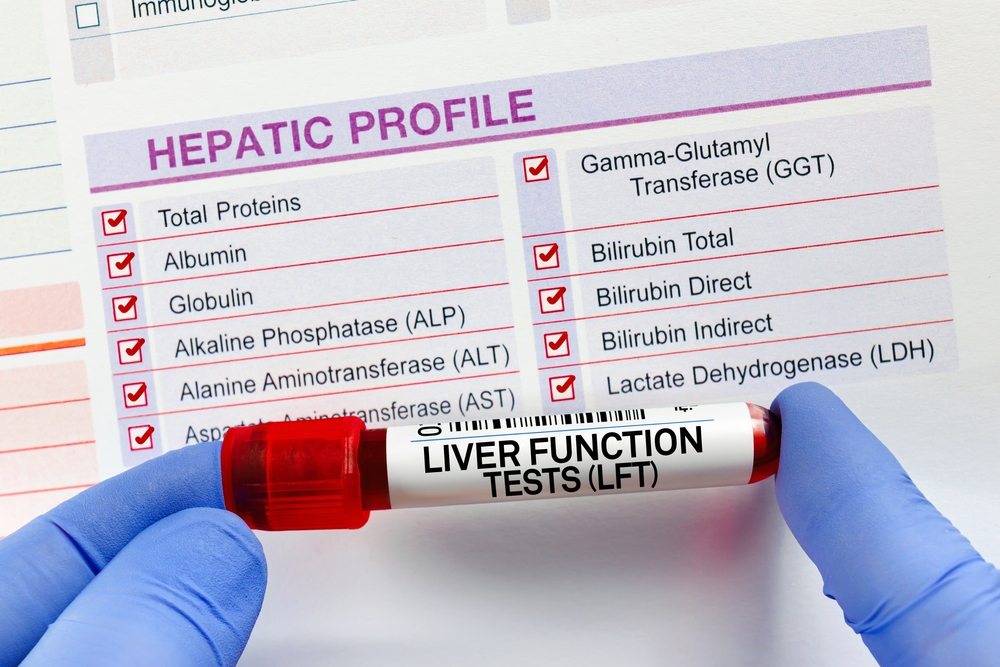
Liver function tests (LFTs) are blood tests used to assess liver health.
The tests include:
| Type of test | Description |
| ALT (Alanine transaminase) | Liver enzymes that convert proteins into energy for the liver cells. |
| AST (Aspartate transaminase) | Liver enzymes that help the body break down proteins called amino acids.
|
| ALP (Alkaline phosphatase) | Enzymes in the liver and bones that help break down proteins. |
| GGT (Gamma-glutamyl transferase) | A non-specific enzyme in the blood. |
| Bilirubin | Substances produced from the breakdown of red blood cells that will be processed by the liver.
|
| Albumin and total proteins | Proteins made in the liver to perform body functions. |
| Prothrombin time (PT) | Time taken for the blood to clot. |
Patients often assume abnormal results mean permanent damage, but in many cases, many reversible conditions may temporarily elevate the values.
Some abnormal values may indicate:
- High ALT/AST levels often indicate liver cell inflammation or injury.
- High GGT level may suggest bile duct issues.
- Low albumin or abnormal PT can signal more advanced liver damage.
What Are Some Common Liver Conditions?
Non-Alcoholic Fatty Liver Disease (NAFLD)
NAFLD occurs when fat accumulates in the liver and is often linked to metabolic issues such as insulin resistance or obesity. These trends are increasingly common in South East Asia.
If untreated, it may lead to inflammation and scarring which makes healing harder.
Alcohol-Associated Liver Disease (ALD)
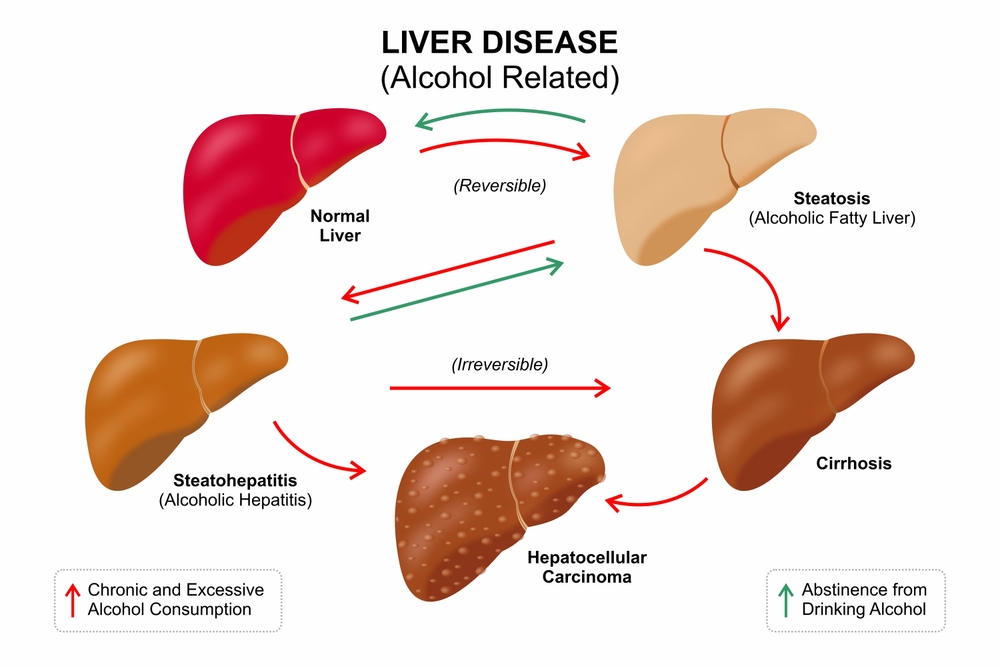
Unlike NAFLD, alcohol-associated liver disease is caused by excessive alcohol consumption. Persistent drinking leads to fat build up and inflammation (alcoholic hepatitis).
Long-standing inflammation can eventually lead to cirrhosis, which is usually irreversible. However, early-stage fat changes and mild inflammation can improve with complete alcohol cessation.
Hepatitis
Hepatitis refers to liver inflammation. It can be divided into several types.
Viral hepatitis (A, B, C, D and E) is caused by viral infections. Each differs in how they spread and the severity of illness.
Meanwhile, autoimmune hepatitis occurs when the immune system attacks liver cells.
Untreated hepatitis can cause chronic inflammation and scarring.
Other Causes of Liver Injury
Liver damage can also result from:
- Drug-induced liver injury that happens from overdose of medication like paracetamol, or use of certain herbal supplements.
- Bile duct diseases which cause inflammation and bile build up, eventually harming the liver.
Can the Liver Really Regenerate?
The liver doesn’t “grow back” in the same way as the skin. Instead, it regenerates through a cellular process. However, liver regeneration requires the overall structure of the organ to remain intact.
Unlike the skin, where turnover is high and regeneration relies on a pool of stem cells, the liver regenerates more slowly using the existing mature liver cells (hepatocytes).
The liver regeneration is divided into three phases:
- Phase 1: In this priming phase, the liver cells prepare to respond to growth factors. More than 100 genes are activated during this stage.
- Phase 2: Growth factor receptors become activated, prompting the liver cells to multiply.
- Phase 3: The final phase is when the liver cells stop proliferating.
When Can the Liver Self-Heal?
The liver can often regenerate if:
- The damage is mild to moderate.
- Scarring is minimal or in early stages of the disease.
- The underlying cause of injury is removed.
- Blood flow to the liver remains normal.
- The individual is healthy (no toxins exposure and body has sufficient nutrition).
When the Liver Cannot Heal Itself?
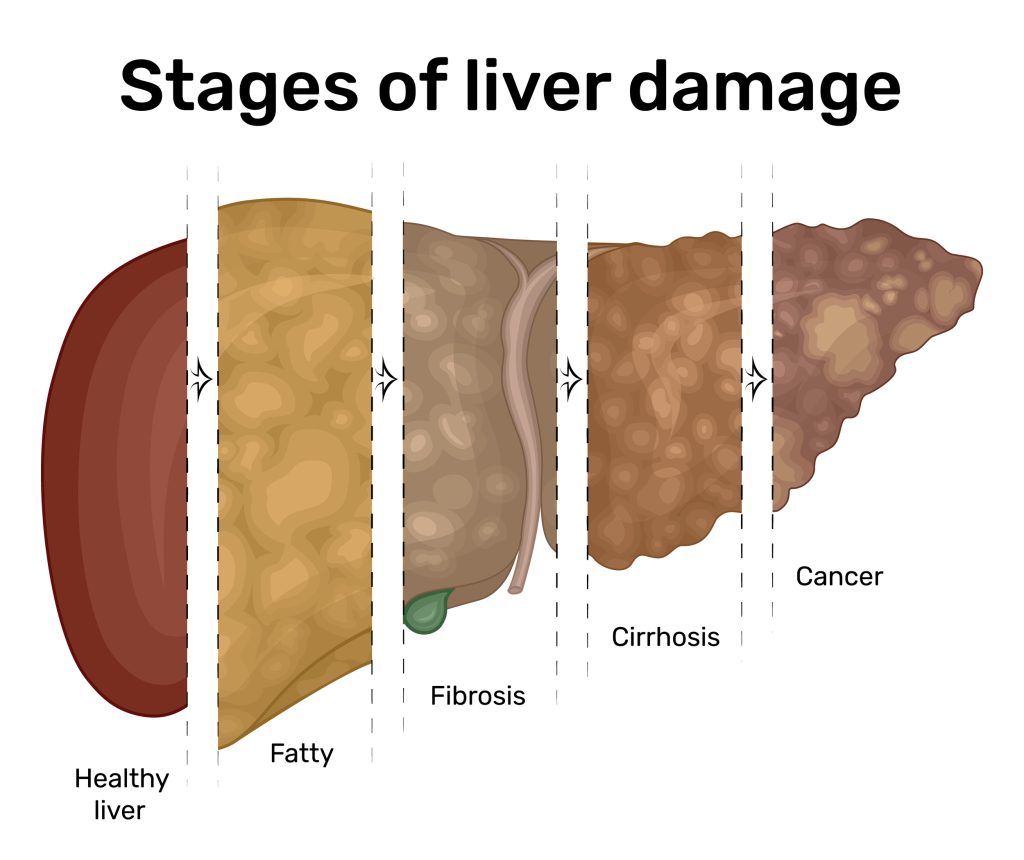
The liver may lose its ability to regenerate significantly in these conditions:
Advanced Fibrosis
Fibrosis occurs when scar tissues begin to replace healthy cells. After injury, liver cells initiate wound healing. During the process, excess proteins and collagen may build up in the liver, forming scar tissues.
Fibrosis is typically caused by conditions including NAFLD, alcoholic liver disease and hepatitis.
Cirrhosis
Liver cirrhosis is the late stage of chronic liver disease.
Scar tissues build up, blocking blood and oxygen from reaching the liver cells. This reduces the liver’s ability to filter toxins, process nutrients, produce essential proteins and bile.
In cirrhosis, the liver cells die and can no longer multiply. Cirrhosis is considered a permanent damage, as the liver can no longer fully regenerate.
Continuous Damage
Even a strong liver cannot heal if the injury continues, such as:
- Ongoing heavy alcohol use
- Persistent viral hepatitis without treatment
- Chronic exposure to toxins or harmful medications
- Untreated autoimmune disease
Your Liver is a Superhero
Yes, the liver can heal itself in many situations. It is remarkably resilient, working tirelessly — filtering toxins, producing bile, regulating metabolism, and repairing itself when injured. But it cannot do this alone.
Tips to care for your liver:
- Avoid alcohol (especially if you already have liver disease).
- Eat a balanced, minimally processed diet.
- Avoid unnecessary supplements or medications.
- Follow treatment plans for existing liver conditions
Early detection and eliminating the cause of injury are the key to giving your liver the best chance of recovery.
External References
- Liver Function Tests. Mayo Clinic. Updated: 18 January 2025. https://www.mayoclinic.org/tests-procedures/liver-function-tests/about/pac-20394595
- Alcohol-Associated Liver Disease. Cleveland Clinic. Updated: 28 August 2025. https://my.clevelandclinic.org/health/diseases/alcohol-associated-liver-disease
- Hepatitis. World Health Organisation. Updated: https://www.who.int/health-topics/hepatitis
- Helene Gilgenkrantz. Understanding Liver Regeneration: From Mechanisms to Regenerative Medicine. The American Journal of Pathology. 2018: 188(6). https://www.sciencedirect.com/science/article/pii/S000294401731026X
- Liver Fibrosis. Healthline. Updated: 22 January 2023. https://www.healthline.com/health/liver-fibrosis#symptoms
- Cirrhosis of the Liver. Cleveland Clinic. Updated: 18 July 2025. https://my.clevelandclinic.org/health/diseases/15572-cirrhosis-of-the-liver

