


Andropause is a biological transition that signals the next stage of manhood, and it comes with its own unique rhythms and challenges.
Midlife is a stage that can really sneak up on you. One day you are full of vitality, and the next you are wondering why you are tired all the time, why your workouts don’t hit the way they used to, and why you have even become less interested in sex.


If you are just not feeling yourself, you’re not imagining it. Often, it’s just a sign that your body is changing, and one big reason for it could be andropause.
Andropause: “Menopause for Men”
Andropause is often referred to as male menopause, but it should be noted that the two are not the same. While it is true that menopause can be experienced by both genders in their forties and fifties, the way it impacts one’s body is very different, specifically in regards to the hormonal changes that occur.
For women, the menopausal stage represents a rather expeditious drop in the production of the hormones oestrogen and progesterone, and marks the end of their childbearing years.
In men, the process is slower and far less predictable. Testosterone levels gradually decline with age, typically by about 1% each year from mid-adulthood onwards. Because this drop happens over decades rather than months, symptoms can be subtle, inconsistent, and difficult to understand.
Even though the decline is gradual, it is important to note that approximately 40% of men over the age of 45 and 50% of men in their 80s experience low testosterone levels!
Testosterone plays a key role in many bodily functions, including muscle strength, sexual desire, energy levels, and mood regulation. When levels fall, the effects may be physical, psychological, or both.
Symptoms of Low Testosterone
Some of its most common symptoms include:
- Decreased Libido: This is the most recognised sign of andropause, with many men reporting reduced satisfaction from sexual activity, and erectile dysfunction.
- Lower Energy Levels: Fatigue is a common issue of a decline in testosterone levels, due to its role in supporting energy production and cognitive function.
- Mood Changes: Testosterone also influences mental wellbeing, with men going through andropause often experiencing greater irritability, mood swings, and even depression.
- Reduced Muscle Mass and Strength: You may notice a decrease in muscle mass, which can be accompanied by an increase in body fat.
- Other Symptoms: Hot flashes and night sweats can become a more regular issue, and you may also develop sleep problems like insomnia.
Why Andropause Is Not Always Easy to Diagnose
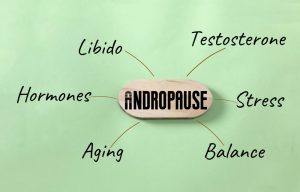
With your testosterone levels dropping so gradually, it can take a very long time before you even notice any symptoms. In fact, it is possible that you won’t experience any of the symptoms at all.
Just to add to the confusion, the signs of lower testosterone production can also be a little indistinct, seeing as they can apply to other conditions as well.
Dr Ronny Tan, a urologist at Advanced Urology shares: “Testosterone deficiency is also associated with metabolic syndrome (refers to a cluster of conditions that occur together, such as high blood pressure, high cholesterol levels and diabetes), which generally have no specific symptoms.”
Moreover, the subtle symptoms listed may not even necessarily be due to the reduction in testosterone production – which is part of the reason why discussions around the concept of andropause can be somewhat controversial.
Other root causes includes:
- Lifestyle Factors
While unstable moods and a decreased motivation for sex or other interests could be the result of andropause, they might also just be the consequences of a lack of sleep and exercise, and an unbalanced diet.
- Mental Health Factors
If you have been experiencing chronic stress, it means your body has heightened levels of the stress hormone cortisol, and this can adversely affect the production of other hormones, including testosterone.
And in the case of depression, you may experience the related symptoms of andropause even without the fall in testosterone.
- Health Conditions
Testosterone levels can also be impacted by certain medical conditions, including uncontrolled diabetes, autoimmune disorders or HIV/AIDs.
- Medications
Certain medications can interfere with the production of testosterone, and exacerbate the symptoms of andropause. This includes opioids, corticosteroids, and even anti-anxiety medication like benzodiazepines.
And if you have undergone treatments for cancer, chemotherapy and radiation therapy could also be the cause of any drastic decline in testosterone.
Thriving Through Andropause

Since the symptoms of andropause can overlap with other conditions, it is important for you to consult a doctor for an accurate diagnosis.
“Men who are concerned about testosterone deficiency should not self-medicate but seek medical attention,” advised Dr Tan. A trained medical professional would be able to screen for testosterone deficiency via a simple blood test, and also speak with you to understand your symptoms and concerns.
For many men, proactive lifestyle changes can significantly improve symptoms. Regular exercise, particularly resistance training, helps maintain muscle mass and supports hormonal balance. A nutritious diet, adequate sleep, and effective stress management also play important roles.
When appropriate, testosterone replacement therapy may be considered. This can take several forms, including topical gels applied to the skin, oral medications, or injectable formulations. Each option has different benefits, risks, and suitability depending on an individual’s health profile, symptoms, and testosterone levels – seeking medical advice is the first step.
A Natural Transition
Andropause is not a disease. It is a natural part of ageing for some men – but that also means you do not have to live with the symptoms.
Understanding what is happening in your body allows you to respond proactively rather than reactively. With the right support, midlife does not have to signal decline. For many men, it becomes a period of reassessment, renewed focus on health, and a different kind of strength.
It is not the end of vitality. It is simply the beginning of a new chapter.
Read More
- What is Movember? Raising Awareness for Men’s Health This November
- Men’s Health FAQs: Answers to Questions You’re Too Afraid to Ask
External References
- ATA Medical. (2024, December 23). What Is Andropause? Retrieved from: https://healthscreening.sg/andropause
- Cleveland Clinic. (2022, September 1). Testosterone. Retrieved from: https://my.clevelandclinic.org/health/articles/24101-testosterone
- Gurarie, M. (2025, October 9). Male Menopause: Overview and More. Verywell Health. Retrieved from: https://www.verywellhealth.com/male-menopause-5190827
- Khoo, B. K. (2021, February 3). Guys, there’s a male version of menopause – and it could begin in your 40s. CNA. Retrieved from: https://cnalifestyle.channelnewsasia.com/wellness/andropause-testosterone-erectile-dysfunction-libido-man-boobs-183451
- Krans, B. (2023, April 13). What Is Male Menopause? Healthline. Retrieved from: https://www.healthline.com/health/menopause/male
- Lim, J. M. (2023, June 27). Male Menopause: Is it a Thing? Mount Elizabeth Hospitals. Retrieved from: https://www.mountelizabeth.com.sg/health-plus/article/what-is-male-menopause
- Mayo Clini Staff. (2025, March 26). Male menopause: Myth or reality? Mayo Clinic. Retrieved from: https://www.mayoclinic.org/healthy-lifestyle/mens-health/in-depth/male-menopause/art-20048056
- Singh P. (2013). Andropause: Current concepts. Indian Journal of Endocrinology and Metabolism, 17(Suppl 3), S621–S629. Retrieved from: https://pmc.ncbi.nlm.nih.gov/articles/PMC4046605/
- Cohen, J., Nassau, D. E., Patel, P., & Ramasamy, R. (2020). Low Testosterone in Adolescents & Young Adults. Frontiers in endocrinology, 10, 916. https://doi.org/10.3389/fendo.2019.00916

