

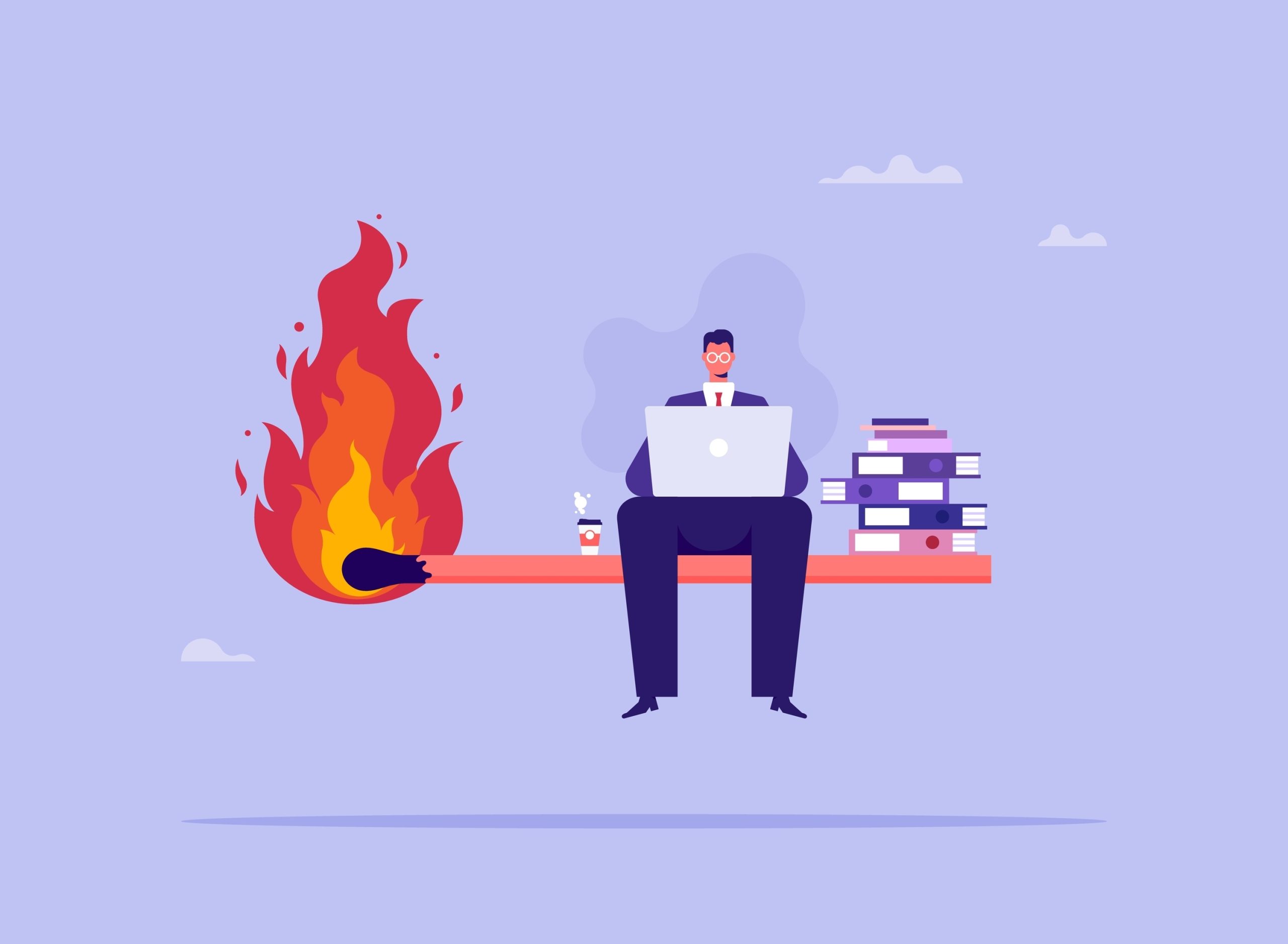
Stress is a natural response to ongoing demands – but when it becomes constant and unresolved, it can lead to a state of deep exhaustion. Understanding the signs of burnout is the first step toward reclaiming your mental well-being and disconnection.
Ah, stress – we love to hate it.


It is a distinctively common feature of working – and even schooling – life. We often regale to our nearest and dearest (and sometimes, to just anyone who will listen) about how work is overwhelming, or how our boss is overbearing, or how our colleagues have been shirking responsibility.
While these real-world issues can internally manifest as mental jabs to the brain, the thing about stress that is often overlooked is that it can be good for us.
Stress is that little push we need to finally complete a task we have not been looking forward to. It can even drive us to do our best in the face of challenges. This stress can be the reason we did an amazing job at that presentation, or got that coveted promotion.
But does this mean we always want to be stressed? Obviously, no.
As invigorating as those mental jabs can be on occasion, so can they become a detriment to our life and health – especially when we have been experiencing them too long. With April being Stress Awareness Month, it might be a good time to review your psyche. Are your stress levels at an acceptable low to medium? Or are they so high they are putting you on the verge of burnout?
What Stress Does to the Body
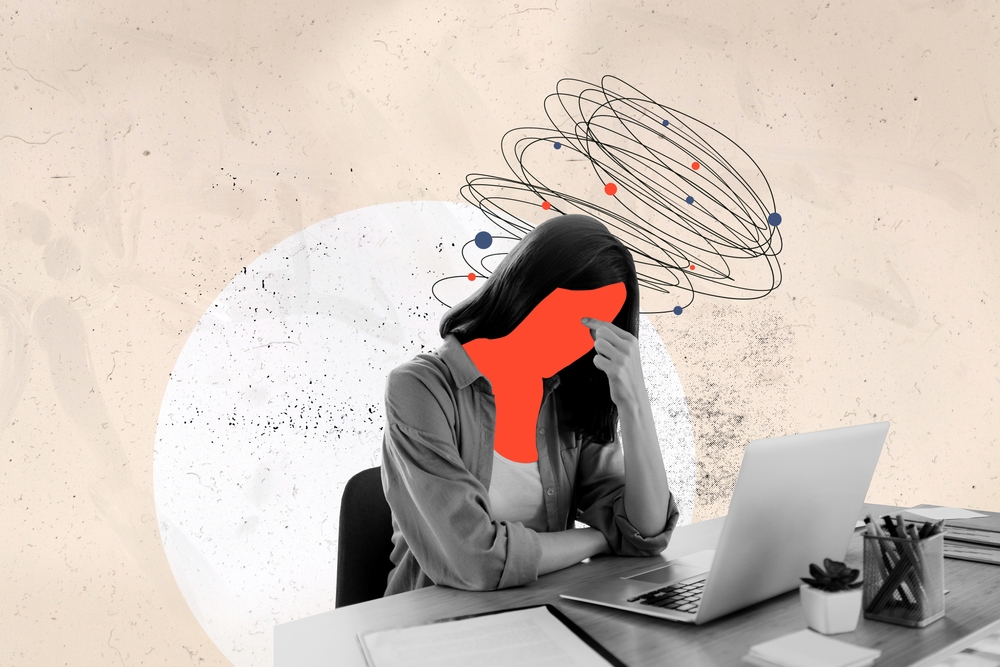
Stressful situations can bring on a variety of symptoms, including:
- Headaches or migraines
- Muscle tension
- Stomach pains
- Difficulties concentrating
- Irritability
- Insomnia
- Anxiety or depression
This is because they do more than just make you feel pressured. Such situations can evoke the fight-flight-or-freeze response, an automatic survival mechanism.
“Stress is our body’s natural response to environmental threats, things that we perceive to be dangerous,” said Dr Tay Kai Hong, a psychiatrist and Medical Director of Private Space Medical. “Imagine running along a path, and then an animal charges towards you. It causes our body to produce stress chemicals to prepare our body to protect ourselves.”
In this modern, metropolitan day and age, our version of a dangerous animal could be a big client meeting, or a tall stack of assignments just waiting to strike. Either way, if stress is being activated, then our body is triggered into releasing the following hormones:
- Adrenaline, which increases our heartrate and blood pressure, and gives us a burst of energy.
- Cortisol, which helps us sustain this energy by redirecting it from other parts of the brain.
In small amounts, this response can yield fruitful results. But what if you experience constant stress over a long period of time? Considering the human body was not built to be forced into a chronic state of energised alertness, it means it will eventually take a toll.
When We Hit Burnout
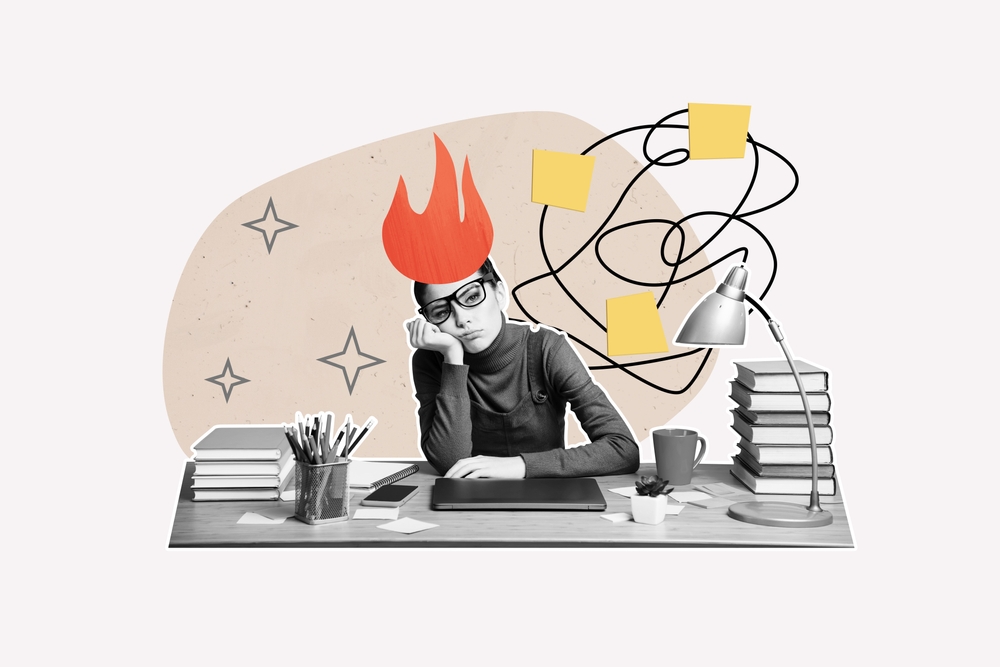
When stress goes unmanaged for too long, that is when it can cross the line into burnout.
Burnout is a state of prolonged and excessive stress that leaves us feeling physically, mentally, and emotionally exhausted. Maybe it is caused by unrealistic workloads or deadlines, limited recognition, or a complete lack of a work-life balance. Whatever it is, having burnout means that we are beyond the point of being overwhelmed – instead, we have completely disengaged.
The signs can grow in subtle ways, and include:
- Feeling tired all the time
- A change in sleep or eating habits
- A significantly greater struggle with completing tasks
- A lack of enthusiasm or motivation
- A sense of failure or self-doubt
- Feeling detached or cynical
One of the most worrying aspects of burnout is how it can affect the sense of self. The fatigue and disinterest can make us emotionally numb, limit our curiosity and creativity, and even cause us to pull away from our social circles. We end up becoming disconnected from the person we used to be.
So how can we turn things around?
Turning Down the Heat
Luckily for us, stress is manageable, and it is best to deal with it before it escalates.
Some simple stress management techniques involve building healthy lifestyle routines that also happen to boost mental resilience, such as getting at least 7 hours of sleep every night, exercising regularly, and maintaining a balanced diet. In particular, mindfulness practices, including meditation and yoga, can be effective in easing stress and improving mental health outcomes.
If you are trying to recover from burnout, it is time to re-evaluate your workload and expectations, and prioritise rest and other forms of self-care. And remember that you do not have to deal with it alone – seek support, whether that is from a trusted colleague or supervisor, a friend, or a mental health professional.
Importantly, if it is difficult for you to achieve a direct balance between work and life, try minimising stress by adopting work-life harmony instead. Unlike work-life balance, which tries to determine equality between these two factors, harmony is a flexible approach that acknowledges how dynamic life can be. Rather than equality, it aims for alignment and sustainability, and your schedule shifts based on your priorities. This can look like taking a break in the middle of the workday, when appropriate, to workout, have lunch with your family, or even just zen out.
Keep in mind that though stress is a normal part of life, it should not define your everyday experience, and you deserve to slow down when you need to.
So take the opportunity this month to check in with yourself. Not just your deadlines, or your to-do list – but how you actually feel.
Read more:
Why Are Singaporeans So Stressed, Depressed, and Anxious?
Finding Balance Amidst Stress: Insights from a Psychiatrist and Pharmacist

