

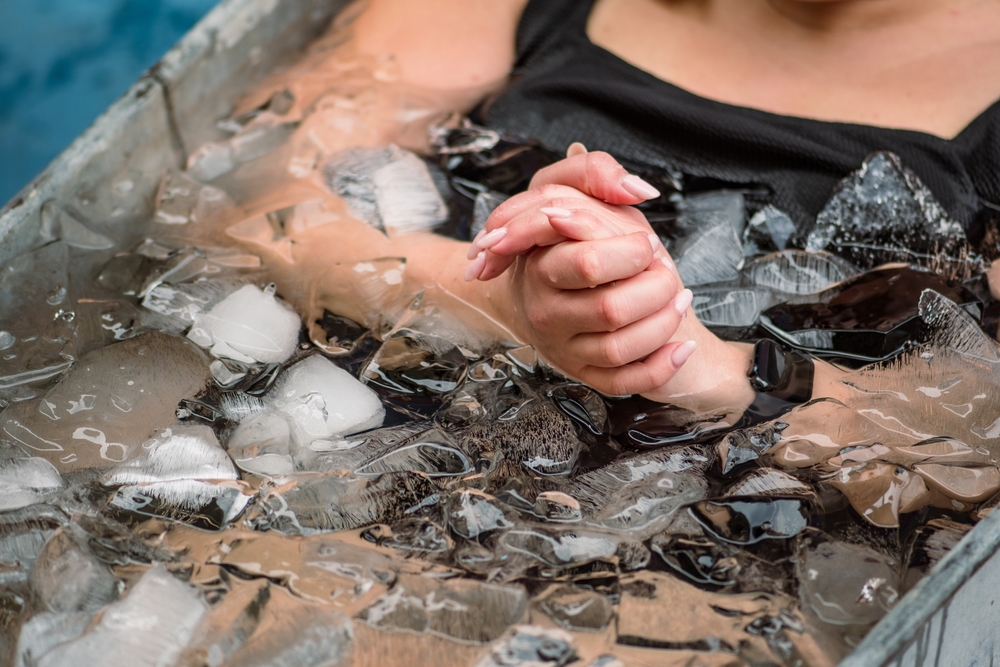
Cold plunges promise muscle recovery, mental clarity, and immunity boosts – but how much of it is backed by science, and who should avoid them entirely?
If the idea of dipping your feet into freezing waters makes you flinch, then you are not alone. And yet, despite the shock factor, cold plunging has become one of the more popular wellness trends in recent years.


Whether it is diving into icy lakes, or braving the arctic reservoir of your own bathtub, fans are swearing by the benefits of this practice, which range from muscle recovery and improved immune function to enhanced focus and better sleep.
But as with any wellness trend, the core question remains: Does it work?
What is the Cold Plunge?
The cold plunge is an old practice that involves immersing the body in cold water, typically at temperatures ranging 10 to 15 degrees Celsius or colder. It gained greater global renown in 2020, and is particularly lauded by athletes and biohackers.
The goal is to expose the body to chilly temperatures in a controlled environment. Supposedly, the shock of cold water stimulates various physiological processes, which might offer a variety of health benefits.
Eases Sore Muscles
Submerging into icy waters can help reduce muscle soreness, which might explain its popularity among athletes. The cold water narrows the blood vessels, slowing the flow of blood and thus reducing inflammation and swelling in the muscles, and this can be soothing after an intense workout.
Lowers Body Temperature
Overheating, or hyperthermia, occurs when the body’s temperature is elevated to dangerous levels, and can be a common issue among athletes. Dunking yourself in a frigid bath can cool you faster than passive recovery, and ensure you do not become vulnerable to a heat stroke.
Enhances Mental Health
Comment
byu/Salesbrah from discussion
inhelsinki
If it does not help you physically, advocates state that it comes with perks to your mental wellbeing.
Some research found that the level of cortisol, the stress hormone, decreased following regular cold swims, providing you with better stress resistance. Furthermore, it is possible that after hitting the water, your body triggers the release of endorphins, the “feel-good” hormones, thus putting you in a good mood.
In addition, you might find that the cold jolt to your brain brings you some mental clarity, helping to improve your focus.
Boosts the Immune System
Enduring cold plunges on the regular might be able to improve your immune function. It could be attributed to your enhanced stress resistance, which can help your body stave off infections better and offer greater resilience.
Are the Benefits Valid?
While the claims surrounding cold plunging are appealing and numerous, they do not necessarily live up to the hype.
In fact, the general consensus among medical experts is that there is not enough scientific proof to these claims. For instance, studies about its effectiveness in athletic recovery and mental health benefits are either mixed or still in its infancy, what with the possibility of frequent cold plunges hindering physical adaptations and muscle growth, or having placebo effects. And ironically, while cold plunges slow the blood flow to aid in the healing process, the circulation offered by heat therapy may actually be more helpful in this regard when it comes to managing pain.
And in some cases, a cold plunge could do more harm than good.
Cold plunge question- fierce pain in feet / lower legs
byu/RelaxedWanderer inveganfitness
Ice baths can be dangerous for people with certain medical conditions, including heart disease, high blood pressure, diabetes, peripheral neuropathy, poor circulation, venous stasis, and cold agglutinin disease.
“An ice bath can cause reduction in blood flow to the extremities in peripheral vascular disease; increase in blood pressure in those with high blood pressure and increased risk of hypothermia in patients with impaired ability to regulate body temperature — as may be the case with poorly-controlled diabetes,” explained Dr Wang Mingchang, a Consultant and Sports Physician at the National University Hospital (NUH).
And even without any health conditions, cold plunges can come with added risks beyond hypothermia. The exposure can result in skin and nerve damage, breathing problems, and even greater cardiovascular pressure due to how much harder your heart has to work as a result of the constriction of the blood vessels.
So, Is the Cold Plunge Worth It?
With the science behind its benefits still evolving, it is important to approach cold plunging with caution and moderation. It is best to consult a healthcare professional before engaging in any extreme activity.
In particular, it is recommended that you attend a health screening before diving into the cold, just to be sure you do not have any underlying health conditions that could be worsened by an icy bath.
But if you are interested in trying it out, and it is your first time doing it, be sure to take it slow and steady. Dr Wang advises submerging your feet and calves in first to let your body adjust to the temperature.
“As you get comfortable, you can move toward your chest. Do this instead of immediately immersing the whole body,” he added.
And do not stay in there too long; 10 to 15 minutes should be the limit.
However, if you are not keen on a cold plunge, there are plenty of alternatives for muscle recovery, pain management, and overall well-being.
Regardless, there is nothing wrong with wanting to embrace the chill. Just keep in mind that, like anything else, it will work best when combined with other healthy habits.
External References
- Arnold, C. (2023, December 28). This is what a cold plunge does to your body. National Geographic. Retrieved from: https://www.nationalgeographic.com/premium/article/cold-plunges-ice-swimming-health-body
- Bowman, A. (2024, April 15). Cold Plunge Benefits: The Science Behind Ice Baths for Recovery. Mayo Clinic. Retrieved from: https://mcpress.mayoclinic.org/healthy-aging/the-science-behind-ice-baths-for-recovery/
- Cleveland Clinic. (2024, December 24). The Benefits and Risks of Cold Plunges. Retrieved from: https://health.clevelandclinic.org/what-to-know-about-cold-plunges
- Loh, R. (2025, November 7). Gen Zen: The ice bath cometh — can a dip in freezing water help with your mental health? CNA. Retrieved from: https://www.channelnewsasia.com/today/mental-health-matters/gen-zen-ice-bath-mental-health-wellness-4633456
- Min, A. C. (2024, November 18). Would you take the plunge? Ice baths are becoming mainstream in Singapore. The Straits Times. Retrieved from: https://www.straitstimes.com/singapore/would-you-take-the-plunge-ice-baths-are-becoming-mainstream-in-singapore
- NUHS+. (2023, December 5). Are ice baths safe? 6 things to know about the trend. Retrieved from: https://nuhsplus.edu.sg/article/are-ice-baths-safe–6-things-to-know-about-the-trend
- Pietrangelo, A. (2025, October 14). The Science and Benefits of Ice Baths. Verywell Health. Retrieved from: https://www.verywellhealth.com/benefits-of-ice-bath-7568914
- Sherwood, A. (2024, September 1). Cold Plunge: Is It Safe? WebMD. Retrieved from: https://www.webmd.com/a-to-z-guides/cold-plunge

