

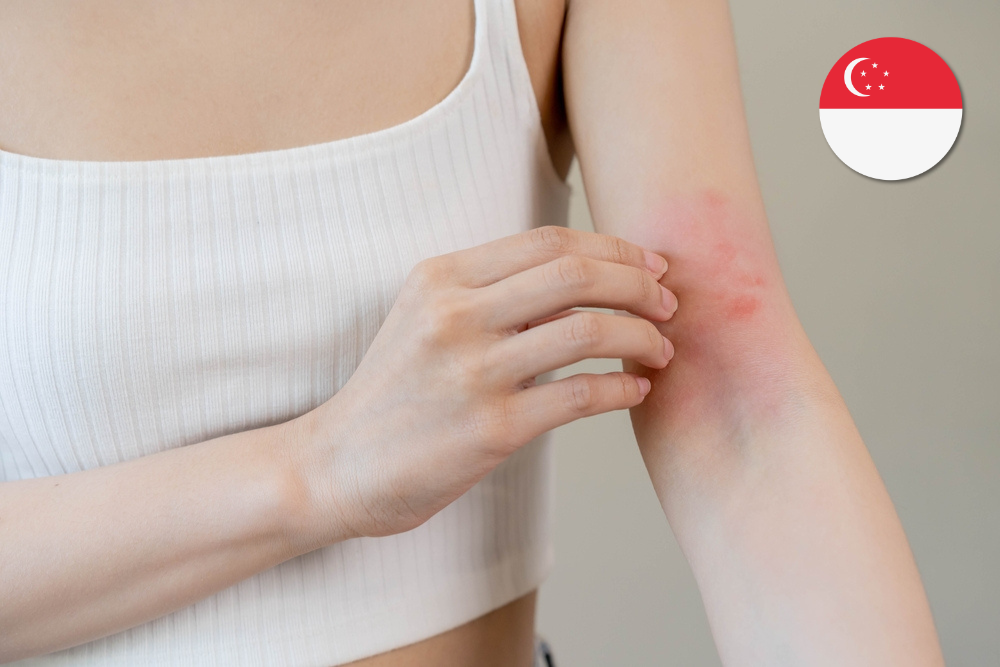
For people living with eczema, the itch is more than a physical symptom. It shapes sleep, mood, and relationships — influencing how they connect with others in everyday life.
For many people living with atopic dermatitis (eczema), the hardest part of the condition is not always what can be seen on the skin. It is the constant, unrelenting itch; and the ways it reshapes how they relate to the people around them.


Chronic itch does more than irritate. It interrupts sleep, fragments concentration, heightens irritability, and erodes emotional reserves. Over time, these disruptions can strain romantic partnerships, family dynamics, friendships and even workplace relationships.
Eczema and the Invisible Impact on Relationships
Chronic itch – the hallmark symptom of eczema – does more than disrupt the skin. It interferes with sleep, concentration, mood, and emotional regulation, all of which play a critical role in how people connect with partners, family members, and friends.
This unspoken burden is highlighted throughout Medical Channel Asia’s public sentiment survey, “The Unseen Itch: How Eczema Disrupts Daily Life in Singapore” where:
- 80% of respondents do not think their itch is well controlled, with 49% of them sharing that the itch was severe enough to disrupt daily functioning or sleep
- 56% shared that an eczema flare had led them to avoid an event or activity, and 28% reported feeling uncomfortable with physical closeness or intimacy during flare-ups
- 92% of respondents felt that people around them did not fully understand what living with eczema feels like
These insights suggest that eczema does not affect only the individual — it shapes how people participate in shared moments, from casual meals to family time, from friendships to romantic partnerships.
The findings are based on a voluntary, self-reported online survey conducted in South East Asia by Medical Channel Asia, with responses collected from individuals living with eczema as well as caregivers sharing observations of someone close to them.
The Extra Challenge
In Singapore’s hot and humid climate, heat and perspiration can aggravate symptoms. Activities that involve physical proximity, such as exercising together, sharing a bed, holding hands, or simply sitting close, may become uncomfortable during flare-ups.
Some survey participants described withdrawing not because they wished to distance themselves emotionally, but because they were exhausted from itching, embarrassed by scratching, or anxious about triggering another flare.
Sleep disruption further compounds the strain. Persistent night-time itch can lead to irritability, fatigue and reduced emotional resilience the following day — making communication and connection more difficult.
Over time, this cycle can create misunderstandings. Partners or loved ones may interpret withdrawal as disinterest. Patients may feel guilt for cancelling plans or limiting physical closeness. The result is often silence around a symptom that feels deeply personal, yet is rarely explained.
Growing Recognition of Itch as a Driver of Disease Burden
Dermatologists increasingly recognise that itch is not merely a secondary symptom of eczema, but a primary driver of disease burden.
Persistent itch fuels the itch–scratch cycle, worsens skin barrier damage, and significantly affects quality of life. For many patients, itch, rather than visible skin lesions, is the symptom that most directly shapes daily behaviour and relationships.
Newer treatment approaches reflect this shift, acknowledging that meaningful eczema management must address not only what is visible on the skin, but also what patients feel, endure, and often struggle to articulate.
Living With the Relentless Itch
For Ursula Soh, who has lived with eczema since infancy, the experience of itch can vary dramatically from day to day.
“On good days it’s barely noticeable,” she says. “On bad days I might scratch until I bleed.”

“What really bothered me…was the itch and the pain though, it was hard to get good quality sleep on some nights and that would affect the rest of my day.”
While the condition has improved in recent years, flare-ups can still affect concentration and daily activities. She avoids situations where sweating might trigger itching, including exercise, and sometimes withdraws from social situations when rashes appear on visible areas such as her face.
“Sometimes when I get rashes on my faces I refrain from going to events to meet new people.” she explains. “It also bugs me when I want to wear makeup but can’t because my skin is already irritated.”
After spending much of her life managing the condition, Soh went on to found Eczema Support Group Singapore, a community for people living with eczema that now has over 5,000 members on Facebook.
Like many people living with eczema, she feels the condition is often misunderstood.
“Most people think it’s just a minor skin problem,” she says. “They don’t realise how all-encompassing it can be and how much it can affect people’s lives.”
“Please be kind. Most of us are doing the best we can, so a little understanding goes a long way.”
A Call for Greater Understanding and Conversation
As awareness grows around the broader impact of eczema, there is increasing emphasis on the need for open conversations – not only about skin symptoms, but about sleep, emotional wellbeing, and the social realities patients face.
To deepen this understanding, Medical Channel Asia is inviting individuals living with eczema, as well as caregivers and close contacts, to contribute their perspectives through the public sentiment survey, “The Unseen Itch: How Eczema Disrupts Daily Life in Singapore”. These shared experiences will help inform future patient stories and educational initiatives that aim to shed light on the often-overlooked social and emotional toll of chronic itch.
Those who are experiencing persistent eczema symptoms or itch that remains difficult to control are encouraged to speak with their dermatologist or skin specialist. Treatment approaches for eczema have evolved in recent years.
For more information about eczema, itch management and treatment pathways, additional resources are available on the Dermatology Chapter (Atopic Dermatitis) Page on Medical Channel Asia.
This article provides general information and does not replace medical advice. Consult a qualified healthcare professional for diagnosis and treatment.

