


Tuberculosis remains a major threat in Asia, but new tuberculosis treatment innovations—including AI and even smart rats—are changing the game for patients.
Tuberculosis (TB) is often mistakenly viewed as a disease of the past, a relic of 19th-century novels and Victorian sanatoriums. However, for many across Asia, it remains a very present reality. According to the World Health Organisation, Southeast Asia bears the largest burden of TB globally, accounting for nearly 45 per cent of all new cases. While the medical community has made massive strides in reducing mortality, the rise of drug-resistant strains has created a sense of urgency.


Fortunately, we are entering a new era of innovation. On this World Tuberculosis Day, the fight against Tuberculosis is no longer confined to sterile hospital wards and long, difficult treatment regimens. From high-tech digital monitoring to the surprising assistance of the animal kingdom, science is finding creative ways to outsmart the Mycobacterium tuberculosis bacterium.
1. The HeroRATS of Diagnostics
For decades, diagnosing TB in busy urban centres has relied on microscopic examination of sputum samples. This process is often time-consuming and requires an immense level of concentration to maintain accuracy. However, a non-governmental organisation has introduced an unexpected ally: African giant pouched rats, affectionately known as “HeroRATS.”
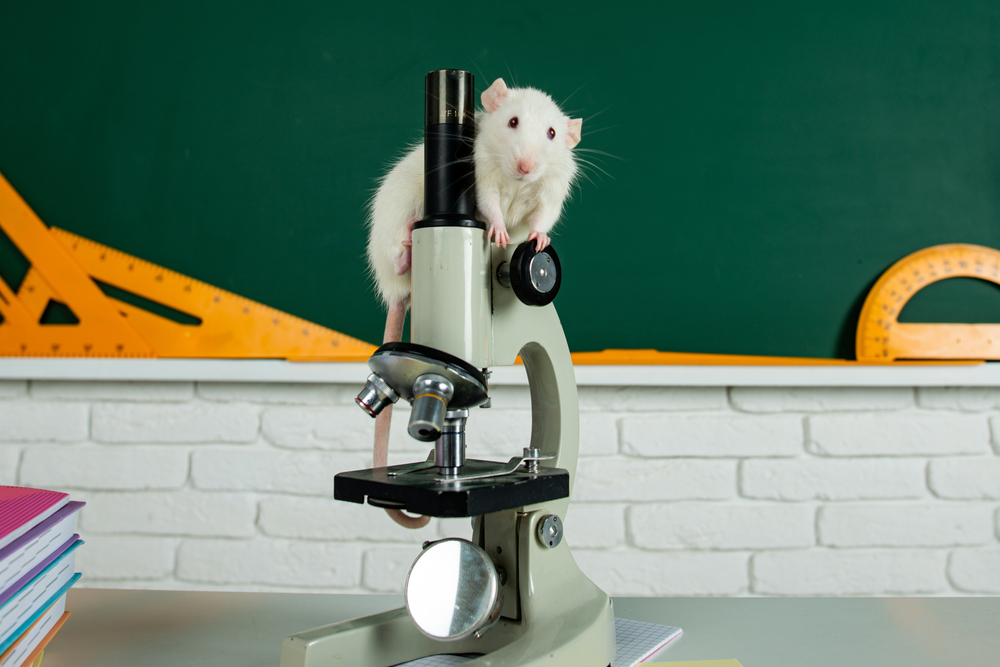
These rodents possess an extraordinary sense of smell, capable of detecting the specific volatile organic compounds emitted by the bacteria. When a rat identifies a positive sample, it pauses and scratches at the container, alerting its handler.
These rats do not replace doctors; they act as a high-speed screening layer. Any sample flagged by a rat is immediately sent for confirmation using molecular tests. This synergy between biology and technology allows clinics to find cases that traditional microscopy might have missed.
2. Smart Pillboxes and the Internet of Things
One of the hardest parts of curing TB is the length of treatment. Patients must take a cocktail of antibiotics for six to nine months. If they stop early because they feel better, the bacteria can become drug-resistant. Historically, health workers used Directly Observed Therapy (DOT), which require patients to visit a clinic daily so a nurse could watch them swallow their medication.
View this post on Instagram
In modern cities like Singapore or Manila, this is often impractical for working individuals. Enter the “Smart Pillbox.” These devices use the Internet of Things (IoT) to monitor medication adherence remotely. When a patient opens the box, a signal is sent via the cellular network to a central dashboard.
If a box remains closed past the scheduled time, the system sends an automated text message reminder. This technology empowers patients to recover in the comfort of their homes while ensuring the medical team remains informed.
3. AI-Powered Cough Analysis
In many rural parts of Asia, access to expensive X-ray machines or molecular laboratories is limited. Scientists have recently unveiled a breakthrough that turns a standard smartphone into a diagnostic tool. Using Artificial Intelligence (AI), new platforms can analyse the sound of a patient’s cough to detect TB.
The AI is trained on thousands of recordings to distinguish the unique acoustic signature of a TB cough from those caused by common colds or asthma. In recent trials, these algorithms correctly identified TB signatures with over 90 per cent accuracy. This acoustic fingerprinting allows health workers to screen entire communities quickly and cheaply, ensuring that those who need more expensive follow-up tests are sent to the hospital. It is a prime example of how AI is becoming a supportive peer in modern medicine.
4. A New Vaccine on the Horizon
The only current vaccine for TB is the Bacille Calmette-Guérin (BCG) vaccine. While most people in Asia receive this at birth, the BCG vaccine is over one hundred years old. It is highly effective at preventing severe TB in children, but its protection often fades by adulthood, leaving the lungs vulnerable.
Science is finally on the verge of a breakthrough with the M72/AS01E vaccine candidate. In clinical trials, this new vaccine showed roughly 50 per cent efficacy in preventing pulmonary TB in adults who were already infected with the bacteria. If approved, it could be the first new TB vaccine in a century, potentially saving millions of lives across high-burden regions.
5. Backpack X-Rays and “Deep Learning”
Traditionally, getting a chest X-ray meant travelling to a large hospital with bulky, stationary equipment. Today, ultra-portable X-ray units that fit into a backpack are changing the game. These devices are often paired with Computer-Aided Detection (CAD) software, which uses deep learning to read the images instantly.
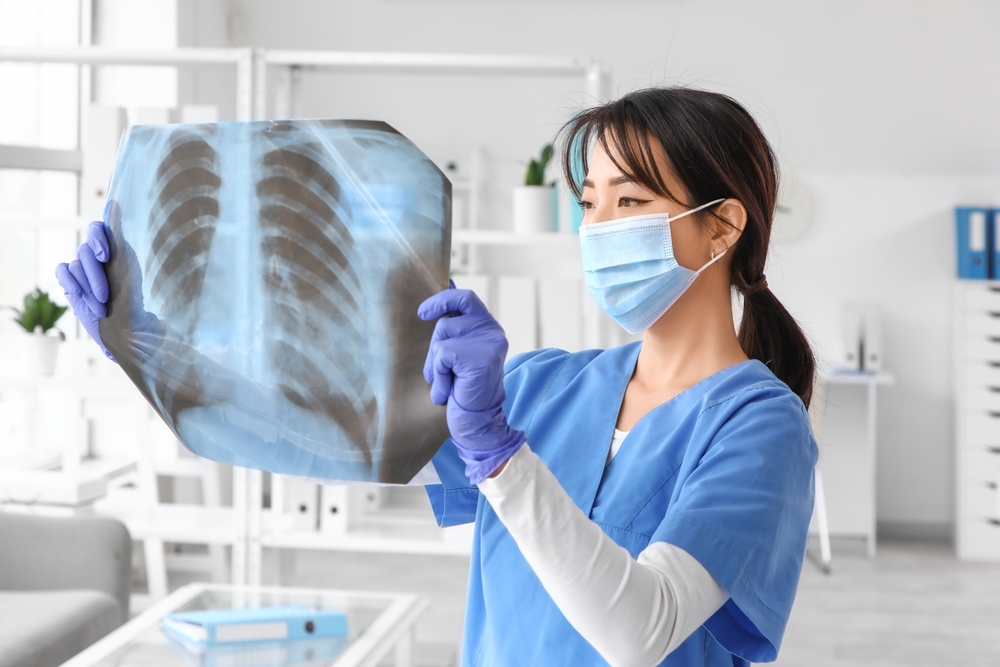
In countries like Vietnam and India, these “clinics-in-a-backpack” are sent to remote villages. The AI can identify signs of TB in seconds—providing vital second opinions and reducing the diagnostic burden on human radiologists in high-pressure environments.
A Collective Effort Toward Elimination
The fight against tuberculosis is no longer a slow war of attrition. By combining the natural world with cutting-edge digital tools, we are finally closing the gaps in detection and treatment that have allowed this disease to persist for millennia. However, technology is only half of the solution.
As we have seen with recent outbreaks in the region, awareness and community participation are the final keys to success. Whether it is supporting a loved one through a long treatment course or advocating for better screening in our workplaces, every action counts. By staying informed and utilising these new scientific advances, we can ensure that TB eventually becomes a story we only read about in history books.
References:
- APOPO. (2024). Annual report 2024: Training rats to save lives. https://apopo.org/wp-content/uploads/2025/05/APOPO-Annual-Report-2024.pdf
- Bill & Melinda Gates Medical Research Institute. (2024, March 19). Bill & Melinda Gates Medical Research Institute initiates Phase 3 clinical trial of tuberculosis vaccine candidate. https://www.gatesmri.org/newsroom/press-releases/m72-phase-3-trial-initiation
- News-Medical. (2025, December 1). New AI tools offer hope for global TB elimination. https://www.news-medical.net/news/20251201/New-AI-tools-offer-hope-for-global-TB-elimination.aspx
- Tadesse, A. W., Mganga, A., Dube, T. N., Alacapa, J., van Kalmthout, K., Letta, T., Mleoh, L., Garfin, A. M. C., Maraba, N., Charalambous, S., Foster, N., Jerene, D., & Fielding, K. L. (2024). Feasibility and acceptability of the smart pillbox and medication label with differentiated care to support person-centered tuberculosis care among ASCENT trial participants: A multicountry study. Frontiers in Public Health, 12, 1327971. https://doi.org/10.3389/fpubh.2024.1327971
- United Nations Development Programme. (2025, December 27). UNDP implements AI for early tuberculosis diagnosis in Turkmenistan. https://www.undp.org/turkmenistan/press-releases/undp-implements-ai-early-tuberculosis-diagnosis-turkmenistan
- World Health Organization. (2025). Global tuberculosis report 2025. https://www.who.int/publications/i/item/9789240116924

