


Some sleep problems are noticed by the person experiencing them. Others are first spotted by the person sleeping next to them. REM sleep behaviour disorder is one such condition.
People with REM sleep behaviour disorder (RBD) may appear to talk, shout, kick, punch, or flail their arms during sleep, often in response to vivid dreams. These behaviours are not intentional and occur during rapid eye movement (REM) sleep, a stage when the body is normally still.


Because the movements can be sudden and forceful, RBD can pose a risk of injury to both the sleeper and their bed partner. Recognising the signs early is important, not only for safety, but also because RBD can sometimes signal underlying neurological conditions.
What Is REM Sleep Behaviour Disorder?
RBD occurs when the normal muscle paralysis that should happen during REM sleep fails to occur. During typical REM sleep, the brain is highly active and dreaming occurs, but the body remains temporarily paralysed to prevent movement.
In people with RBD, this protective paralysis, known as muscle atonia, is absent or incomplete. As a result, the person may unknowingly act out their dreams.
REM sleep makes up about 20% of total sleep time and occurs more frequently in the second half of the night. RBD episodes may develop gradually and often worsen over time.
Common Symptoms of REM Sleep Behaviour Disorder
Symptoms can range from mild to severe and may happen occasionally or multiple times a night. Common features include:
- Kicking, punching, flailing arms, or grabbing movements
- Jumping or falling out of bed
- Talking, shouting, laughing, or screaming during sleep
- Acting out action-filled or violent dreams
- Being able to recall the dream clearly if awakened
- Waking up alert and not confused after an episode
Unlike night terrors, people with RBD are usually easy to wake and are oriented when they awaken.
Importantly, many people are unaware they have RBD until a bed partner notices the behaviour or an injury occurs.
What Causes REM Sleep Behaviour Disorder?
Normally, nerve pathways in the brainstem prevent muscles from moving during REM sleep. In RBD, these pathways no longer function properly, allowing dream enactment to occur. RBD can be classified into different types based on its cause.
Isolated (Idiopathic) RBD
This form occurs without an obvious underlying cause. However, isolated RBD is strongly associated with neurodegenerative conditions. Research shows that up to 97% of people with isolated RBD may go on to develop conditions such as:
- Parkinson’s disease
- Dementia with Lewy bodies
- Multiple system atrophy
Because of this, RBD is sometimes considered an early warning sign of neurological disease.
Secondary (Symptomatic) RBD
This occurs due to another condition, such as:
- Narcolepsy (linked to deficiency of the sleep-regulating chemical orexin)
- Neurodegenerative disorders
- Brain injury or stroke
Drug-Induced RBD
Certain antidepressants may trigger RBD by altering dopamine and serotonin pathways involved in REM sleep.
Who Is at Risk?
RBD most commonly affects people over the age of 50, with an average onset around 61 years. Men are significantly more affected than women in this age group, although younger adults and children can develop RBD in association with narcolepsy or other conditions.
Additional risk factors include:
- Parkinson’s disease or related neurological disorders
- Narcolepsy
- Use of certain antidepressants
- Alcohol or substance use or withdrawal
- Possible environmental exposures such as pesticides, smoking, or prior head injury
Complications of RBD
Because movements during RBD can be forceful or violent, complications are common and may include:
- Bruises, cuts, sprains, or fractures
- Head injuries or subdural haematomas
- Injury to bed partners
- Sleep disruption and social isolation
Studies show that up to 80% of people with RBD experience sleep-related injuries, and a significant proportion of bed partners are also affected.
How REM Sleep Behaviour Disorder Is Diagnosed
Diagnosis begins with a detailed clinical history and often includes input from a bed partner. A physical and neurological examination is usually performed to rule out other conditions.
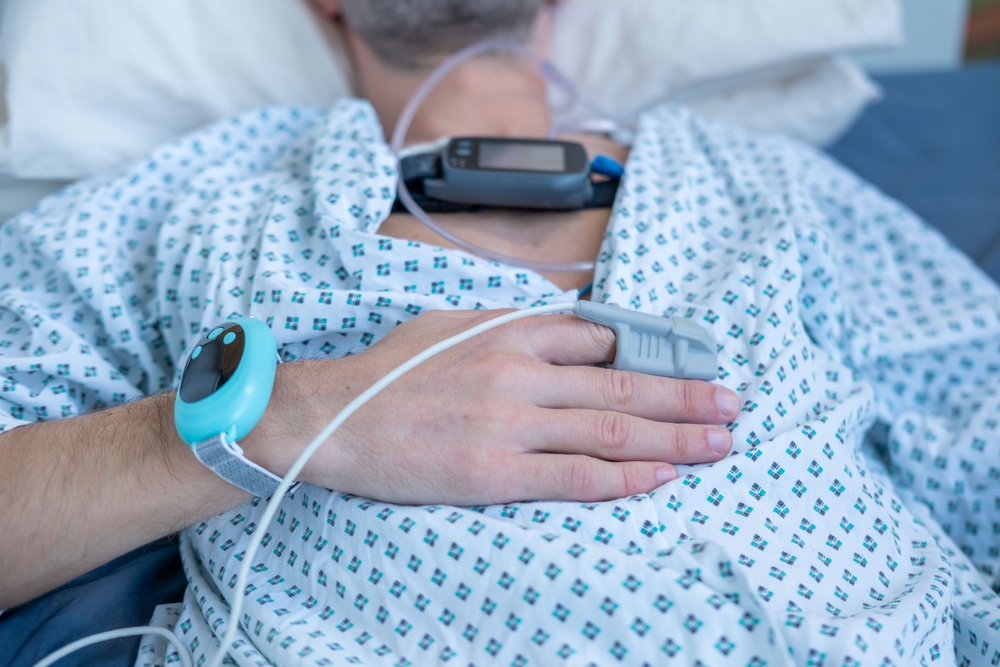
The gold standard test is an overnight video sleep study (polysomnography). This test records:
- Brain wave activity
- Eye movements
- Muscle activity
- Heart rate and breathing
- Blood oxygen levels
- Vocalisations and movements during sleep
According to international diagnostic criteria, RBD is diagnosed when dream-enacting behaviours are observed during REM sleep alongside evidence of REM sleep without muscle paralysis, and when other causes such as seizures, medications, or other sleep disorders have been excluded.
Treatment and Management
The primary goal of treatment is safety, followed by symptom control.
Making the Sleep Environment Safer
Doctors may recommend:
- Removing sharp or heavy objects from the bedroom
- Padding the area around the bed
- Placing a mattress on the floor or using padded bed rails
- Moving furniture away from the bed
- Sleeping separately from a bed partner if episodes are severe
- Avoiding alcohol, which can worsen symptoms
Medications
If safety measures alone are insufficient, medication may be prescribed:
- Melatonin is often the first-line treatment and is generally well tolerated
- Clonazepam may reduce symptoms but can cause side effects such as daytime sleepiness or balance problems
- Pramipexole may help in some cases, particularly where dopamine pathways are involved
Treatment is individualised and should be discussed with a healthcare professional.
Outlook and Long-Term Considerations
The outlook for RBD depends on its cause. When RBD is secondary to medication or narcolepsy, symptoms may improve with treatment of the underlying condition.
When RBD occurs in isolation, ongoing follow-up is important due to the strong association with neurodegenerative diseases. Early recognition allows for monitoring, safety planning, and timely neurological assessment if symptoms evolve.
When to See a Doctor
You should seek medical advice if you or your bed partner notice:
- Repeated dream-enacting movements
- Injuries occurring during sleep
- Loud vocalisations or violent behaviours at night
- Other unexplained sleep disturbances
Early assessment can reduce injury risk and provide important insight into overall neurological health.
Key Takeaway
REM sleep behaviour disorder is more than active dreaming. It involves the loss of normal muscle paralysis during REM sleep, allowing dreams to be physically acted out. Because the condition can lead to injury and may be associated with underlying neurological disease, early recognition and medical assessment are important.
For more science-backed insights and tips on sleep health, check out our Sleep Page.
References
- Mayo Clinic (n.d.). REM sleep behaviour disorder. Available at: https://www.mayoclinic.org/diseases-conditions/rem-sleep-behavior-disorder/symptoms-causes/syc-20352920
- Dauvilliers, Y., Schenck, C. H., Postuma, R. B., Iranzo, A., et al. (2018). REM sleep behaviour disorder. Nature Reviews Disease Primers, 4(1), 19. Available at: https://pubmed.ncbi.nlm.nih.gov/30166532/
- Galbiati, A., Verga, L., Giora, E., Zucconi, M., & Ferini-Strambi, L. (2019). The risk of neurodegeneration in REM sleep behaviour disorder: A systematic review and meta-analysis of longitudinal studies. Sleep Medicine Reviews, 43, 37–46. Available at: https://pubmed.ncbi.nlm.nih.gov/30503716/
- Khawaja, I., Spurling, B. C., & Singh, S. (2022). REM sleep behaviour disorder. StatPearls. Available at: https://www.ncbi.nlm.nih.gov/books/NBK534239/

