


Can pets take human medications for allergies, heartburn or even anxiety? In some cases, yes – but only under strict veterinary supervision.
If you’ve ever lived with a cat or a dog, you know they share almost everything with you – your bed, your snacks, and, often, your personal space. But regardless of how much they’ve taken over your life, one of the last things you’d expect them to partake in is your prescriptions. And if you think it’s because human drugs are dangerous for animals, your assumption is correct.


At least for most medications.
You’d be surprised to find that, in some very specific circumstances, certain pills of ours can actually pass as pet-friendly treatments.
But before you let your fluffy one play around with all your medicine bottles, let’s explore a few that might show up on both human and veterinary shelves.
Diphenhydramine
Diphenhydramine is an antihistamine typically used by us humans when the pollen starts attacking.
And, apparently, pets can also take it to help manage their allergies.
In humans, diphenhydramine blocks histamine, which the body releases in the midst of an allergic reaction, resulting in symptoms such as sneezing, itching and inflammation, and it works similarly in animals. In may also help dogs fend off motion sickness when they are travelling.
The effects of diphenhydramine can kick in within a couple of hours, and while they start wearing off throughout the day, they do come with a few side effects. The most common one is drowsiness, though some animals may alternatively develop the zoomies. Other side effects include dry mouth, a reduced appetite, and less frequent urination.
You can also look to second-generation antihistamines like cetirizine and loratadine, which are less likely to induce these symptoms, in particular the sleepiness.
Word of Caution
Before letting your pet anywhere close to an over-the-counter Benadryl pill, note that many often contain additional ingredients like decongestions, which are not safe for cats or dogs. Be sure to read the product labels carefully.
Additionally, Benadryl should not be given to pets who are pregnant, or those with health issues like glaucoma, high blood pressure, or heart conditions.
Famotidine
Famotidine tablets is a common solution for helping us deal with heartburn and other gastrointestinal issues upon eating a little too much takeout, and it offers the same relief to cats and dogs.
Similarly to humans, our pets can also experience acid reflux, gastrointestinal ulcers, and inflammation of the stomach, and famotidine can help calm certain digestive discomforts.
Famotidine works by decreasing the amount of acid being produced in the stomach. It is best taken before breakfast, either as a tablet or liquid, when the stomach is still empty, and starts to take effect in one to two hours.
Word of Caution
While famotidine generally does not lead to many side effects, a decreased appetite and even diarrhoea are possible consequences for both cats and dogs. It also needs to be used with caution for pregnant or geriatric pets, or those with kidney, liver, or heart disease.
Hydrocortisone Cream
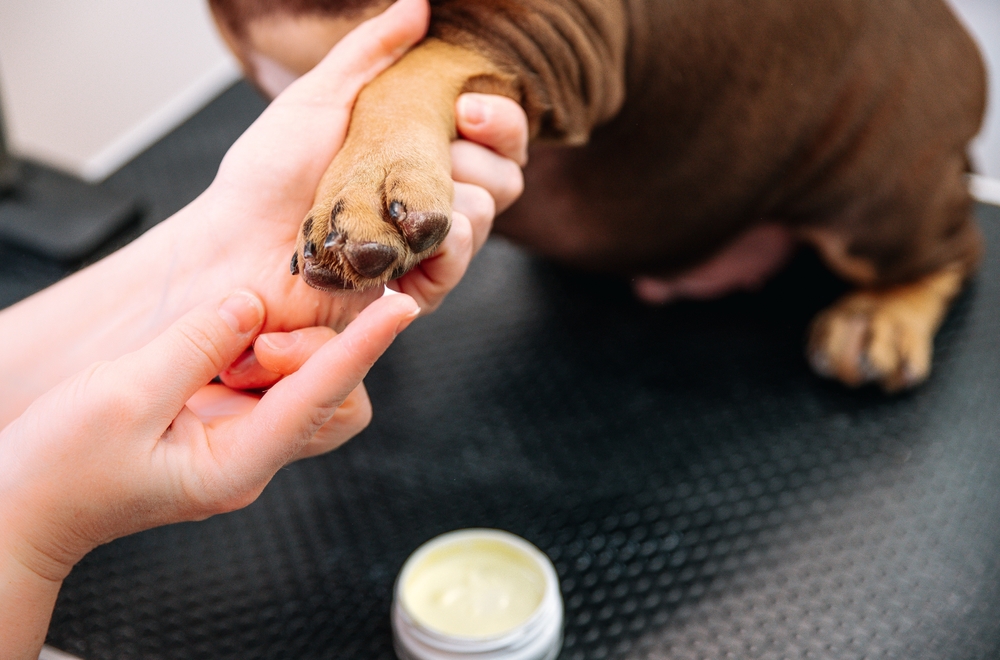
Hydrocortisone cream is a topical steroid that reduces skin inflammation, helping us manage eczema and other skin conditions that result in swelling, redness or rashes.
It could also be used to treat minor skin irritations in pets, relieving any itching.
Hydrocortisone cream can be applied to your pet once or twice daily. Stay clear of hydrocortisone sprays or gels that may contain alcohol, as it can be harmful for animals when licked off the skin.
Word of Caution
It is important that your pets, especially cats, don’t lick the application area for at least half an hour after you have administered the cream.
It can also come with some risks, including delayed wound-healing or skin-thinning, which is why hydrocortisone cream can’t be used for too long, and should only serve as a temporary solution.
Neosporin (neomycin, polymyxin B, and bacitracin)
Neosporin is an common antibiotic ointment combination that can be used for small cuts or scrapes – on both humans and dogs.
As a topical antibiotic, it is applied directly to abrasions to prevent bacterial infections and aid the healing process.
Note that it should only be used on minor wounds.
Word of Caution
While Neosporin is safe for dogs, it is best not to use topical antibiotics on cats, because of how often they groom themselves.
As it is, ingesting Neosporin can cause both cats and dogs to display symptoms of toxicity, including diarrhoea, vomiting, drooling, and even seizures.
Fluoxetine
Fluoxetine is intended to treat symptoms of anxiety or depression. Considering it may also be prescribed to cats or dogs, it can be eye-opening to realise our fur babies can go through psychological turmoil too.
Fluoxetine is a type of selective serotonin reuptake inhibitor (SSRI), which helps increase serotonin levels in the brain and improve mood regulation. Other than depression and anxiety, it can also be used to treat other mental health conditions, such as obsessive-compulsive disorders or eating disorders.
In pets, fluoxetine can help them cope with stress and other behavioural issues, and can be taken as a pill, liquid, or topical lotion.
Word of Caution
Prozac is typically safe for both cats and dogs, but some common side effects include appetite changes, and increased agitation.
Cyclosporine
For pets with chronic eczema or allergic skin disease, mild creams are often not enough.
Cyclosporine is an immunosuppressant that is commonly used across conditions. In humans, cyclosporine is used to prevent organ rejection after transplant and to treat severe inflammatory conditions, including eczema.
In veterinary medicine, cyclosporine is commonly prescribed for dogs and cats with atopic dermatitis – a chronic allergic skin condition that causes persistent itching, redness, thickened skin, and recurrent infections.
Instead of simply blocking histamine like antihistamines do, cyclosporine works deeper in the immune system. It reduces the activity of certain immune cells that drive inflammation. This makes it particularly helpful for moderate to severe cases that do not respond to other eczema treatments such as hypoallergenic food or oral steroids.
Word of Caution
Because cyclosporine suppresses parts of the immune system, it should be carefully monitored. Side effects may include vomiting, diarrhoea, gum overgrowth, or increased susceptibility to infections. It is not suitable for all pets and should never be administered without veterinary oversight.
The Key Takeaway: Safety First
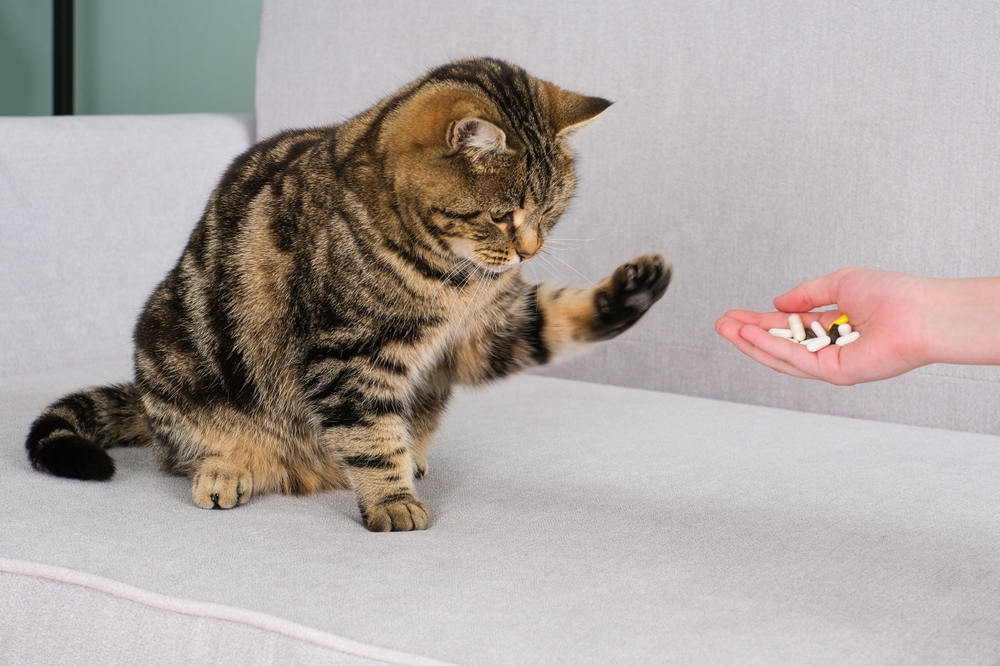
Bear in mind that these medications – and any other treatment option for your pet – should be applied only under the close supervision of a veterinarian.
According to Dr Grace Heng, a Senior Veterinarian at The Joyous Vet, owners should not be self-medicating their pets at all, regardless of the situation.
“The dose rates for pets are very different from humans,” she explained in CNA. “(And) human medicines may have different additives and concentrations.”
Remember, pets aren’t tiny humans. They are creatures with their own biological complexities, and the last thing you want to do is make things worse.
So when in doubt, always reach out to your local vet. This is the best way to ensure your furry friend’s health and safety.
To learn more about the bond between humans and animals, read this: Animals in Healthcare: World Animals Day 2023
External References
- Brouhard, R. (2025, November 4). When Should I Use Neosporin for Cuts and Wounds? Verywell Health. Retrieved from: https://www.verywellhealth.com/should-i-use-neosporin-on-my-cut-1298910
- Cleveland Clinic. (n.d.). Diphenhydramine Syrup or Elixir. Retrieved from: https://my.clevelandclinic.org/health/drugs/20500-diphenhydramine-syrup-or-elixir
- Cleveland Clinic. (n.d.). Famotidine Tablets. Retrieved from: https://my.clevelandclinic.org/health/drugs/18896-famotidine-tablets
- Cleveland Clinic. (n.d.). Hydrocortisone Cream, Lotion, Ointment, or Solution. Retrieved from: https://my.clevelandclinic.org/health/drugs/18748-hydrocortisone-cream-lotion-ointment-or-solution
- Fabian, R. (2025, March 3). Human Medicine for Pets: How to Fill Your Dog or Cat’s Prescription. GoodRx. Retrieved from: https://www.goodrx.com/pet-health/pets/human-medicine-for-pets?srsltid=AfmBOoqwbOdd_t-Y_NylTN9PFKcT5tEwR_QdjvfUOSk3UKVNxgKc6989
- HealthHub. (2025, June 27). Fluoxetine. Retrieved from: https://www.healthhub.sg/medication-devices-and-treatment/medications/fluoxetine
- Sarwar, J. (2024, June 11). Which OTC Medications Are Safe for Dogs and Cats, and Which Ones Aren’t? GoodRx. Retrieved from: https://www.goodrx.com/pet-health/pets/over-the-counter-medicine-for-pets?srsltid=AfmBOoqyvjW0Uo8l_YW_nrTorzOCgmENAFfU6pm_pCMtQY-QkzVaFnK1
- Tham, A. (2024, July 18). Pets in Singapore are being given psychiatric meds. Vets say the pros can outweigh the cons. CNA. Retrieved from: https://www.channelnewsasia.com/singapore/pets-dogs-medicine-vets-psychiatric-anxiety-4475321

