

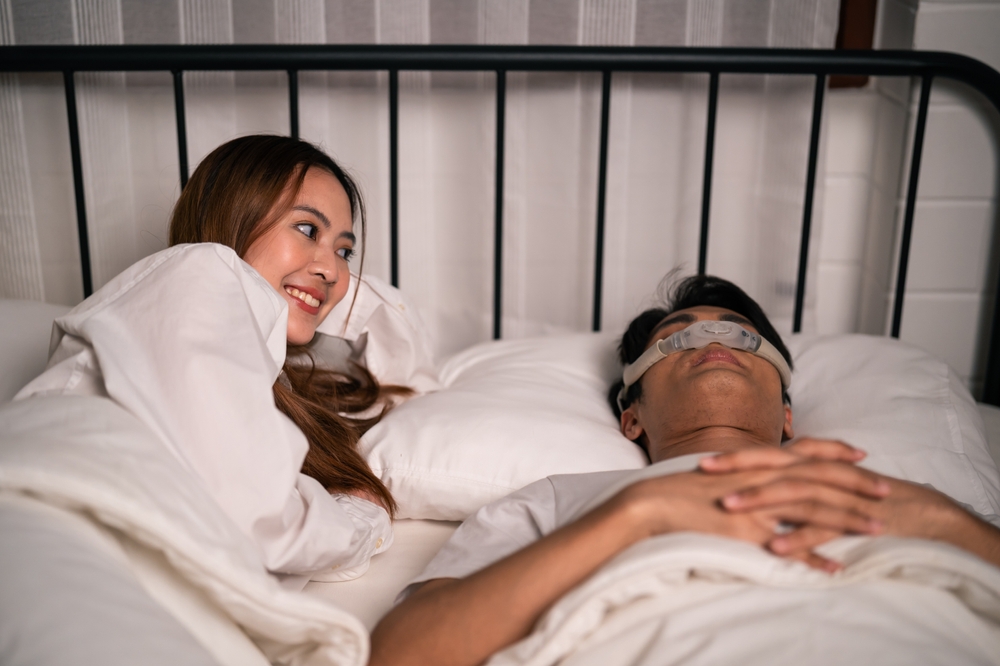
Sleep apnoea is a sleep-related breathing disorder that causes repeated pauses in breathing during sleep. Here is how it affects your sleep, why it happens, and when it may be time to seek medical advice.
So you have been told you snore loudly, or maybe you wake up feeling exhausted no matter how long you have slept. If that sounds familiar, you might be dealing with something more than just a bad night’s rest.


Sleep apnoea is a serious sleep disorder that causes your breathing to stop and start repeatedly throughout the night. And here is the kicker: most people who have it do not even realise it.
What Is Sleep Apnoea?
Sleep apnoea belongs to a group of conditions known as sleep-related breathing disorders. Think of the condition as your body hitting the “pause” button on breathing while you are asleep, sometimes dozens, even hundreds of times a night.
Each time breathing slows or stops, the body briefly wakes up to restore airflow. Most people do not remember these awakenings, but the repeated disruptions prevent deep, restorative sleep from occurring.
As a result, sleep apnoea affects not just sleep quality, but also daytime alertness, concentration, and overall health.
Types of Sleep Apnoea
Sleep apnoea is broadly classified into three main types, depending on the cause of the breathing disruption.
1. Obstructive Sleep Apnoea (OSA)
OSA is the most common form. Local data from Singapore suggest that moderate to severe OSA affects about 30.5 % of the adult population.

It occurs when the muscles at the back of the throat relax during sleep, causing the airway to narrow or collapse. When airflow is blocked, oxygen levels drop and the body briefly wakes up to reopen the airway.
Snoring is common in OSA because air is forced through a narrowed airway. However, not everyone who snores has sleep apnoea, and not all sleep apnoea presents with loud snoring.
2. Central Sleep Apnoea (CSA)
CSA occurs when the brain does not send consistent signals to the muscles responsible for breathing. In this case, the airway remains open, but breathing effort temporarily stops.
CSA is less common and is often associated with underlying medical conditions such as stroke, heart failure, brain injury, or certain neurological disorders.
3. Mixed or Complex Sleep Apnoea
In addition to OSA and CSA, some people have mixed or complex sleep apnoea, where features of both types occur together. This is often identified when central breathing pauses persist or emerge even after obstructive events are treated, such as during CPAP therapy. Mixed sleep apnoea can be more challenging to manage and may require specialist adjustment of positive airway pressure settings or alternative treatment approaches.
Symptoms of Sleep Apnoea
Sleep apnoea symptoms often go unnoticed or are mistaken for stress or poor sleep habits. Common signs include both night-time breathing problems and daytime symptoms caused by disrupted sleep.
Common Sleep Apnoea Symptoms
- Loud, chronic snoring
- Gasping, choking, or snorting during sleep
- Pauses in breathing noticed by a bed partner
- Dry mouth or sore throat upon waking
- Morning headaches
- Excessive daytime sleepiness
- Difficulty concentrating or memory problems
- Mood changes, irritability, or depression
If you experience persistent daytime sleepiness despite getting what seems like enough sleep, sleep apnoea may be a contributing factor.
What Causes Sleep Apnoea?
The causes of sleep apnoea differ depending on the type.
In OSA, physical factors narrow the airway during sleep. This may be related to throat muscle relaxation, body weight, or the structure of the jaw and upper airway. Alcohol and sedative medications can worsen airway collapse by further relaxing the muscles involved in breathing.
In CSA, the problem lies in how the brain regulates breathing during sleep. Conditions affecting the brainstem, heart, or nervous system can interfere with normal breathing signals, leading to repeated pauses.
Who Is at Risk of Sleep Apnoea?
Sleep apnoea can affect people of all ages, but certain factors can increase its risk.
For OSA, risk rises with age and is more common in men. Excess body weight is a well-established risk factor, but the condition can also occur in people who are not overweight, particularly in Asian populations where craniofacial anatomy may play a larger role. Family history, smoking, and alcohol use can also contribute.
CSA is more likely to occur in older adults and in those with underlying medical conditions such as heart failure, stroke, or neurological disease.
How Is Sleep Apnoea Diagnosed?
Sleep apnoea must be diagnosed by a healthcare professional, often with the help of a sleep study.
Medical Evaluation
Diagnosis begins with a review of symptoms, medical history, and risk factors. Information from a bed partner is often helpful, especially regarding snoring or breathing pauses.
Sleep Study (Polysomnography)
A sleep study measures breathing patterns, oxygen levels, heart rate, and sleep stages.
- In-lab sleep study: Conducted overnight in a sleep clinic, providing the most comprehensive assessment.
- Home sleep test: May be used for suspected moderate to severe OSA but is not suitable for CSA.
Understanding the Results
Results are assessed using the apnoea-hypopnoea index (AHI), which measures breathing events per hour:
- Mild: 5–15 events/hour
- Moderate: 15–30 events/hour
- Severe: More than 30 events/hour
Treatment Options for Sleep Apnoea
The goal of sleep apnoea treatment is to keep the airway open, improve sleep quality, and reduce health risks. Treatment depends on the severity and type of sleep apnoea.
CPAP and Sleep Apnoea Machines
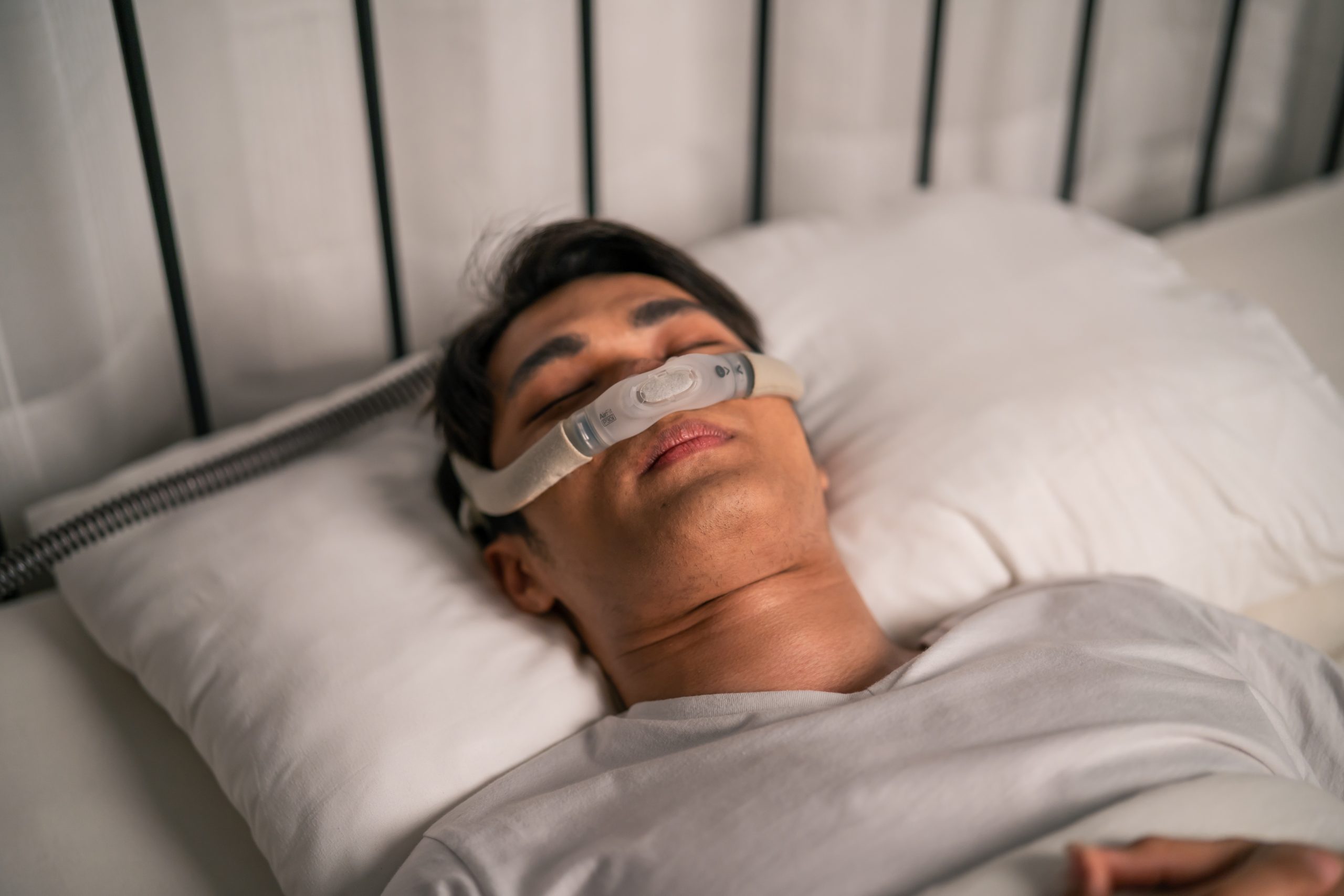
Continuous Positive Airway Pressure (CPAP) therapy is the most effective and commonly prescribed sleep apnoea treatment for OSA.
A CPAP machine delivers pressurised air through a mask worn during sleep, preventing airway collapse. Variations include:
- CPAP (constant pressure)
- BiPAP (two pressure levels)
- APAP (automatically adjusting pressure)
Oral Appliances
Custom-fitted oral devices reposition the jaw or tongue to keep the airway open. These may be suitable for mild to moderate OSA.
Lifestyle Changes
Lifestyle modifications can significantly improve symptoms:
- Weight loss
- Reducing alcohol intake
- Avoiding sedatives before sleep
- Sleeping on your side instead of your back
Surgery
Surgical options may be considered when other treatments fail or when anatomical abnormalities contribute to airway obstruction.
Complications of Untreated Sleep Apnoea
Without treatment, sleep apnoea can increase the risk of:
- High blood pressure and heart disease
- Stroke and irregular heart rhythms
- Type 2 diabetes
- Poor concentration and memory problems
- Work and road accidents due to drowsy driving
When to See a Doctor
You should consider seeing a doctor or sleep specialist if you:
- Snore loudly and regularly
- Experience choking or gasping during sleep
- Feel excessively sleepy during the day
- Have high blood pressure or heart disease with poor sleep
- Have a bed partner who notices breathing pauses
Early diagnosis and treatment can significantly improve sleep quality and long-term health outcomes.
Take the Next Step: Sleep Apnoea Screening
Sleep apnoea is common, underdiagnosed, and treatable. If you suspect you may be at risk, a sleep assessment can provide clarity and guide appropriate treatment.
Consider booking a sleep screening or consultation at a sleep clinic to evaluate your symptoms and protect your long-term health.
References
- National Institutes of Health (NIH) National Heart, Lung, and Blood Institute. (2022, March 24). Sleep apnea: What is sleep apnea? National Institutes of Health (NIH) National Heart, Lung, and Blood Institute. https://www.nhlbi.nih.gov/health/sleep-apnea
- Yap YL, Ong TH, Tan A, et al. Upper airway stimulation for obstructive sleep apnoea in Asians: A Singapore sleep centre experience. Ann Acad Med Singap. 2022;51(9):504–511. Available from: https://annals.edu.sg/upper-airway-stimulation-for-obstructive-sleep-apnoea-in-asians-a-singapore-sleep-centre-experience/
- Malhotra, A., Kundel, V. (2024, December 17). Obstructive sleep apnea overview of management in adults. UpToDate. https://www.uptodate.com/contents/obstructive-sleep-apnea-overview-of-management-in-adults
- Badr, M. S. (2023, March 9). Central sleep apnea: Pathogenesis. In R. D. Chervin (Ed.). UpToDate. https://www.uptodate.com/contents/central-sleep-apnea-pathogenesis
- A.D.A.M. Medical Encyclopedia. (2021, July 12). Central sleep apnea. MedlinePlus. https://medlineplus.gov/ency/article/003997.htm
- Borsini, E., Noguiera, F., & Nigro, C. (2018). Apnea-hypopnea index in sleep studies and the risk of over-simplification. Sleep Science, 11(1), 45–48. https://pubmed.ncbi.nlm.nih.gov/29796201/

