

Sleep paralysis is a common REM-related sleep disturbance that can create vivid hallucinations and intense fear. Here is how it works and how consistent sleep habits can reduce episodes.
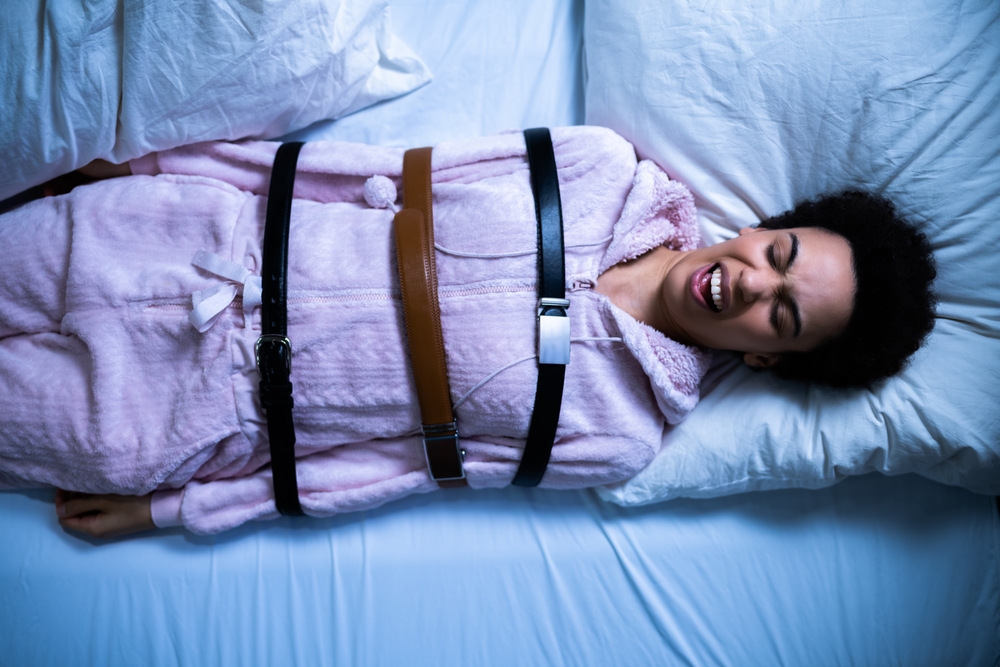
Imagine waking up and suddenly realising you can’t move or speak. You feel a weight on your chest or sense a presence standing nearby. It feels like a nightmare, except you are awake.


For many, this is their first encounter with sleep paralysis. It is deeply unsettling, often described as one of the most frightening sleep experiences a person can have. However, the condition itself is harmless, and with the right approach, episodes often become less frequent and less distressing.
In this guide, we will walk through what sleep paralysis is, why it happens, common triggers, how it is diagnosed, and what you can do to reduce episodes over time.
What Is Sleep Paralysis?
Sleep paralysis is a temporary inability to move or speak that occurs either when you are falling asleep or waking up. Episodes usually last a few seconds to a couple of minutes and resolve on their own or when someone touches or speaks to you.
Sleep paralysis is classified as a REM parasomnia – a sleep behaviour linked to rapid eye movement (REM) sleep, the stage where most dreaming occurs.
Types of Sleep Paralysis
Clinically, sleep paralysis fall into two categories:
- Isolated sleep paralysis: Episodes occur on their own and are not linked to narcolepsy or another sleep disorder.
- Recurrent sleep paralysis: Episodes happen repeatedly over time and may be associated with narcolepsy.
When someone has recurring episodes without narcolepsy, this is often called recurrent isolated sleep paralysis (RISP).
Why Does Sleep Paralysis Occur?
During REM sleep, your brain temporarily “switches off” the muscles in your arms and legs through a process called muscle atonia. This prevents you from physically acting out your dreams.
Normally, atonia ends before you wake up. In sleep paralysis, your consciousness returns before your body finishes exiting REM, creating the unsettling feeling of being conscious but unable to move.
What Does Sleep Paralysis Feel Like?
Experiences vary, but most people describe a similar pattern: being awake but unable to move or speak. Other sensations may include:
- A pressure or weight on the chest
- A sense of suffocation despite breathing normally
- Rapid heartbeat
- Sweating, muscle tension, or tingling
- An overwhelming sense of fear or dread
Hallucinations are extremely common and fall into three main categories:
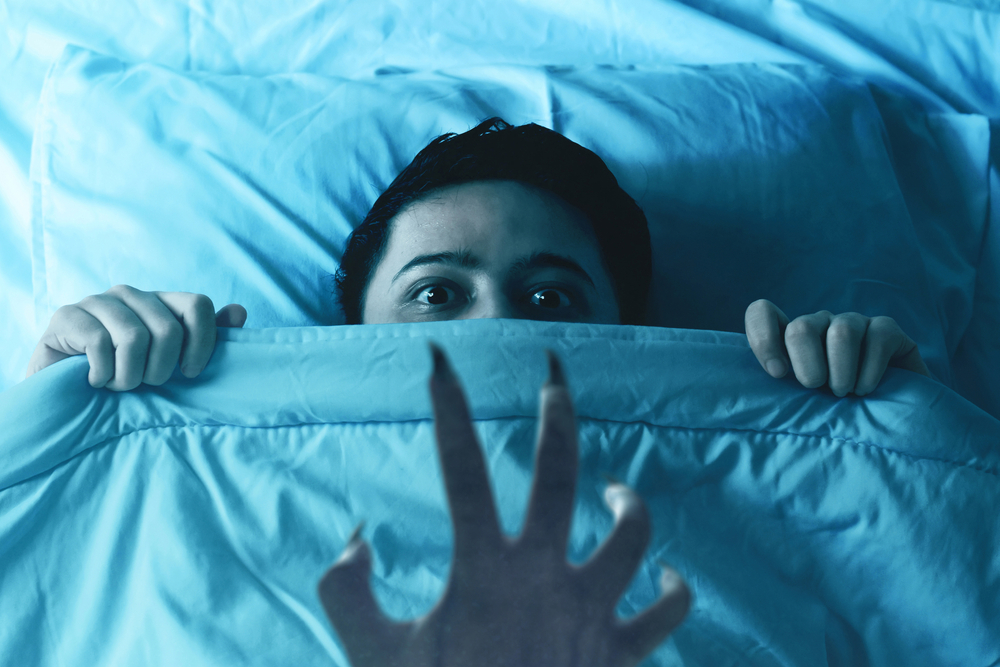
- Intruder hallucinations: sensing a presence in the room, often perceived as threatening.
- Incubus hallucinations: chest pressure combined with choking or suffocating sensations.
- Vestibular-motor hallucinations: floating, flying, or out-of-body experiences.
Is Sleep Paralysis Dangerous?
Medically, sleep paralysis is not considered dangerous. It does not cause brain damage, stop breathing, or harm your heart. The distress comes from the fear triggered by immobility and hallucinations.
However, frequent episodes can disrupt sleep and contribute to:
- Anxiety around bedtime
- Avoidance of sleep
- Poor sleep quality
- Worsening stress, which further increases risk
This creates a cycle where sleep becomes more fragmented, making episodes more likely.
What Triggers Sleep Paralysis?
Sleep paralysis is more likely when sleep becomes unstable, fragmented, or irregular. Contributing factors include:
Sleep disruption
Irregular sleep schedules, shift work, frequent bedtime changes, or jet lag can disturb the timing of REM sleep. Sleep deprivation is a particularly strong trigger.
Mental and emotional stress
Episodes often appear after stressful life events or emotional upheaval. Anxiety disorders, PTSD, bipolar disorder, and panic disorder are also associated with a higher likelihood of episodes.
Sleep disorders
Conditions such as narcolepsy, obstructive sleep apnoea, chronic insomnia, or circadian rhythm disorders often coexist with sleep paralysis.
Lifestyle and medications
Alcohol use, stimulant use and substance use can disrupt REM sleep patterns and increase vulnerability.
Family history
Multiple studies indicate a familial association, suggesting a genetic predisposition in some individuals.
Sleeping position
Sleeping on your back may also make episodes more likely, as this position can increase airway resistance and micro-awakenings during REM.
How Is Sleep Paralysis Diagnosed?
Most people do not require medical tests for sleep paralysis. Diagnosis usually involves a clinical assessment that looks at:
- Sleep habits and schedule
- Frequency and type of episodes
- Mental health history
- Use of medications or substances
- Family history
If a sleep disorder such as narcolepsy or obstructive sleep apnoea is suspected, your doctor may recommend:
- An overnight polysomnography sleep study
- A multiple sleep latency test (MSLT) to measure how quickly you enter REM sleep during daytime naps
These tests help determine whether sleep paralysis is occurring on its own or as part of another sleep disorder.
How to Reduce or Prevent Sleep Paralysis?
While there is no way to stop an episode instantly, many people see improvement by addressing sleep quality and underlying triggers.
Good sleep hygiene plays a central role. This includes:
- Keeping a consistent sleep schedule, even on weekends
- Getting 7–9 hours of sleep regularly
- Creating a cool, dark, quiet sleep environment
- Limiting electronic devices before bed
- Reducing alcohol and caffeine, especially in the evening
- Establishing relaxing pre-bed routines (reading, warm shower, calming music)
If episodes tend to occur when lying on your back, use a body pillow to promote side-sleeping.
Sleep paralysis often occurs alongside other sleep or mental health conditions such as insomnia, anxiety, depression, and narcolepsy. Identifying and treating these issues can significantly reduce episodes. A healthcare provider can assess these disorders and may recommend treatments, including medications like antidepressants in some cases.
Therapies such as CBT-I (Cognitive Behavioural Therapy for Insomnia) can improve sleep quality and reduce nighttime awakenings, which may indirectly lower the risk of sleep paralysis. Some CBT approaches designed specifically for sleep paralysis are being studied, but more evidence is needed.
What Should You Do During an Episode?
While you can’t instantly switch it off, many people find these strategies helpful:
- Remind yourself the sensation is temporary and harmless
- Focus on slow, steady breathing
- Try to initiate small movements such as wiggling a toe or finger
- Avoid resisting or panicking, which can intensify fear
Many people find episodes end more quickly when they stay calm and allow their body to transition out of REM sleep naturally.
When Should You See a Doctor?
Seek medical advice if episodes happen frequently or cause significant anxiety around sleep.
If you feel you feel excessively sleepy during the day or experience sudden sleep attacks or muscle weakness, narcolepsy could be a differential diagnosis.If you snore or gasp in your sleep, sleep apnoea may be suspect.
A healthcare provider or sleep specialist can help identify underlying causes and develop a tailored treatment plan.
Key Takeaway
Sleep paralysis can feel terrifying, but it is not dangerous. It occurs when the brain wakes up before the body has finished REM atonia, creating a temporary disconnect between awareness and movement.
By improving sleep consistency, managing stress, and treating any underlying conditions, most people can greatly reduce how often sleep paralysis occurs and feel far less afraid when it does happen.
If episodes are frequent, disruptive, or emotionally distressing, professional support can make a meaningful difference in restoring confidence and restful sleep.
External References
- Farooq, M., & Anjum, F. (2023). Sleep Paralysis. StatPearls Publishing. Updated September 4, 2023. https://www.ncbi.nlm.nih.gov/books/NBK562322/
- Brooks, P. L., & Peever, J. H. (2008). Unraveling the mechanisms of REM sleep atonia. Nature and Science of Sleep, 10, 355-367. https://pubmed.ncbi.nlm.nih.gov/19226735/
- Denis, D., French, C. C., & Gregory, A. M. (2018). A systematic review of variables associated with sleep paralysis. Sleep Medicine Reviews, 38, 141–157. https://pubmed.ncbi.nlm.nih.gov/28735779/
- Sharpless, B. A. (2016). A clinician’s guide to recurrent isolated sleep paralysis. Neuropsychiatric Disease and Treatment, 12, 1761–1767. https://pubmed.ncbi.nlm.nih.gov/27486325/
- Kaczkurkin, A. N., & Foa, E. B. (2015). Cognitive-behavioral therapy for anxiety disorders: an update on the empirical evidence. Dialogues in clinical neuroscience, 17(3), 337–346. https://pubmed.ncbi.nlm.nih.gov/26487814/

