

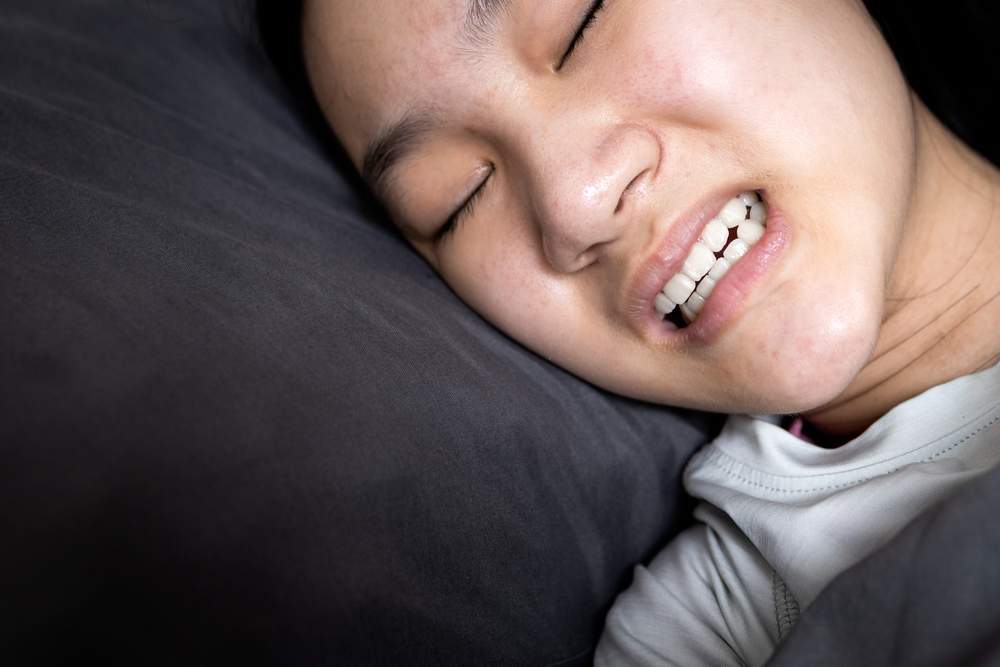
Are you grinding your teeth in your sleep?
Maybe you are waking up with strange headaches each morning, or your spouse is waking you up due to the noise that is coming from your mouth during the night.


This grinding you are doing is slowly killing your oral health and is more serious than you think. Recent studies have shown that there are 22% of adults in the world that are grinding their teeth during their sleep. The good news is that there are many solutions to this one issue, but it is up to you to figure out and take action.
If you wait until serious damage occurs, it might be too late.
What is Teeth Grinding, and Why Does It Happen?
The short answer is that grinding is the involuntary or semi-voluntary contact between your teeth when your jaw muscles contract. This results in your teeth grinding, clenching, and grinding in your sleep or while you are conscious and awake.
The scientific term for this condition is bruxism, and it is the term we are going to use from now on.
The part that people don’t realize is that the force that people apply while grinding their teeth is very serious. It is known that it can range from 200 and 250 psi (pounds of force on each square inch), or 14-17.5 kg/cm² of teeth.
This shows that if a person can crack nuts with this hand, just imagine what can happen to your tooth enamel while grinding your teeth.
Common Causes of Teeth Grinding
The latest study also revealed that people who are drinking more than six cups of coffee are twice as likely to grind their teeth than those that don’t.
The main reason for grinding is stress. But there are other reasons like sleep disorders, misalignment of teeth, and consumption of drugs such as caffeine and alcohol.
If you suffer from chronic stress, anxiety, depression, or have poor sleeping patterns or high caffeine consumption, then you are already grinding your teeth or at the very least, you are at a very high risk of grinding them.
This is why it is crucial for you to learn how to combat teeth grinding and do it fast.
Effect Of Grinding On Teeth
The first thing that people think about while grinding their teeth is tooth wear – but bruxism does far more than wear your teeth down. The damage can go deeper.
Jaw Joint Damage and Pain
Due to grinding your teeth and the forces that are involved, your jaw joint might become a serious problem for you.
Your temporomandibular joints are not meant for that kind of usage. It can cause chronic jaw pain, stiffness of the jaw muscle, and other neck-related issues.
As a result, it can cause lockjaw that can sometimes get so severe that you won’t be able to open your mouth.
Apart from that, the TMJ is directly linked to a part of your brain. This can cause a lot of tension and stress.
The grinding can also lead to a bite misalignment that is a serious issue.
Cavities and Tooth Decay
When you grind your teeth regularly, the protective outer layer of your teeth, or the enamel, begins to wear down. This enamel acts as a barrier against bacteria and acids. Once it thins out, your teeth become far more vulnerable to decay.
Grinding also puts immense pressure on your teeth, which can lead to tiny cracks or fractures. These cracks may not always be visible, but they can create crevices where food particles and bacteria get trapped — making it harder to clean your teeth properly and increasing your risk of cavities.
Loosening Of Teeth and Leads To Tooth Loss
Repeated pressure on the same points can loosen teeth over time – by damaging the periodontal ligaments, and even causing jaw bone loss.
If the root or surrounding bone is compromised, it may lead to tooth loss – requiring expensive treatments such as implants or dentures.
Gum Problems
Bruxism can cause gums to pull back from the teeth, exposing the roots. This not only causes sensitivity and pain but also raises the risk of periodontal disease.
Inflamed gums (gingivitis) can escalate into serious gum infections if left untreated.
Solution to Teeth Grinding
There are effective treatments for teeth grinding. Here’s what to do:
Night Guard (Custom-fit or OTC)
A custom-fitted night guard worn while sleeping is the best defense. It cushions your teeth and absorbs the grinding forces.
Store-bought mouth guards are also effective but less comfortable and protective than custom-made ones.
Stress Relief
As the leading cause of grinding is stress, you must do something about it. Options include:
- Deep breathing exercises before bed
- Daily meditation or yoga
- Cutting back on caffeine after 2PM
- Establishing a relaxing bedtime routine
Sleep Position
Sleep on your back, not on your side or stomach. This relieves pressure on the jaw and helps maintain a more relaxed position during the night.
Consult with a Dentist
If the grinding continues, your dentist may prescribe muscle relaxants, and Botox injections may be another option to try.
The key is to address grinding as soon as possible to prevent further damage. Start with a night guard and stress management and you’ll be on the right track.
Conclusion
Bruxism is not just a harmless sleep quirk.
It can damage your teeth, inflame your gums, misalign your bite, and cause painful jaw disorders. Worst of all, many people are unaware they even do it, until irreversible damage sets in.
Do not wait for your teeth to suffer. Speak to your dentist or doctor if you suspect teeth grinding is affecting you or a loved one. Take action before permanent damage occurs to preserve your oral health and overall wellbeing.

