


Tooth sensitivity can turn everyday habits like drinking coffee into painful experiences. Here is what causes it, how to prevent it, and what treatments actually work.
Would you like to drink your coffee without feeling pain?


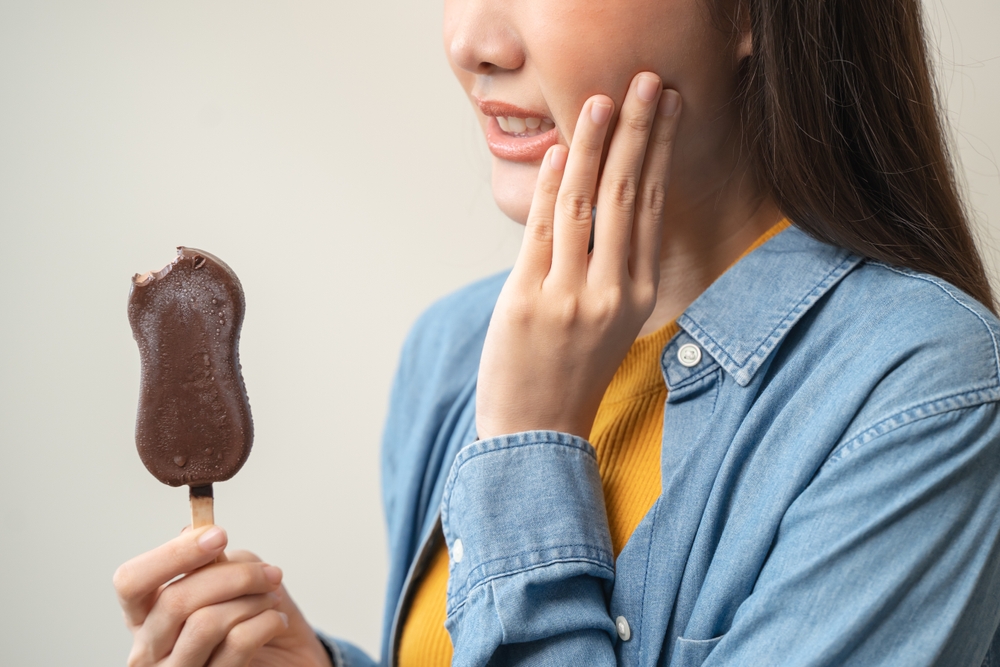
Tooth sensitivity affects billions of people worldwide. It is that sharp stabbing pain you feel when eating something hot or cold – and most people have been there. Perhaps everyday for some unlucky souls out there.
The good news is, tooth sensitivity is extremely preventable. By taking better care of teeth using gentle dental care habits, it is possible to avoid triggering sensitive teeth pain all together.
The damage can actually be reversed to some degree. The first step is understanding what is actually happening inside your teeth.
What Is Tooth Sensitivity?
Tooth sensitivity refers to a sudden, sharp pain of the tooth (or teeth) triggered by certain stimuli. These triggers can include:
- Hot or cold food and drinks
- Sweet foods
- Acidic foods
- Cold wind
- Brushing or flossing teeth
When teeth are exposed to these triggers, you may feel either a sharp pain or sudden ache through your tooth. The discomfort can range from mild to intense, and it often appears suddenly.
Physically speaking, tooth sensitivity occurs when the enamel starts to wear down on your teeth, or your gums start to recede.
Each tooth is protected by a hard outer layer called enamel. Beneath that lies dentine, a softer layer filled with microscopic tubules that connect directly to the nerve of the tooth.
When enamel wears down or gums recede, this dentine becomes exposed.
Once exposed, everyday triggers such as cold water or sugary foods can travel through these tiny channels straight to the nerve, resulting in that sharp, shooting pain. For some, actions as simple as breathing in cold air can suddenly feel uncomfortable!
Globally, oral diseases affect around 3.7 billion people according to the World Health Organization. Studies have also shown that dentine hypersensitivity can affect one in two adults.
This is not a niche issue. It is something most people will encounter at some point in their lives. And that is why practising gentle dental care habits is so important! Not only can it help reverse early signs of tooth sensitivity – but it protects teeth from developing the problem in the first place.
What Causes Tooth Sensitivity in the First Place?
Tooth sensitivity does not happen overnight. It is usually the result of gradual wear and tear, often linked to daily habits.
- Brushing too hard: Using a hard-bristled toothbrush or brushing too vigorously can wear down teeth over time. While it may feel like you are cleaning your teeth more effectively, aggressive brushing can slowly wear down enamel and push gums away from the tooth surface.
- Acidic foods and drinks: Soft drink, fruit juices and even white wine are all extremely acidic and can erode the enamel off teeth over time.
- Teeth grinding: Grinding teeth at night is a huge culprit for sensitivity. Over time, this repeated pressure can weaken and crack enamel. P.S: Many people are unaware they grind their teeth while sleeping!
- Receding gums: Whether due to brushing technique, age, or gum disease, receding gums mean that the sensitive root surfaces of the teeth are exposed.
- Tooth whitening: Like many toothpaste brands, whitening treatments use harsh chemicals that strip teeth or make the enamel more porous. This temporarily increase sensitivity.
- Cracked teeth: Whether from grinding or just an accident, these small cracks expose teeth to heat, cold and other triggers directly.
Preventing Tooth Sensitivity
As mentioned multiple times already – sensitivity can be prevented! Prevention largely comes down to small, consistent habits:
Brush With A Soft Bristle Brush
Switching to a soft-bristled toothbrush is one of the simplest yet most effective changes for your teeth. The soft bristles are much gentler on teeth enamel and gums, preventing them from wearing down from unnecessary abrasion.
Brush Teeth Gently
The right way to brush your teeth is to do so gently in a circular motion, not in an aggressive back and forth motion like most people are taught (which actually strip teeth of its enamel).
Dietary Awareness
As mentioned, acidic foods and drinks are bad news for enamel. But did you know that sugar is too? In that vein, limiting acidic and sugary foods helps protect enamel.
If you do consume them, it is advisable to wait about 30 minutes before brushing. Acid temporarily softens enamel, and brushing too soon can accelerate damage.
Use Fluoride Toothpaste
Need another reason to use fluoride toothpaste? It helps strengthen enamel. Fluoride helps remineralise the tooth surface, making it more resilient to daily wear.
Get A Mouthguard If Needed
If you tend to grind your teeth at night – buy a mouthguard. They help protect enamel from the pressure of grinding.
What Are My Treatment Options For Sensitive Teeth?
If sensitivity is already present, there are several ways to manage and treat it.
First things first, see your dentist! They will be able to provide you with the appropriate treatments available for your condition. In the meantime, you may also try:
- Desensitising toothpaste: These products work by blocking the transmission of pain signals from the tooth surface to the nerve. With regular use, many people notice improvement within a few weeks, and help with mild to moderate sensitivity.
- Fluoride treatment: Your dentist can administer a fluoride treatment on teeth. This helps strengthen enamel and reduce pain.
- Bonding: If teeth have been exposed, your dentist can put a bonding resin over that area. This creates a protective layer between external triggers and exposed dentine.
- Gum grafting: If gum recession is significant, a gum graft may be considered. This procedure covers exposed root surfaces and provides longer-term relief.
- Root canal: For severe or persistent cases, root canals help sever the nerve of the teeth. It is usually considered only when other treatments have not worked.
Final Thoughts
Simple dental care habits can prevent and treat sensitive teeth. However, if your tooth sensitivity is persistent, worsening, or affecting your daily life, it is worth seeking professional advice.
Sensitivity can sometimes signal underlying issues such as tooth decay, gum disease, or cracks that require treatment beyond home care.
The longer you wait, the worse symptoms will get. Early assessment can prevent more complex and invasive procedures later on.
Here are the takeaways to remember from this article:
- Stay away from foods / drinks that can cause enamel to erode
- Brush teeth with a soft-bristled brush
- Take your time when brushing teeth (don’t scrub)
- Cut out as much acidic foods from your diet as possible
- See your dentist!

