


From eggs to congee, breakfast habits shape energy, blood sugar, and hunger all day. Here are four healthy asian breakfast foods to incorporate into your menus in 2026 – without abandoning your favourite classic comfort staples.
A new year often brings renewed intentions around health, and breakfast is usually the first habit people look to change. Yet many breakfast choices are shaped less by nutrition and more by routine, culture, or convenience.


In Asia, breakfast ranges from soft-boiled eggs and kaya toast to bowls of congee, sweet potatoes, or a quick yoghurt before work. Some feel light and comforting. Others feel heavy but filling. The question you have have is: Which breakfasts is good for me?
What that means is – what breakfast foods can actually support energy, fullness, and my metabolic health?
To answer this question, first we must understand what keeps blood sugar steady, prevents mid-morning hunger, and thereby supports long-term health. This information is especially important (and useful to know) as rates of diabetes and metabolic disease continue to rise across the region!
Here are four healthy asian breakfast foods that do just that, when eaten with intention.
1. Eggs – All Ways
Eggs remain one of the most nutritionally complete breakfast foods available. They provide high-quality protein, healthy fats, and essential nutrients that support muscle maintenance, brain function, and satiety.
From a metabolic standpoint, protein at breakfast plays a critical role in stabilising blood sugar and reducing hunger later in the day. Compared to carbohydrate-heavy breakfasts, eggs are far more likely to keep people fuller for longer.
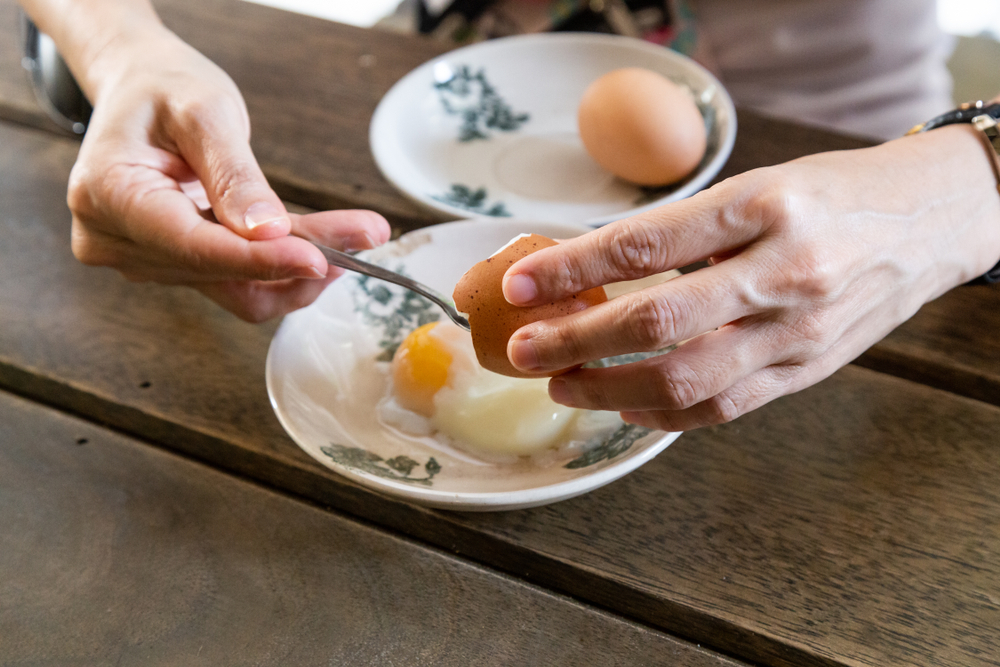
In Asian households, eggs already appear in many forms: think soft-boiled with soy sauce, omelettes, tea eggs, or added into soups and noodles. Try not to fry it in large amounts of oil (a la Economy Rice stalls) to reduce unnecessary fat intake; and pair it with some slow-digesting carbohydrates for the energy to last you all morning.
For people trying to manage weight, energy crashes, or frequent snacking, eggs are often one of the easiest upgrades to make.
2. Rice Porridge/Congee
Rice porridge, or congee, is one of the most misunderstood breakfast foods in Asia. It is widely viewed as light, healthy, and gentle on digestion, and in certain contexts, that is true.
However, plain congee is mostly refined carbohydrate diluted with water. On its own, it contains very little protein or fibre, which means it can spike blood sugar quickly and leave people hungry again within hours.
This does not mean congee should be avoided – it actually means it can be built into a well-rounded meal!
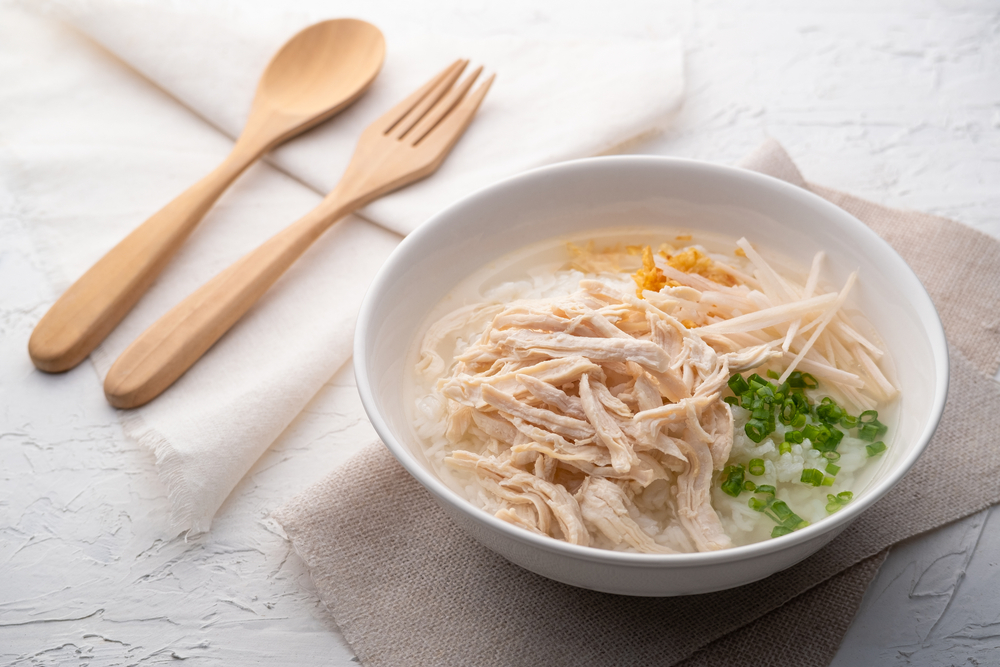
Adding eggs, shredded chicken, fish, tofu, or vegetables transforms congee from a comfort food into a balanced meal. Using less water to create a thicker texture for mouth feel and improved satiety, while using more water can help to increase your fluid intake and increase food volume if you are managing your calorie intake.
If you are feeling adventurous, try to add some brown rice to your porridge too to give it an interesting texture and additional fibre.
3. Steamed Sweet Potatoes
Steamed sweet potatoes have quietly sustained generations across Asia, yet they are often overlooked in modern nutrition conversations.
Compared to white bread or refined rice products, sweet potatoes provide more fibre and a slower release of energy. This helps reduce sharp blood sugar spikes and prolong fullness.
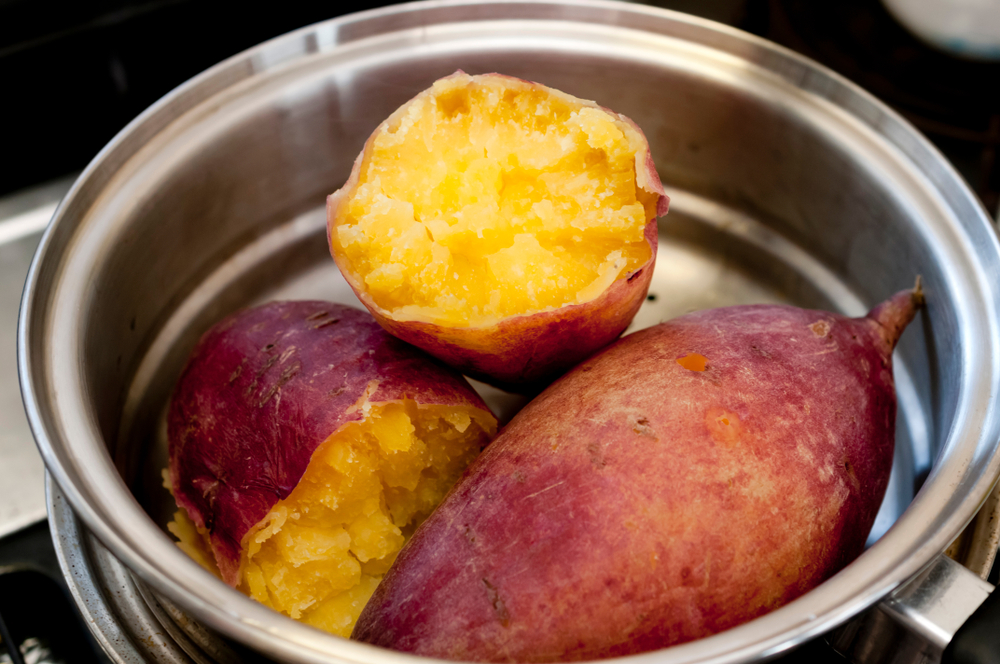
Their natural sweetness also reduces the need for added sugar, making them a useful option for people trying to reset their eating habits in the new year.
On their own, they are still primarily carbohydrate. Paired them with a side of protein like eggs or tofu to make a yummy breakfast that will keep you going til lunchtime.
4. Tofu and Soy-Based Breakfasts
Tofu is often reserved for lunch or dinner, yet it works remarkably well at breakfast. It provides plant-based protein that is easy to digest and naturally low in saturated fat.
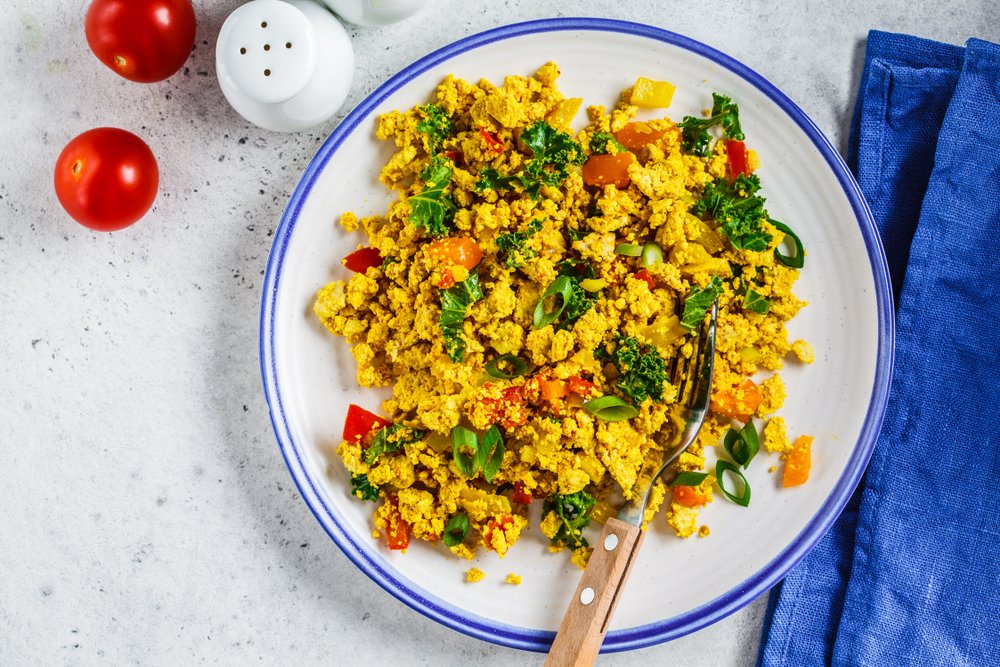
Simple preparations: steamed tofu with soy sauce and sesame oil, tofu scramble, or tofu added to light soups et cetera are common in many Asian cuisines, even if they are not consciously framed as “breakfast foods”.
Avoid deep-frying and go for steamed or stir-fried cooking methods to keep the dish wholesome.
For people reducing meat intake or seeking variety, tofu offers a protein-rich alternative that supports fullness without heaviness.
Focusing on Breakfast Composition
Meals that rely heavily on refined carbohydrates (think pancakes, cereal) tend to cause faster rises in blood sugar, followed by energy dips and increased hunger. Over time, this pattern contributes to insulin resistance, weight gain, and metabolic strain.
A well-balanced breakfast does not need to be elaborate or expensive, and healthy eating does not require abandoning familiar foods or following extreme rules. Rather, look at building your unique healthy asian breakfast menus with your favourite foods while prioritising protein, fibre, and micronutrients.
As 2026 begins, small, intentional changes at breakfast may be one of the simplest ways to support better health all year long. Happy eating!

