

Is your metabolism slowing down — and making it harder to lose weight?
When it comes to weight management, metabolism is a core contributing component.


It is your body’s invisible engine, converting food and drinks into energy that does not just fuel your workouts, but enables basic functions, like blood circulation and breathing, to keep running.
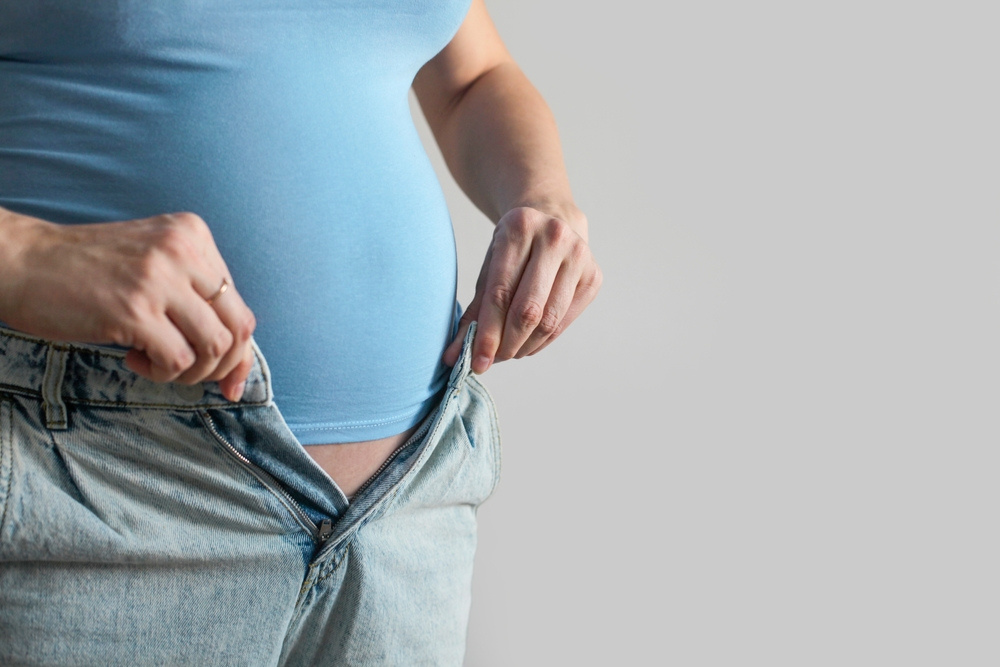
But if you have noticed your waistline has been inexplicably expanding and thought, “My metabolism really is not what it used to be,” then maybe that engine is starting to idle.
How to Tell if Your Metabolism Is Slowing Down
When your metabolism slows, it means your body is not burning calories as efficiently as it used to, and it has subtle ways for letting you know when it is not firing on all cylinders.
Difficulty Losing Weight
It is well-known that weight is associated with metabolism. So, when you hear people complain about their metabolism, it is often in response to self-consciousness regarding their weight gain, and their inability to shed it despite little change in their diet or activity levels.
This is because when there is a slowdown in your metabolism, your body burns fewer calories, with the excess from your food intake ending up stored as fat. This can definitely make it more challenging for you to maintain a healthy weight.
Greater Fatigue
Do you feel tired all the time, but do not know why? Your metabolism could be the cause.
When it slows, not as much energy gets converted, leading you to feel more groggy and even listless during the day.
Skin, Hair and Nail Changes
Having a slow metabolism affects your body on a cellular level too.
When energy production is compromised, cells do not regenerate as quickly, and this can be reflected in the health of your hair, skin and nails. For instance, you may notice your hair thinning, your nails becoming brittle, or your skin losing its elasticity.
Gastrointestinal Issues
Digestion, which is the process of breaking down food, is closely tied to metabolism, and can be affected by the latter.
A slower metabolism can lead to food being stuck longer in the gastrointestinal tract, resulting in digestive issues such as bloating, constipation, and diarrhoea.
Often Feeling Cold
If temperatures have not dropped, but you are still feeling the chill, that might be a symptom of a sluggish metabolism.
Metabolic processes generate heat, but when it slows, you may find that your body has problems with temperature regulation, causing you to feel colder than those around you even in comfortable environments.
What Contributes to a Slower Metabolism?

Metabolism is influenced by age, stress and sex. However, lifestyle choices can also have a significant impact: meaning that you might be unintentionally sabotaging yourself.
What are some common lifestyle-related mistakes we have been committing that can affect our metabolic health?
Restricting Our Caloric Intake
People often assume that eating less is good for weight loss, and while a calorie deficit can be supportive for weight management, constantly under-eating can have an undesirable effect.
Essentially, your body senses the scarcity and adapts by slowing its metabolic rate to help conserve energy. Over time, this makes it easy to gain weight and harder to lose it.
Not Eating Enough Protein
Eating protein does not just help you feel full: it also has a high thermic effect, meaning that your body burns more calories digesting protein compared to fats or carbs. Furthermore, our metabolic rate slows down when we are trying to lose weight, but research suggests that a higher protein consumption can help minimise this effect.
However, if your diet is low in protein, your body just is not going to burn off the calories as quickly.
A Sedentary Lifestyle
Many of us are students or office workers whose daily life involves a lot of sitting, and if we do not participate in much exercise, we are obviously burning off very little calories in general.
In addition, strength training builds muscles that are more effective at burning calories in comparison to fat, even at rest, and its influence is resistant to age.
“One unit of muscle will consume the same amount of energy whether you’re 20 years old or 60 years old,” revealed Dr Benjamin Lam, the Clinical Director of Khoo Teck Puat Hospital’s Integrated Care for Obesity & Diabetes clinic, in CNA.
So if you are not engaging in any workouts, you will be missing out on one of the best natural boosters of metabolism.
Insufficient Sleep
Sleep is crucial to overall wellbeing, and not catching enough hours of rest can disrupt the hormones that help regulate your metabolism. Moreover, it will not just lead to a higher chance of gaining weight, but it will also increase your risk of developing conditions such as diabetes or heart disease.
Reigniting Our Metabolic Engine

The good news? Our metabolism is not fixed.
There are, in fact, several methods for helping you progressively raise your metabolic rate, including:
A Nutritious Diet
Ensure your calorie consumption is enough to support your activity levels. Your meals should be rich with whole foods, and high in proteins such as lean meats, eggs, and legumes.
And while the occasional dieting is fine, do not eat too little for too long if you want to keep your metabolism steady.
Regular Exercise
The most sustainable way to maintain weight does not just involve mindful eating: you also need a consistent workout routine.
In particular, interval training and resistance training can prove useful for boosting metabolism by supporting muscle development and improving endurance.
Consistent, Quality Sleep
Those who are sleep-deprived may not feel as full after a meal, and do not metabolise its fat as well, so be sure to make sleep a priority.
Aim for about 7-9 hours of slumbering each night, and follow sleep hygiene practices to improve sleep quality.
Remember that metabolism is not just about burning calories: it is about how well your body produces and uses energy.
While these lifestyle adjustments will not lead to any progress overnight, the point is to build habits that create conditions for your metabolism to thrive.
Read More
- Is Your Dad Bod a Health Risk?
- 3 Ways to Curb Overweight and Obesity
- Is Calorie Counting Hurting Your Happiness?
External References
- Cleveland Clinic. (2024, November 20). Metabolism. Retrieved from: https://my.clevelandclinic.org/health/body/21893-metabolism
- Khoo, B.K. (2023, November 24). Middle-age spread: Why does it happen in your 40s and how can you lose the extra kilos? CNA. Retrieved from: https://cnalifestyle.channelnewsasia.com/wellness/middle-age-weight-loss-fat-metabolism-hormones-378971
- Lee, A.R. (2025, August 6). 6 Ways Your Body Tells You Your Metabolism Is Slowing Down. Verywell Health. Retrieved from: https://www.verywellhealth.com/slow-metabolism-symptoms-11772756
- Mayo Clinic Staff. (2022, October 8). Metabolism and weight loss: How you burn calories. Mayo Clinic. Retrieved from: https://www.mayoclinic.org/healthy-lifestyle/weight-loss/in-depth/metabolism/art-20046508
- Mutchler, C. (2025, January 7). 7 Subtle Signs Your Metabolism Is Slowing and How To Change It. Health. Retrieved from: https://www.health.com/subtle-signs-your-metabolism-is-slowing-8764000
- Osborn, C.O. (2023, May 30). How Do Muscle and Fat Affect Weight? Healthline. Retrieved from: https://www.healthline.com/health/does-muscle-weigh-more-than-fat
- Spritzler, F. (2025, May 20). 6 Mistakes That Slow Down Your Metabolism. Healthline. Retrieved from: https://www.healthline.com/nutrition/6-mistakes-that-slow-metabolism
When it comes to weight management, metabolism is a core contributing component.
It is your body’s invisible engine, converting food and drinks into energy that does not just fuel your workouts, but enables basic functions, like blood circulation and breathing, to keep running.
But if you have noticed your waistline has been inexplicably expanding and thought, “My metabolism really is not what it used to be,” then maybe that engine is starting to idle.
How to Tell if Your Metabolism Is Slowing Down
When your metabolism slows, it means your body is not burning calories as efficiently as it used to, and it has subtle ways for letting you know when it is not firing on all cylinders.
Difficulty Losing Weight
It is well-known that weight is associated with metabolism. So, when you hear people complain about their metabolism, it is often in response to self-consciousness regarding their weight gain, and their inability to shed it despite little change in their diet or activity levels.
This is because when there is a slowdown in your metabolism, your body burns fewer calories, with the excess from your food intake ending up stored as fat. This can definitely make it more challenging for you to maintain a healthy weight.
Greater Fatigue
Do you feel tired all the time, but do not know why? Your metabolism could be the cause.
When it slows, not as much energy gets converted, leading you to feel more groggy and even listless during the day.
Skin, Hair and Nail Changes
Having a slow metabolism affects your body on a cellular level too.
When energy production is compromised, cells do not regenerate as quickly, and this can be reflected in the health of your hair, skin and nails. For instance, you may notice your hair thinning, your nails becoming brittle, or your skin losing its elasticity.
Gastrointestinal Issues
Digestion, which is the process of breaking down food, is closely tied to metabolism, and can be affected by the latter.
A slower metabolism can lead to food being stuck longer in the gastrointestinal tract, resulting in digestive issues such as bloating, constipation, and diarrhoea.
Often Feeling Cold
If temperatures have not dropped, but you are still feeling the chill, that might be a symptom of a sluggish metabolism.
Metabolic processes generate heat, but when it slows, you may find that your body has problems with temperature regulation, causing you to feel colder than those around you even in comfortable environments.
What Contributes to a Slower Metabolism?
Metabolism is influenced by age, stress and sex. However, lifestyle choices can also have a significant impact: meaning that you might be unintentionally sabotaging yourself.
What are some common lifestyle-related mistakes we have been committing that can affect our metabolic health?
Restricting Our Caloric Intake
People often assume that eating less is good for weight loss, and while a calorie deficit can be supportive for weight management, constantly under-eating can have an undesirable effect.
Essentially, your body senses the scarcity and adapts by slowing its metabolic rate to help conserve energy. Over time, this makes it easy to gain weight and harder to lose it.
Not Eating Enough Protein
Eating protein does not just help you feel full: it also has a high thermic effect, meaning that your body burns more calories digesting protein compared to fats or carbs. Furthermore, our metabolic rate slows down when we are trying to lose weight, but research suggests that a higher protein consumption can help minimise this effect.
However, if your diet is low in protein, your body just is not going to burn off the calories as quickly.
A Sedentary Lifestyle
Many of us are students or office workers whose daily life involves a lot of sitting, and if we do not participate in much exercise, we are obviously burning off very little calories in general.
In addition, strength training builds muscles that are more effective at burning calories in comparison to fat, even at rest, and its influence is resistant to age.
“One unit of muscle will consume the same amount of energy whether you’re 20 years old or 60 years old,” revealed Dr Benjamin Lam, the Clinical Director of Khoo Teck Puat Hospital’s Integrated Care for Obesity & Diabetes clinic, in CNA.
So if you are not engaging in any workouts, you will be missing out on one of the best natural boosters of metabolism.
Insufficient Sleep
Sleep is crucial to overall wellbeing, and not catching enough hours of rest can disrupt the hormones that help regulate your metabolism. Moreover, it will not just lead to a higher chance of gaining weight, but it will also increase your risk of developing conditions such as diabetes or heart disease.
Reigniting Our Metabolic Engine
The good news? Our metabolism is not fixed.
There are, in fact, several methods for helping you progressively raise your metabolic rate, including:
A Nutritious Diet
Ensure your calorie consumption is enough to support your activity levels. Your meals should be rich with whole foods, and high in proteins such as lean meats, eggs, and legumes.
And while the occasional dieting is fine, do not eat too little for too long if you want to keep your metabolism steady.
Regular Exercise
The most sustainable way to maintain weight does not just involve mindful eating: you also need a consistent workout routine.
In particular, interval training and resistance training can prove useful for boosting metabolism by supporting muscle development and improving endurance.
Consistent, Quality Sleep
Those who are sleep-deprived may not feel as full after a meal, and do not metabolise its fat as well, so be sure to make sleep a priority.
Aim for about 7-9 hours of slumbering each night, and follow sleep hygiene practices to improve sleep quality.
Remember that metabolism is not just about burning calories: it is about how well your body produces and uses energy.
While these lifestyle adjustments will not lead to any progress overnight, the point is to build habits that create conditions for your metabolism to thrive.
Read More
- Is Your Dad Bod a Health Risk?
- 3 Ways to Curb Overweight and Obesity
- Is Calorie Counting Hurting Your Happiness?
External References
- Cleveland Clinic. (2024, November 20). Metabolism. Retrieved from: https://my.clevelandclinic.org/health/body/21893-metabolism
- Khoo, B.K. (2023, November 24). Middle-age spread: Why does it happen in your 40s and how can you lose the extra kilos? CNA. Retrieved from: https://cnalifestyle.channelnewsasia.com/wellness/middle-age-weight-loss-fat-metabolism-hormones-378971
- Lee, A.R. (2025, August 6). 6 Ways Your Body Tells You Your Metabolism Is Slowing Down. Verywell Health. Retrieved from: https://www.verywellhealth.com/slow-metabolism-symptoms-11772756
- Mayo Clinic Staff. (2022, October 8). Metabolism and weight loss: How you burn calories. Mayo Clinic. Retrieved from: https://www.mayoclinic.org/healthy-lifestyle/weight-loss/in-depth/metabolism/art-20046508
- Mutchler, C. (2025, January 7). 7 Subtle Signs Your Metabolism Is Slowing and How To Change It. Health. Retrieved from: https://www.health.com/subtle-signs-your-metabolism-is-slowing-8764000
- Osborn, C.O. (2023, May 30). How Do Muscle and Fat Affect Weight? Healthline. Retrieved from: https://www.healthline.com/health/does-muscle-weigh-more-than-fat
- Spritzler, F. (2025, May 20). 6 Mistakes That Slow Down Your Metabolism. Healthline. Retrieved from: https://www.healthline.com/nutrition/6-mistakes-that-slow-metabolism

