

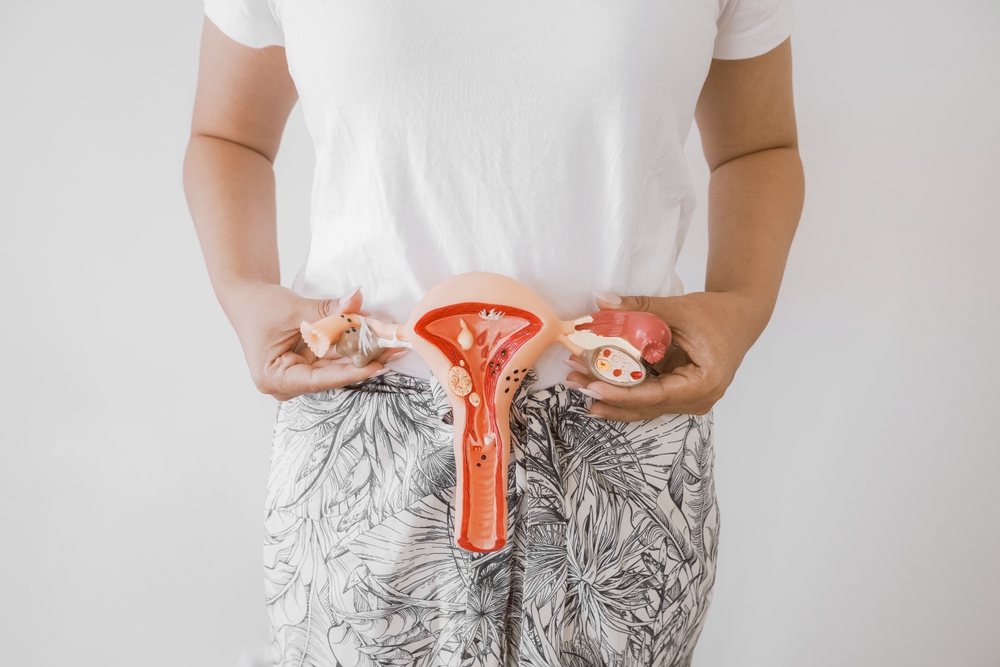
Polycystic Ovary Syndrome (PCOS) has been renamed Polyendocrine Metabolic Ovarian Syndrome (PMOS) to reflect its wider hormonal, metabolic, ovarian, skin, fertility, and mental health impact. Here is what the change could mean for diagnosis and treatment.
For years, many people with polycystic ovary syndrome have lived with a condition whose name never quite matched their reality.


Some were told it was mainly about ovarian cysts. Some were told to lose weight before their symptoms were taken seriously. Others only received a diagnosis after years of irregular periods, acne, excess facial hair, fertility concerns, or unexplained metabolic changes.
Now, the condition has a new name: polyendocrine metabolic ovarian syndrome, or PMOS.
The change was announced in a global consensus process published in The Lancet in May 2026. The renaming process involved 56 leading academic, clinical, and patient organisations, as well as global surveys involving more than 14,000 people with PCOS and multidisciplinary health professionals.
At first glance, the change may look like a simple “rebrand”. In practice, its significance is much more: a shift away from seeing the condition as mainly an ovarian or fertility issue, towards recognising it as a lifelong hormonal and metabolic condition that can affect multiple parts of the body.
Why Was PCOS Renamed PMOS?
The old name, polycystic ovary syndrome (PCOS), has long been criticised for being misleading.
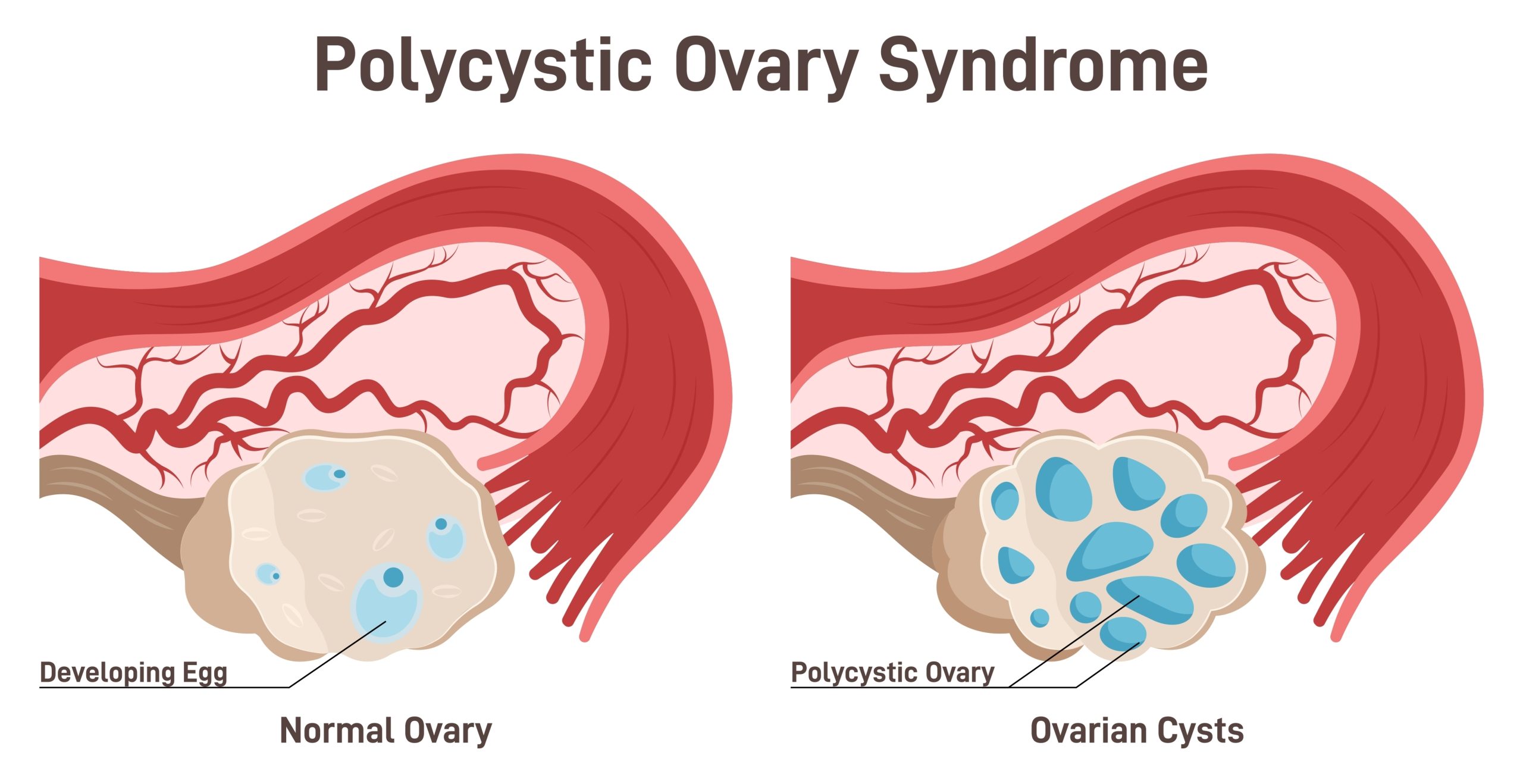
The word “polycystic” suggests that ovarian cysts are central to the condition. However, experts have pointed out that the so-called “cysts” are not true cysts in the way many people imagine. They are usually small follicles seen on ultrasound, and not everyone with the condition has them. Some people may also have polycystic-looking ovaries without having the syndrome.
This matters because names shape how people understand disease. If the name points mainly to the ovaries, patients and clinicians may overlook the wider picture.
PMOS was chosen to better reflect the condition’s broader biology.
- “Polyendocrine” points to the involvement of multiple hormonal systems
- “Metabolic” highlights links with insulin resistance, weight changes, dysglycaemia, type 2 diabetes, cardiovascular risk factors, and other metabolic concerns
- “Ovarian” remains in the name because ovarian dysfunction, ovulation issues, and fertility concerns are still important parts of the condition.
The consensus group said the new name was selected based on principles such as scientific accuracy, clarity, avoidance of stigma, cultural appropriateness, and feasibility of implementation. This transition is expected to happen gradually over three years, with education and alignment across health systems, clinical guidelines, and disease classification.
What Does PMOS Actually Mean?
PMOS stands for polyendocrine metabolic ovarian syndrome.
In simpler terms, it describes a condition involving multiple hormonal pathways, metabolic health, and ovarian function.
This is important because the condition can look very different from person to person. One person may mainly struggle with irregular periods and acne. Another may seek help for infertility. Someone else may be more affected by weight gain, insulin resistance, anxiety, low mood, or excessive hair growth.
The new name reflects what many researchers and patients have been saying for years: this is not just about the ovaries.
PMOS can involve reproductive features such as irregular menstrual cycles, ovulation problems, infertility, pregnancy complications, and endometrial health risks. It can also involve metabolic features such as insulin resistance, dysglycaemia, type 2 diabetes risk, high blood pressure, abnormal cholesterol levels, fatty liver disease, cardiovascular risk, and sleep apnoea. Skin and hair symptoms may include acne, hair thinning, and hirsutism. Mental health concerns, including anxiety, depression, poor quality of life, and eating disorders, are also recognised in clinical guidance.
Can PMOS Change The Stigma of PCOS?
Comment
by
u/CUAnschutzMed from discussionin
science
Many people with PCOS have described feeling dismissed, blamed, or reduced to their weight or fertility status. The old name may also have caused confusion, especially when patients were told they had PCOS despite not having obvious cysts.
By naming the endocrine and metabolic aspects directly, PMOS may help validate symptoms that were previously treated as separate or secondary. It also makes the condition easier to explain: this is a hormonal and metabolic syndrome that can affect the ovaries, skin, periods, fertility, weight, and long-term health.
How Will This Change Diagnosis?
For now, the diagnostic criteria are not expected to change drastically or immediately.
According to the international guideline criteria, adults are diagnosed after other relevant disorders are excluded and at least two of the following are present: irregular or absent ovulation, clinical or biochemical hyperandrogenism, and polycystic ovarian morphology on ultrasound or elevated anti-Müllerian hormone. For adolescents, the diagnosis requires both irregular ovulation and hyperandrogenism, as ovarian ultrasound findings can be less reliable in this age group.
In practical terms, a patient should not assume that a previous PCOS diagnosis is invalid just because the name has changed. PMOS is the new term for the same condition, not a separate disease.
However, the name change may influence how doctors approach diagnosis. Instead of focusing too heavily on ultrasound findings or fertility concerns, clinicians may be encouraged to look more carefully at the full picture: menstrual history, androgen-related symptoms, metabolic risk, mental health, family history, and long-term health needs.
This could be especially important for people who do not fit the stereotypical image of PCOS. Not everyone with the condition has weight gain; nor trying to conceive. Not everyone has obvious acne or facial hair. A more accurate name may help reduce missed or delayed diagnoses.
What Does PMOS Mean for Treatment?
The name change does not introduce a new treatment pathway overnight. There is still no one-size-fits-all cure for PMOS.
Instead, treatment should be tailored to the person’s symptoms, priorities, age, fertility plans, metabolic risk, and mental health needs.
- Concerns of irregular periods: Doctors may discuss cycle regulation and endometrial protection
- Acne or excess hair growth: Treatment focus on androgen-related symptoms.
- For someone trying to conceive, ovulation induction or fertility support may be considered.
- Insulin resistance, metabolic risk, lifestyle support and medications such as metformin may be discussed where appropriate.
Hormonal contraceptives, anti-androgen medicines, weight management support, fertility treatment, psychological care, and screening for diabetes or cardiovascular risk may all form part of care, depending on the individual.
The shift to PMOS may push healthcare systems to treat the condition as a multisystem disorder, and that could mean more coordinated care between general practitioners, gynaecologists, endocrinologists, dermatologists, dietitians, mental health professionals, and fertility specialists. It could also encourage earlier screening for metabolic risks, rather than waiting until complications appear.
What Happens Next?
If you have already been diagnosed with PCOS, you can think of PMOS as the updated name for the same condition – there is no need to get diagnosed again for PMOS.
However, it may be worth using this time to review your care plan with your doctor. Ask whether you need screening for blood sugar, cholesterol, blood pressure, sleep issues, mental health concerns, or endometrial health, especially if you have been experiencing any concerning symptoms. If fertility is a concern, ask about referrals and possible treatment options.
If you suspect you may have PMOS, do not rely only on whether an ultrasound shows “cysts”. Irregular periods, signs of high androgen levels, metabolic changes, and other symptoms should be assessed properly.

