

ChatGPT, while highly knowledgeable, isn’t the best therapist – but as a supplementary tool to traditional therapy, it can be a valuable assistant for psychiatrists and patients.
Technology permeates almost every aspect of our lives, from mapping directions and grocery shopping, to gossiping with our nearest and dearest.


So it is no surprise to hear that it even has a role to play in mental wellness.
The concept of ChatGPT therapy – using ChatGPT or other AI chatbots for mental health assistance – is becoming more common.
But can a machine truly provide the support and empathy our complex psyche requires?
Why People Are Turning to Chatgpt for Mental Health Support
Their ability to help us manage our mental health concerns, which can ripple out into enhanced wellbeing, improved productivity, and even happier communities, makes therapists and other mental health professionals providers of public benefits.
However, they are not always available to us when we need them.
For those looking to book an appointment with a psychiatrist or counsellor, they’ll see that therapy isn’t quite the most affordable service. Adding to the problem is the high chance that they’ll have to contend with long waiting times.

But with ChatGPT, help is available 24/7, and doesn’t come with such a hefty price tag.
“With the cost of living going up, we all want to try to save money and, at your fingertips, in the comfort of your bedroom or lying in your bed using your mobile phone, it can be accessible,” acknowledged Dr David Teo, a psychiatrist and Deputy Medical Director at Connections MindHealth.
There is also the expectation of speed.

“And I think because maybe we expect the speed of delivery of advice, of a diagnosis even to be very quick now – we all want instant gratification. So, you don’t have to wait to see a doctor, you don’t have to wait to tell your story,” added Dr Jared Ng, Medical Director and fellow psychiatrist at Connections MindHealth .
And when it comes to discussing sensitive topics anonymously, you definitely get the advantage of privacy with ChatGPT – and this can be the first step in overcoming the shame attached to any thoughts or feelings that need to be let out. At the very least, you may feel more comfortable divulging your personal struggles to a neutral entity without the fear of being judged or misunderstood.
Benefits of Using ChatGPT For Therapy
Mental health support has ripple effects beyond the individual. When people are better supported emotionally, it can translate into improved relationships, productivity, and overall wellbeing within families and communities.
AI chatbots can help users:
- Clarify what they are feeling
- Learn basic coping strategies
- Track mood or behavioural patterns
- Prepare questions for their doctor
For those waiting for therapy or between sessions, this support can feel meaningful. In that sense, ChatGPT is not replacing therapy, but filling gaps that currently exist.
However, psychiatrists are clear that these benefits come with important limitations.
What ChatGPT Cannot Replace
Sure, AI can stimulate conversations and even provide general advice and reflections. However, it cannot empathise with our situation, or truly understand the nuances of human behaviour, both of which can be offered by therapists. Furthermore, they also challenge us to work through our psychological blocks, and are truly invested in helping us become better, healthier people.
Moreover, AI doesn’t always give us the most accurate of results, regardless of how much information it has in its memory bank.
AI tools rely heavily on how users describe themselves. If key details are missing, misunderstood, or framed inaccurately, the output can be misleading. Unlike clinicians, ChatGPT cannot probe further or observe behaviour to clarify what is really happening.
“I remember a patient coming to see me and telling me that she had bipolar disorder, but it turned out that it was ADHD,” said Dr Ng.
And while we can explain the struggles we are aware of to ChatGPT, a lot more can brew under the surface. Mental health issues are multifaceted structures, and the subtle clues they bring out are better understood by professionals.
“One of the things that’s important to me at least is the non-verbal cues and the things that we see,” highlighted Dr Ng. “I think when we talk about mental state examinations, we don’t just talk to the patients, we also describe the patient.”
“I remember having to document the patient having a certain smell, looking a certain way, being unkempt.”
Dr Teo agreed, stating: “I think it’s not just the appearance or the smell, but sometimes, you know, there’s something about just the feeling – the mood in the room, the atmosphere. It’s not just about the verbal or spoken.”
These subtleties can signal risk, deterioration, or unspoken distress. AI, no matter how advanced, cannot observe silence, tension, or emotional incongruence.
The Present State: Not AI Therapy, But AI-Assisted Therapy
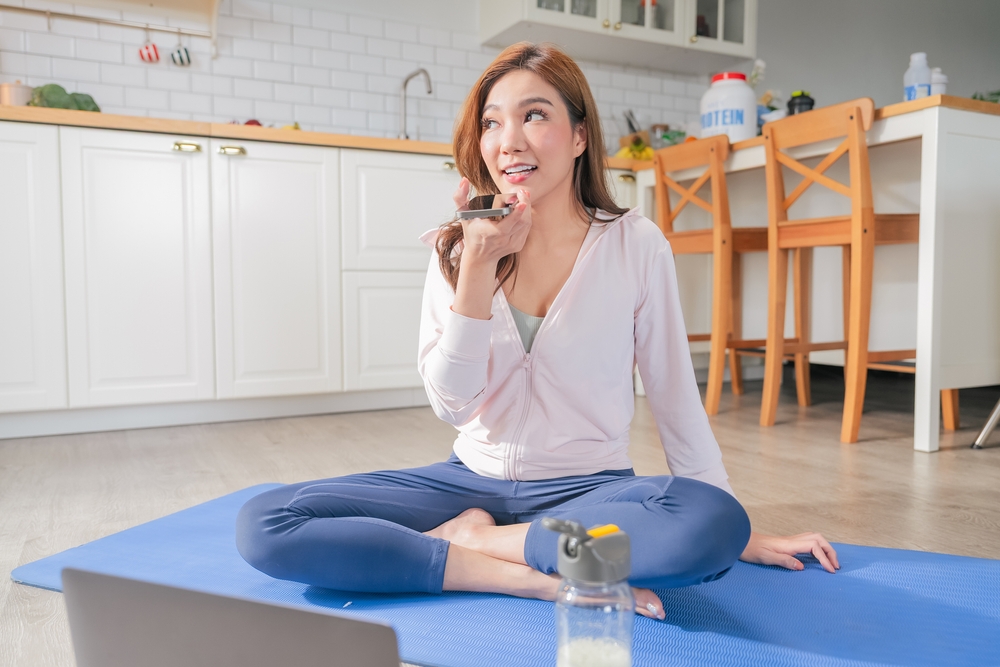
Despite its limitations, ChatGPT can still be a valuable supplementary tool for traditional therapy, allowing patients more access to information on their condition, and offering strategies to help them cope.
“I think one thing that they can’t replace psychiatrists in a sense is that they can’t prescribe medication,” Dr Ng remarked. “But having said that, I do know that a lot of patients use ChatGPT or other AI to suggest what medication they could benefit from, and I certainly welcome the patients to discuss it with me.”
Used transparently, AI can help patients feel more engaged in their care. It can also reinforce therapeutic work between sessions.
“I have some patients, they actually use ChatGPT and some of the AI chatbots to do their homework. I thought it’s quite good at tracking their improvement and their deterioration in the homework.”
Ultimately, both doctors agree that ChatGPT and large language models, if used responsibly, can work as a “co-therapist”.
“It complements our work. It’s not actually a competitor,” Dr Teo asserted.
“AI is here to stay and I think it’s important that we embrace it, really.”
And as technology and mental health care continue to evolve, we may discover even more ways that AI can help tend our minds. The future of mental wellness isn’t about choosing between technology or humans, but about unveiling how both can work together to better enhance our lives.
Read More
- Are AI Chatbots Changing Healthcare for Better or Worse?
- How AI Is Being Used to Combat Mental Health Issues in Malaysia
- 5 Medical AI Tools That Are Changing Doctors’ Daily Work
External References
- Hennessy, M. (2023, February 20). Commentary: Could AI like ChatGPT replace human counsellors and therapists? CNA. Retrieved from: https://www.channelnewsasia.com/commentary/ai-mental-health-chatbot-workplace-wellbeing-therapy-effective-safe-3255881
- Huckabee, M. (2025, November 4). Can AI Therapy Replace a Real Therapist? Psychology Today. Retrieved from: https://www.psychologytoday.com/sg/blog/practical-tools-for-nurturing-relationships/202511/can-ai-therapy-replace-a-real-therapist
- Miller, R. (2025, July 24). Is ChatGPT a Therapist’s Best Friend? Psychology Today. Retrieved from: https://www.psychologytoday.com/sg/blog/unwrapped/202507/is-chatgpt-a-therapists-best-friend
- Sadock, E. (2025, June 18). How ChatGPT Could Fuel Anxiety. Psychology Today. Retrieved from: https://www.psychologytoday.com/sg/blog/your-body-has-something-to-tell-you/202506/how-chatgpt-could-fuel-anxiety
- Tang, H. (2024, October 28). Mental health professionals: Who they are, what they do, whom you should approach. The Straits Times. Retrieved from: https://www.straitstimes.com/singapore/mental-health-professionals-who-they-are-what-they-do-whom-you-should-approach

