

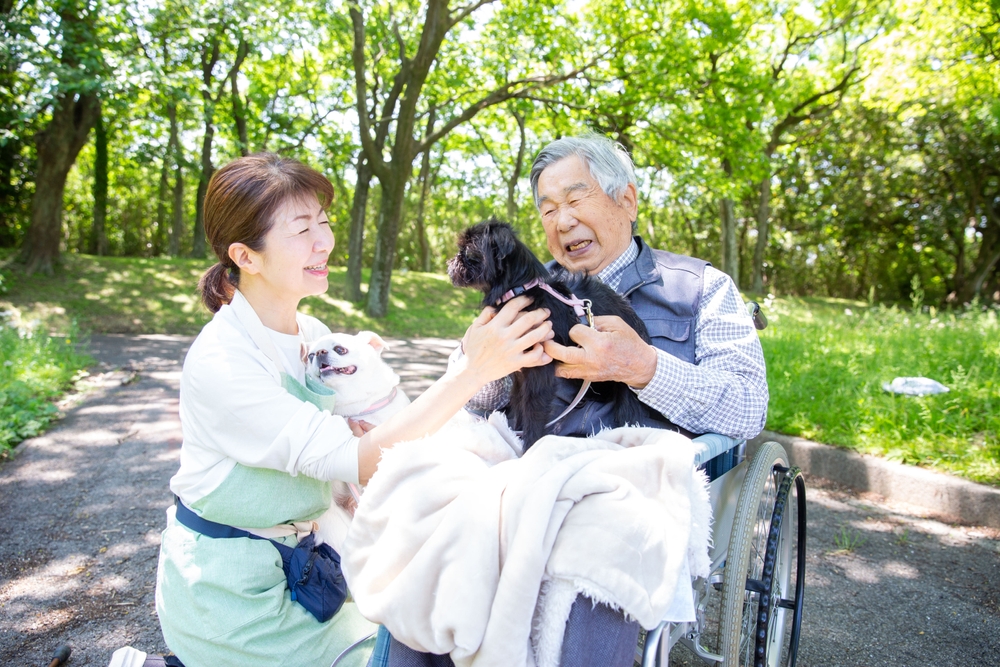
Animal-assisted therapy uses trained animals to help trauma survivors rebuild safety, regulate emotions, and reconnect with their bodies. Here is how it works.
Healing from trauma is hard work.


Healing from trauma is not a straight line. For many people, traditional talk therapy is helpful. For others, especially those who struggle to verbalise their experiences, the process can feel overwhelming. In these cases, animal-assisted therapy services may be the answer.
Studies show 82% reduction in symptoms for PTSD patients working with therapy animals. It is not just about feeling better in the short term. This approach is about creating long-term, sustainable change in the body and mind through the power of the human-animal bond.
What are Animal-Assisted Therapy Services?
Animal-assisted therapy services use trained animals as part of the treatment process to help people recover from trauma, mental health issues, and physical conditions.
It is more than just having a pet around. This is a structured therapeutic intervention where trained animals are used to help people heal. Many rehabilitation centers, such as pet friendly rehab centers, integrate animal-assisted therapy services into comprehensive treatment plans.
Animals do not judge. They do not demand explanations. Their presence offers calmness and safety – conditions that trauma survivors often find difficult to access on their own, and creates a safe environment in which healing can begin.
Animal-assisted therapy is no longer a fringe concept. By 2024, the industry reached an estimated USD 110 million, reflecting growing interest from rehabilitation centres, mental health providers, and trauma specialists worldwide.
Animal-assisted therapy services are not meant to be a stand-alone replacement for traditional therapy. Instead, this method works hand in hand with traditional treatment modalities to create a more well-rounded healing approach. Therapy animals help patients:
- Feel safe enough to open up
- Reduce anxiety in session
- Build trust with their treatment team
- Engage more fully in the recovery process
The Science Behind Healing with Animals
Trauma alters the brain’s sense of safety. Even in therapy, survivors may shut down, dissociate, or feel trapped when asked to talk through their experiences. Animals create a different dynamic – one without pressure, without expectation, and without the fear of being misunderstood.
There is science behind why this works: When people engage with therapy animals, their bodies release oxytocin (“the feel-good hormone”). At the same time, stress hormones like cortisol decrease in the bloodstream.
These chemical reactions create changes in the body that allow trauma survivors to:
- Lower their blood pressure
- Decrease anxiety levels
- Improve sleep quality
- Feel less isolated
Veterans with service dogs experienced lower cortisol levels, which indicates better sleep and an increased sense of well-being. They also experienced less anger and anxiety.
When patients feel more grounded, safe, and emotionally regulated, they are more able to engage meaningfully in treatment. This is reflected in a notable finding: Dog-assisted therapy has a dropout rate of only 7.4%, lower than many traditional therapy models.
Different Types of Animal-Assisted Interventions
Animal-assisted therapy services are not all the same. Different programmes may use different animals and different techniques based on what’s most helpful for specific types of trauma. Here are the most common:
Dog-Assisted Therapy
Dogs are the most commonly used therapy animals, and with good reason. Their responsiveness to human emotion, ease of training, and natural ability to form bonds make them ideal partners in trauma treatment.
In the United States alone, over 50,000 therapy dogs work in hospitals, rehab facilities, schools, and other settings.
Dog therapy sessions can take many forms, including:
- Having the dog present while talking with a therapist
- Engaging in structured activities with the dog like grooming or obedience training
- Walking or playing with the therapy dog
- Caring for the dog as a way to learn responsibility and routine
Equine-Assisted Therapy
Horses have a unique role in animal-assisted therapy.
View this post on Instagram
Working with horses requires the individual to be present and engaged. Trauma survivors have to learn to read a horse’s body language, set physical boundaries, and develop trust. All of these skills are directly transferable to human relationships.
Equine therapy can be particularly helpful for people working through complex PTSD, childhood trauma, issues of trust and safety, and emotional regulation challenges.
Other Therapy Animals
Treatment centers and therapy programmes also incorporate cats, rabbits, birds, fish, farm animals, and even insects into their animal-assisted therapy programmes. The key is matching the right type of animal to the individual’s needs and comfort level.
Some people respond better to small animals they can hold. Others need the physical presence of a larger animal to feel safe and grounded.
Why Animal-Assisted Therapy Works for Trauma Recovery
Trauma fundamentally alters how the brain perceives safety and threat. Talk therapy can sometimes hit those defense mechanisms and cause the survivor to shut down. But with animals, those defenses cannot be engaged.
Trust Without Words
Trust is hard for people who have survived trauma.
Animals make it easier, and offer a non-verbal bridge to emotional expression. Their presence lowers the emotional barrier that often makes therapy feel intimidating.
This allows a foundation of trust to be built that makes it easier to trust other people again.
Breaking Patterns of Isolation
Trauma often causes people to isolate themselves, but the presence of a therapy animal can break that pattern. Taking care of another living creature gives a trauma survivor structure, routine, and something meaningful to focus on. This can help people begin to re-engage with life.
Caring for an animal encourages re-engagement, structure, and responsibility. It also reintroduces positive social behaviour through gentle, non-demanding interaction.
It is telling that 87% of pet owners report mental health benefits from caring for an animal, even outside a therapy setting.
Helping the Body Heal
Trauma resides in the body, not just the mind. Animal-assisted therapy is one of the few treatment modalities that works with both. Petting a dog, grooming a horse, or walking a farm animal can help release trauma stored in the nervous system.
This combination of physical activity and human-animal connection can be powerfully healing when combined with more cognitive-based approaches.
Finding the Right Programme
Not every animal-assisted therapy programme is equal. Look for programmes that use certified therapy animals and have trained handlers. The animals should be well cared for. The facility should have strict safety and hygiene protocols.
You should feel comfortable asking questions like:
- What training do the therapy animals go through?
- How are the sessions structured?
- What is the handler’s background in working with trauma?
- How will this be integrated into my other treatment methods?
The Takeaway
With 7.4% average dropout rates and 82% reduction in PTSD symptoms, the animal-assisted therapy approach provides promising results. The science of how and why it works is there, and it is the human-animal connection that makes it magic.
Trauma recovery is not one size fits all. Some people need the structure of traditional therapy. Some respond to the benefits of animal-assisted interventions. Many will need a combination of both.
Healing rarely happens all at once. Sometimes it begins with something simple: the steady breathing of a dog lying beside you, the warm weight of a rabbit in your hands, or the calm presence of a horse waiting patiently for you to take the next step.
Sometimes, the body remembers safety before the mind does — and animals help make that possible.

