


In an era of endless scrolling and fast food, the lure of instant gratification is harder to resist than ever, but at what cost to our health?
Instant gratification is a snare that is hard to escape, especially in an era where satisfaction can immediately be at hand.


Literally. Via our phones.
We lose time scrolling through this little device, whether it is in the middle of our day, or when we have tucked ourselves into bed at night. The rewards of such an act are instant and easy.
But we come to regret it when we realise it comes at the expense of hours of work, or plenty of much needed sleep.
Then we wake up extra groggy the next day, determined to stay on track. But the cycle repeats, and we fall back into the same patterns. Renouncing future benefits for immediate pleasure is something many of us do so often that it has practically become a habit.
We all know it is not a great thing – but how bad are the consequences?
Why We Crave Instant Gratification
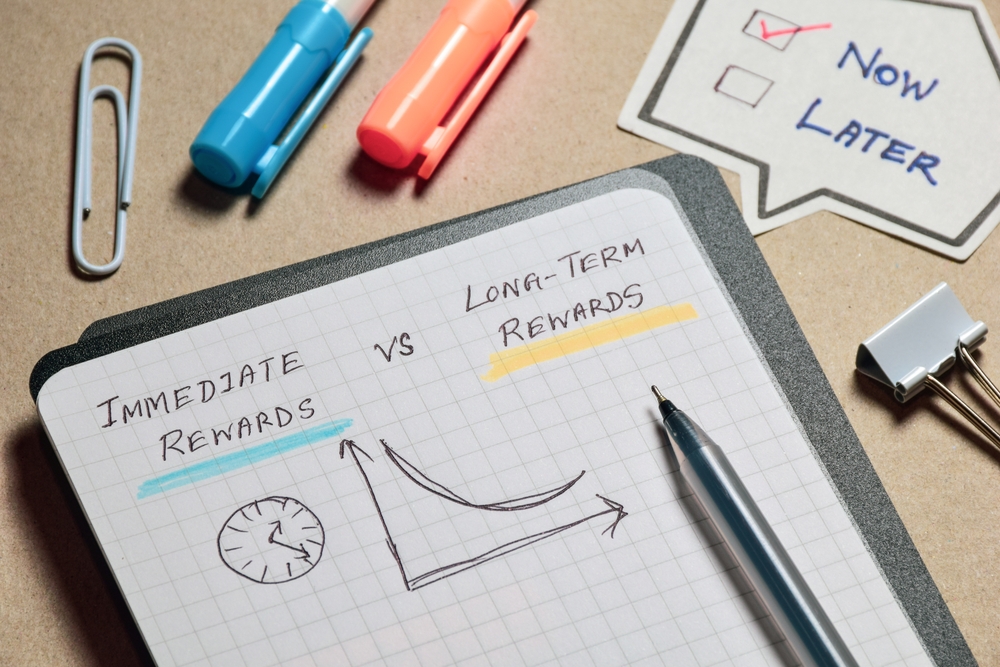
Instant gratification speaks to our desire for instant pleasure or fulfilment. In essence, it is about getting something we want right now, rather than waiting for something better down the road.
Think about the last time you skipped a workout to binge-watch a drama on Netflix, or decided to order in some fast food rather than spending time in the kitchen preparing a more wholesome meal. These are everyday examples of when we let instant gratification take over, but they represent a larger trend in how we seek out quick, short-term rewards.
Part of it could be attributed to cognitive biases like hyperbolic discounting, or present bias.
Humans make decisions every day of our lives, and the present bias highlights our propensity for prioritising our current situation over future outcomes, which are more uncertain. This leads us to picking promptly-felt benefits over long-term costs, even when it leads to more adverse payoffs.
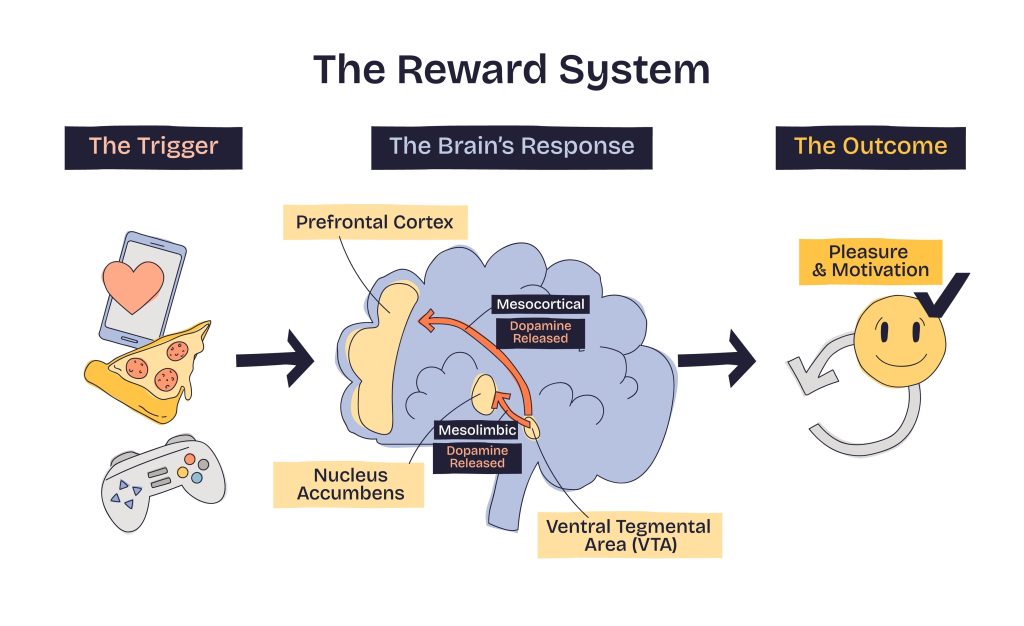
This has to do with our brain’s reward system. Satisfying a desire quickly triggers a release of dopamine, the “feel-good” hormone, which signals pleasure and reinforces our behaviours. Unfortunately, this gives too much value to our impulsive choices, and makes it difficult for us to focus on actions that can give us long-term happiness.
How Instant Gratification Can Lead to Bad Habits
Our proclivity towards more immediate rewards presents itself in a variety of ways, including:
- Procrastination: Delaying tasks that are important for leisure activities.
- Doomscrolling: Spending too much time online even when we know it is unproductive, and even harmful.
- Overspending: Making unnecessary purchases on impulse when we need to save.
- Unhealthy Eating and Skipping Workouts: Opting for comfortable activities or junk food rather than maintaining good health.
Indulging too much in such actions can be detrimental to our daily lives, interfering with our work, finances, and even relationships. It can also have negative effects on our mental wellbeing, leading to poor sleep, low mood, and an overflow of guilt.
When We Choose to Delay Gratification
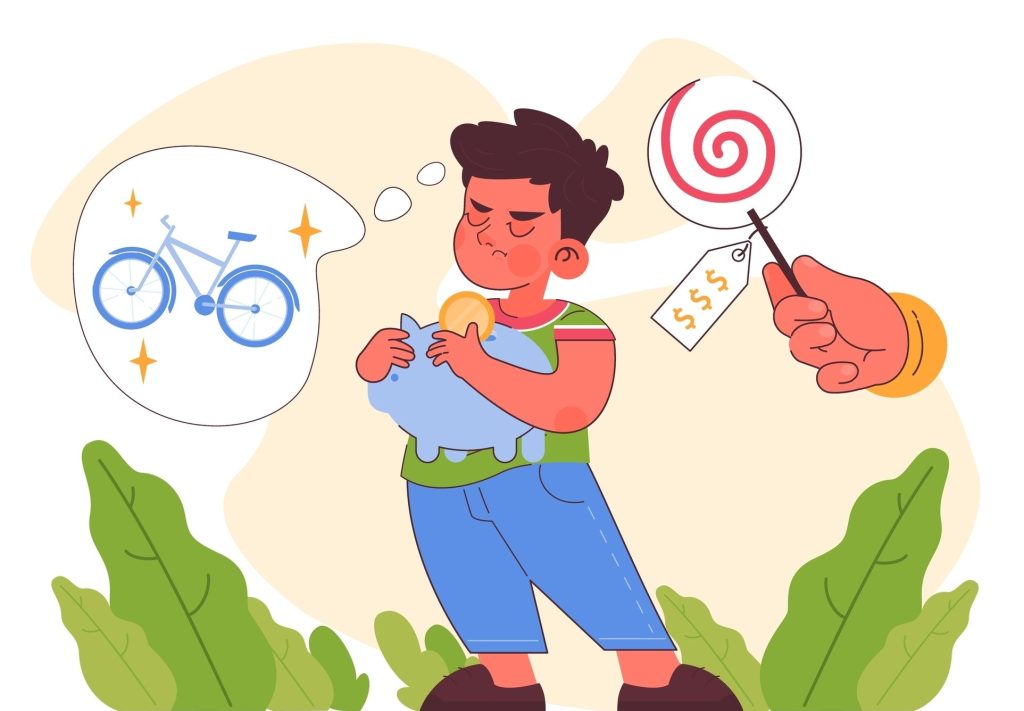
On the other hand, delayed gratification is the art of postponing immediate pleasures for greater rewards over time. While it often feels like the harder choice, its benefits are abundant.
Some of the more obvious ones involve goal achievement, whether that is attaining academic or career success, getting financial security, or improving physical health.
Importantly, the ability to delay gratification can make us feel more in control of our own lives. Having the ability to practice patience and resist temptation fosters self-discipline and helps us stick to our commitments. Over time, this leads to the development of productive habits, empowering us to lead more fulfilling lives.
And if you want to learn how to counter the compulsions, there are some strategies that can help.
Goal-Setting
People often set unrealistic benchmarks for themselves in order to attain their goal fast, such as exercising for an hour every day, or foregoing all sugary treats for a full year to slim down. However, when something feels too big or extreme, you are more likely to give in to the temptation to procrastinate on it, or give up altogether.
So do not set yourself up for failure. Use realistic deadlines that can carry you through to your goal, however minuscule they feel, and allow yourself some flexibility. Even if you are only working on it a little at a time, at least you are on your way.
Reduce Distractions
Limit your exposure to sources of instant gratification, like your phone. This includes using productivity apps to prevent you from scrolling away, or even putting your phone in another room when you need to lock in.
And if you are feeling a particular craving, tell yourself that you can wait 10 more minutes before letting yourself indulge. By the end of that period, your craving is likely to pass.
Stay Mindful
Practice being present and keeping track of your urges. When you feel the pull of instant gratification, pause and consider its long-term impact. Being aware of how you might give in to impulsivity can help you make more deliberate decisions.
But Is Instant Gratification Always a Bad Thing?
Choosing instant gratification is not always bad for our wellbeing. For instance, indulging in a hearty meal can be an act of celebration, while sleeping in is one of self-care.
The important thing is ensuring these choices are intentional rather than impulsive.

“It is important to normalise that all of us make a variety of these decisions on a day-to-day basis – choosing to satisfy our immediate needs (such as choosing to eat something satisfying for lunch) and also making other decisions that have delayed rewards (such as putting money in a long-term savings plan or fixed deposit),” said Ms Sara-Ann Lee, a clinical psychologist at The Psychology Practice, in this article on CNA.
“Individuals can consider the impact of these decisions, whether they occur frequently and to what extent. If these situations occur infrequently and do not necessarily have a significant impact on the individuals’ life, there may be nothing wrong with making these decisions.”
Remember, the key is balance: knowing when to indulge, and when to work towards something greater.
References
- Associated Clinic of Psychology. (2025, August 18). Why Delaying Gratification is Beneficial. Retrieved from: https://acp-mn.com/about-acp/blog/why-delaying-gratification-is-beneficial/
- Bergland, C. (2021, September 18). How Instant Gratification Can Lead to Dissatisfaction. Psychology Today. Retrieved from: https://www.psychologytoday.com/us/blog/the-athletes-way/202109/how-instant-gratification-can-lead-dissatisfaction
- Burn, S. M. (2023, September 8). How to Stop the Present Bias From Ruining Your Future. Psychology Today. Retrieved from: https://www.psychologytoday.com/sg/blog/presence-of-mind/202309/how-to-stop-the-present-bias-from-ruining-your-future
- Cherry, K. (2025, December 4). The Meaning of Delayed Gratification. Verywell Mind. Retrieved from: https://www.verywellmind.com/delayed-gratification-why-wait-for-what-you-want-2795429
- Goldfield, G. (2025, March 4). I Want It Now! The Psychology of Instant Gratification. Psychology Today. Retrieved from: https://www.psychologytoday.com/sg/blog/no-more-fomo/202503/i-want-it-now-the-psychology-of-instant-gratification
- Lau, D. (2025, Match 19). The real reason we put off workouts, sleep and saving money. CNA. Retrieved from: https://www.channelnewsasia.com/today/mental-health-matters/real-reason-we-put-workouts-sleep-and-saving-money-4999791
- Perlmutter, A. (2019, September 14). The Real Issue With Instant Gratification. Psychology Today. Retrieved from: https://www.psychologytoday.com/sg/blog/the-modern-brain/201909/the-real-issue-instant-gratification

