

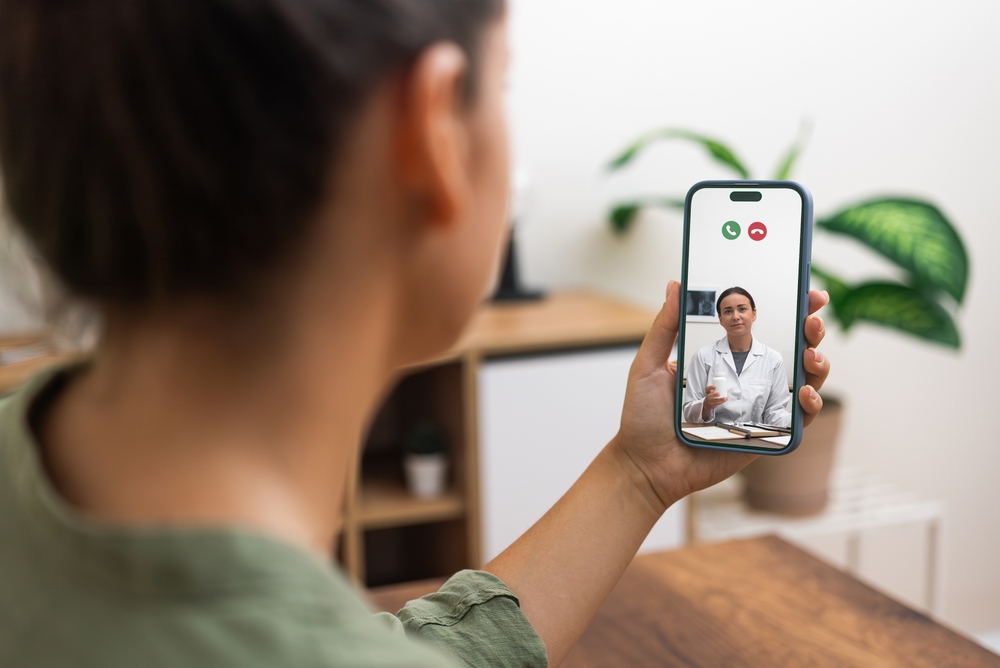
Long waits for psychiatric care are worsening mental health outcomes. Can telepsychiatry reduce delays and improve recovery?
Are you ready for the worst “secret” in mental health care? Right now, the biggest barrier to better outcomes is access.


Thousands of patients who need psychiatric care are waiting weeks or months before they can see a provider. The longer patients go without psychiatric care, the worse outcomes become. Symptoms worsen. Conditions become more difficult to treat. And suicide rates increase.
In mental health care, waiting is not neutral. It changes outcomes.
Why Does Waiting for Psychiatric Care Make Things Worse?
If someone breaks their arm, they go to urgent care or the emergency room and get seen that day. Same thing if they cut themselves bad. They go to the doctor and get stitches immediately.
But if they’re struggling with their mental health? Well, it’s a different story. They call to make an appointment. They get put on a waitlist. And then they wait.
One study found that only 18.5% of psychiatrists could see new patients. This leaves over 80% of providers unable to accept more patients on their roster. And for patients who were able to find a provider? They waited a median of 67 days for their first appointment.
Over two months of psychotic episodes without professional intervention, or substance abuse and self harm before anyone can talk to a doctor about their condition. Needless to say, waiting for psychiatric care isn’t good for patients. Mental health care is time-sensitive care.
That’s why on–demand psychiatry services are becoming so popular. When people can get fast access to mental health care online, they are able to reach their care team without the painful wait. It doesn’t take long for online therapy to make a difference in someone’s life.
The State of Mental Health Access
In the United States, the Health Resources and Services Administration (HRSA) estimates that more than 120 million people live in areas with shortages of mental health professionals.
While the figures differ in Asia, the pattern is similar. Countries such as Singapore, Malaysia, Indonesia and Thailand face ongoing shortages of psychiatrists relative to population needs. Rural and underserved regions are particularly affected.
Urban centres may offer specialist services, but even there, wait times for new psychiatric appointments can stretch for weeks or months. Demand has surged since the COVID-19 pandemic, yet the supply of trained psychiatrists and psychologists has not kept pace. The result is a widening gap between people who need care and those who can access it in time.
How Telepsychiatry Is Changing the Access Equation
Remote mental healthcare is one of the best solutions available for fixing the access problem. Telepsychiatry can connect patients to licensed and qualified psychiatrists from the comfort of their own home. No need to travel to see a provider when care is available online.
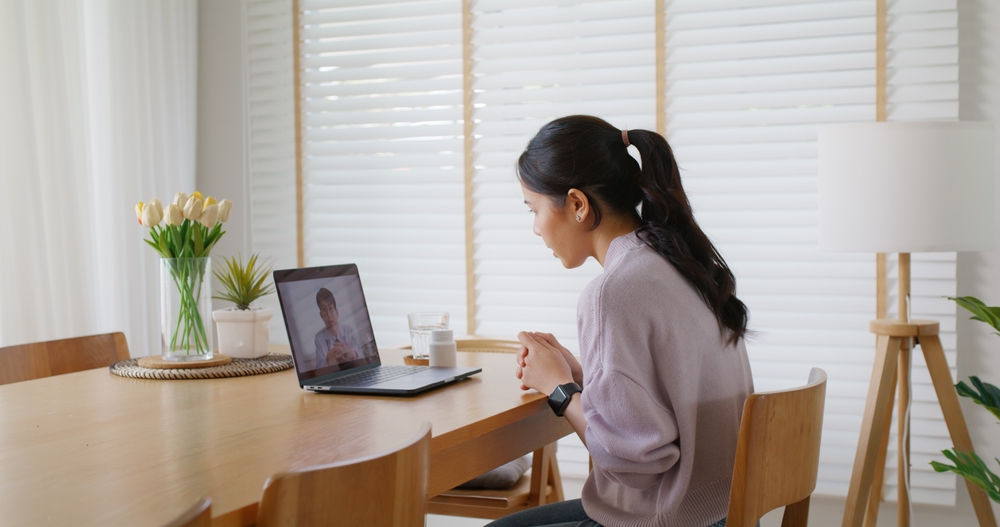
Telepsychiatry refers to psychiatric consultations conducted via secure video platforms. While telehealth has existed for years, its rapid expansion during the pandemic reshaped how mental health services are delivered.
For many patients, telepsychiatry offers three critical advantages: speed, reach and flexibility.
First, speed.
In some studies, wait times for telepsychiatry appointments have been shorter than for in-person consultations. While the study mentioned earlier discovered a median 67-day wait for in-person appointments, telepsychiatry appointments had a median wait time of just 43 days.
While not eliminating delays entirely, virtual care can reduce bottlenecks, especially when providers can allocate remote sessions more efficiently.
Second, geography.
Thanks to telehealth platforms, remote mental healthcare has eliminated geography as a barrier. Patients in rural or underserved regions are no longer limited to providers within commuting distance. A patient in a small town can consult a psychiatrist based in a major city, and suddenly, mental health care is accessible to people who didn’t have any options before.
Third, flexibility and reduced barriers.
Remote appointments remove the need for travel, reduce time off work and may lower the psychological barrier of walking into a psychiatric clinic. For some patients, receiving care at home reduces stigma and anxiety.
When it is easier to access care, more people will actually seek it out. And when more people use mental health services, outcomes improve across the entire system.
Does Faster Access Really Improve Outcomes?
The principle is straightforward: earlier care leads to better outcomes.
Early intervention is one of the most researched and supported concepts in mental health. Patients who are able to get care right away tend to have better outcomes than those who wait. Treatment goes more smoothly. Recovery time is faster. And patients are far less likely to relapse.
On the other hand, delayed treatment almost always leads to negative repercussions.
Patients allow their symptoms to progress unattended. They develop co-occurring conditions that require additional treatment. Some patients may turn to drugs and alcohol as a coping mechanism. The point is, it only gets harder to treat the longer someone waits for care.
Take suicide for example:
Suicide rates increase when patients cannot get the help they need quickly. Studies show that patients who receive follow-up care after being hospitalised for a psychiatric emergency are more likely to stay safe than patients who do not. Patients who see their care team quicker are able to start treatment, build a relationship with their provider, and adjust medications faster. They do not have to wait to start feeling better.
However, telepsychiatry is not a universal solution. Severe cases may still require in-person assessment. Digital literacy, internet access and privacy at home remain challenges in parts of the world.
What About Stigma and Cultural Context in Asia?
In many Asian societies, stigma remains a significant barrier to seeking mental health care. Families may prioritise resilience and endurance over professional intervention. Individuals may delay treatment until symptoms disrupt work or daily life.
Telepsychiatry may subtly shift this dynamic.
A virtual appointment can feel less intimidating than visiting a psychiatric clinic. For young adults especially, online consultations align with existing digital habits. In workplaces where mental health stigma persists, the ability to attend a discreet online session during a break can make care more feasible.
At the same time, policymakers must ensure that digital expansion does not widen inequalities. Populations without stable internet access, elderly patients unfamiliar with technology, and lower-income communities may still struggle to benefit.
Access must be equitable, not just convenient.
Pulling Everything Together
The central problem in mental health care today is not simply awareness. It is access.
Too many mentally ill patients are waiting months to get help from a psychiatrist – and because they canbit get access to care, their outcomes are suffering. Symptoms progress, recovery becomes harder and risks increase.
Remote mental healthcare allows patients to get the care they need right now. Not only does telepsychiatry reduce wait times for appointments, but it gives patients in rural communities access to psychiatrists for the first time.
Mental health conditions deserve the same urgency as physical injuries. A broken bone receives immediate attention. A broken mind should not be left waiting.

