

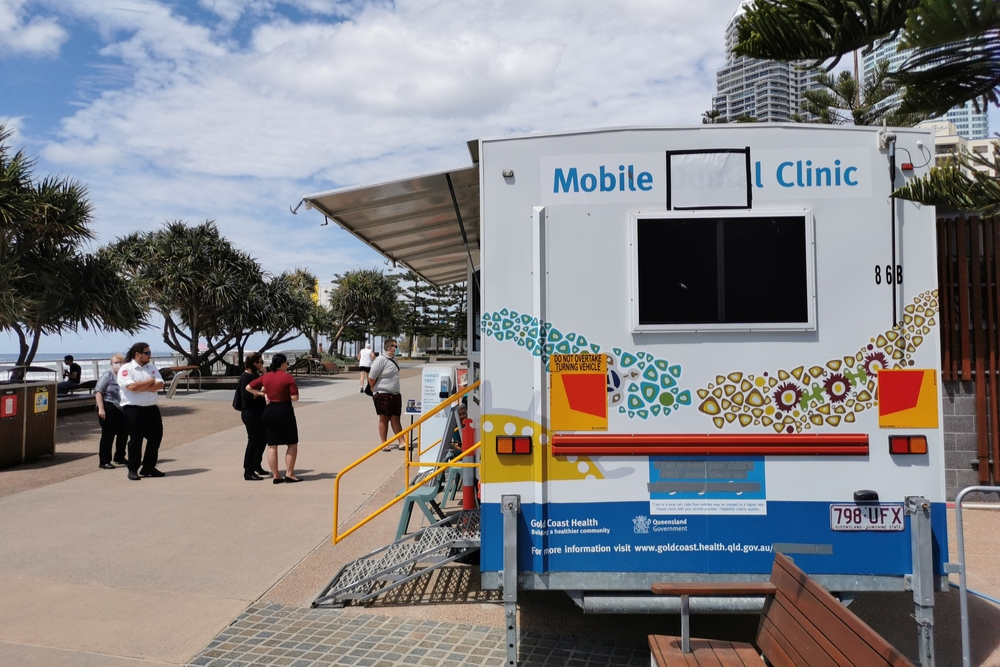
Mobile clinics are reshaping preventive healthcare by bringing screenings, vaccinations and primary care directly to underserved communities, reducing healthcare inequality and emergency visits.
For millions of people, healthcare is not a phone call away. It is hours of travel, lost wages, long waiting times, or simply not available at all.


In rural towns, informal settlements, and low-income neighbourhoods across the world, access to preventive care remains uneven. While large hospitals dominate city skylines, many communities still struggle to get basic screenings, vaccinations, or routine check-ups.
Building new hospitals and clinics is not cheap, and it takes time.
Increasingly, healthcare providers are flipping the model. Instead of waiting for patients to travel long distances, care is brought directly to them through mobile clinics.
Portable healthcare solutions bridge the gap by meeting patients where they already are.
Why Preventive Healthcare Gaps Exist
Healthcare accessibility issues have plagued rural and underserved areas for a long time. Unfortunately, they are not improving, and illions are left without convenient access to doctors for checkups, screenings, or routine care.
When you take a look at the number of practicing physicians, rural communities only have 30 per 100,000 people, compared to urban areas with 263. This drastic gap in care leads to preventable diseases going untreated, and people go without important screenings.
The consequences are not abstract. It can be measured in the form of higher medical costs and poorer health outcomes. When preventive services are difficult to access, conditions that could have been managed early often progress silently until they require urgent and expensive care.
Building new hospitals sounds like a solution. But brick-and-mortar facilities require large capital investment, regulatory approvals, staffing, and years of construction.
This is exactly where portable healthcare solutions come into play.
Mobile clinics can take many forms such as vans, trailers, or even modified buses. All provide preventive care services straight to the patients who need it most. Compare medical trailers versus medical vans to learn more about each option.
Read More: Bringing Smiles on Wheels: Dental Care Goes Mobile for Vulnerable Seniors
How Are Mobile Clinics Changing Healthcare Delivery?
Mobile clinics have been around for ages. But in recent years, their role has expanded beyond temporary outreach efforts.
These clinics are not merely first-aid stations on wheels. They provide:
- Prevention and screenings
- Primary care visits
- Dental services
- Vaccinations & immunizations
- Mental health services
In some settings, they are deployed during disease outbreaks. In others, they serve remote villages, migrant workers, or disaster-affected communities.
Mobile Clinic Benefits
Mobile clinics are a powerful tool that serves many benefits. They do not just see patients and leave.
Lowers Cost of Care
For every dollar spent on mobile health, $12 is saved by avoiding expensive ER visits and hospital stays. That is an ROI of 12:1.
Preventive healthcare is widely recognised as cost-saving in the long term. Mobile clinics amplify this benefit by lowering barriers to entry.
When patients have access to preventive care through a mobile clinic, they are far less likely to go to the emergency room with an ailment that could have been treated during one of those visits. Not only does this save the patient money, but it saves the healthcare system money too.
Serving The Unserved
One huge advantage of mobile clinics is their ability to reach underserved communities. Mobile clinics spend the majority of their time serving rural areas, uninsured patients, and low-income families.
Studies show that 41% of patients were uninsured at their last mobile clinic visit. That number jumps even higher for patients that identified as racial or ethnic minorities at 59%.
Mobile clinics help reach patients that normally fall through the cracks of traditional healthcare. By parking in these communities, travel time is eliminated for patients. The often expensive office visits are removed too.
Patients that wouldn’t have sought care elsewhere are now receiving the preventative care they need.
Preventive Care
Think about the phrase “preventative care”. The whole idea is that it should prevent illnesses before they become serious.
Mobile clinics offer several services that prevent the need for emergency care. Blood pressure checks, diabetes screenings, cholesterol checks, and even cancer screenings are all performed regularly.
Not only does this allow for conditions to be caught early, but it also allows patients to learn more about managing their health, from nutrition to understanding when to seek further care. Mobile clinics help educate patients.
Trust
Last but not least, mobile clinics help build trust with the communities they serve.
Imagine if every month a mobile clinic would come to the same community? Slowly but surely people will take notice. Not only will they seek care from the clinic but they’re more likely to follow up with prescribed treatments.
Patients feel more comfortable going to a mobile clinic that shows up regularly rather than a hospital they’ve never been to.
What Types of Mobile Clinics Exist?
When deploying a mobile clinic, there are several options to consider.
Just like traditional brick-and-mortar clinics, mobile clinics come in all shapes and sizes.
- Vans – Ideal for urban areas and providers looking to deliver small-scale services.
- Trailers – Perfect for storage and equipment. They can be expanded to provide multiple examination rooms.
- Buses – Great option for on-the-go providers looking to see large volumes of patients at community events.
- Shipping Containers – Shipping containers can provide a more permanent setup for a clinic.
Choosing the right model depends on terrain, budget, service scope, and intended mobility. A mountainous rural district will require a different configuration from a dense urban outreach programme.
Are Mobile Clinics a Long-term Solution?
Mobile clinics are not a replacement for hospitals. Complex surgeries, intensive care, and specialised treatments still require fixed facilities.
However, they represent a powerful complement to existing systems.
Portable healthcare solutions have become some of the best methods for closing preventative healthcare gaps. They go directly to the patients that need care the most and provide real value to communities.
Healthcare planners increasingly recognise that prevention cannot depend solely on centralised institutions. Decentralised, community-based models are critical in addressing inequity.
In Southeast Asia, similar approaches have been used for maternal health outreach, vaccination drives in rural Malaysia and Indonesia, and health screenings for migrant worker populations in Singapore.
The global healthcare landscape is shifting toward value-based care, equity, and accessibility. Portable healthcare solutions align with these priorities. The gaps in healthcare are not going to close themselves, but with portable healthcare solutions, communities can finally get the care they need most.

