

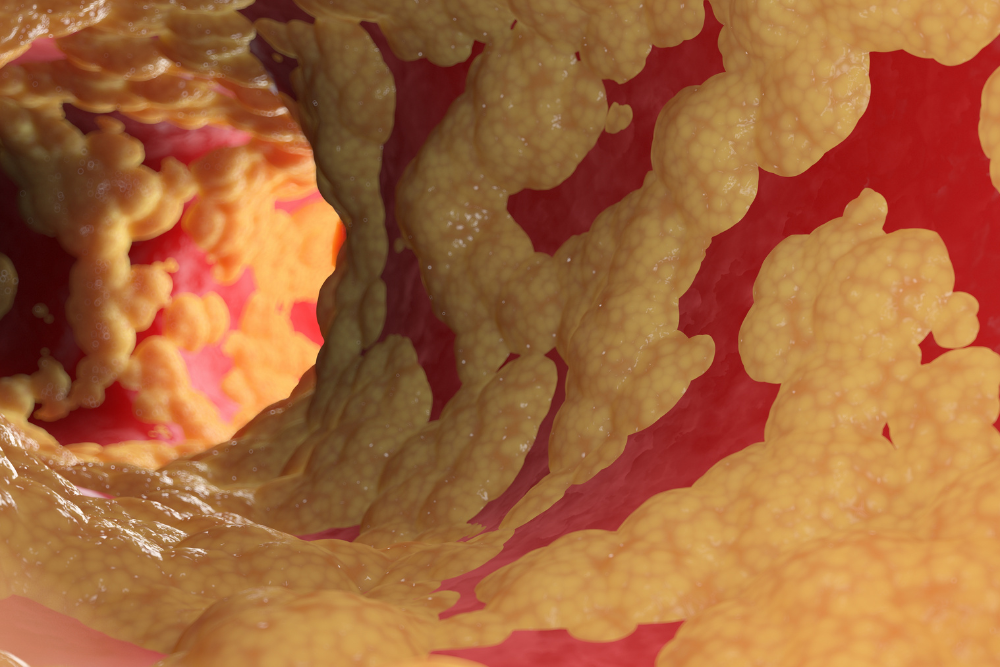
That stubborn belly fat may look harmless, but hidden visceral fat deep inside the abdomen is linked to heart disease, diabetes, and fatty liver disease.
When we talk about body fat, most of us think about what shows up in the mirror. What actually matters more for health is what is happening deep inside the abdomen. This hidden fat is called visceral fat, and it surrounds vital organs such as the liver, stomach, and intestines.


What Is Visceral Fat?
Everyone has visceral fat. It surrounds the internal organs such as the liver, stomach, and intestines. The term visceral comes from “viscera”, which refers to internal organs and tissues.
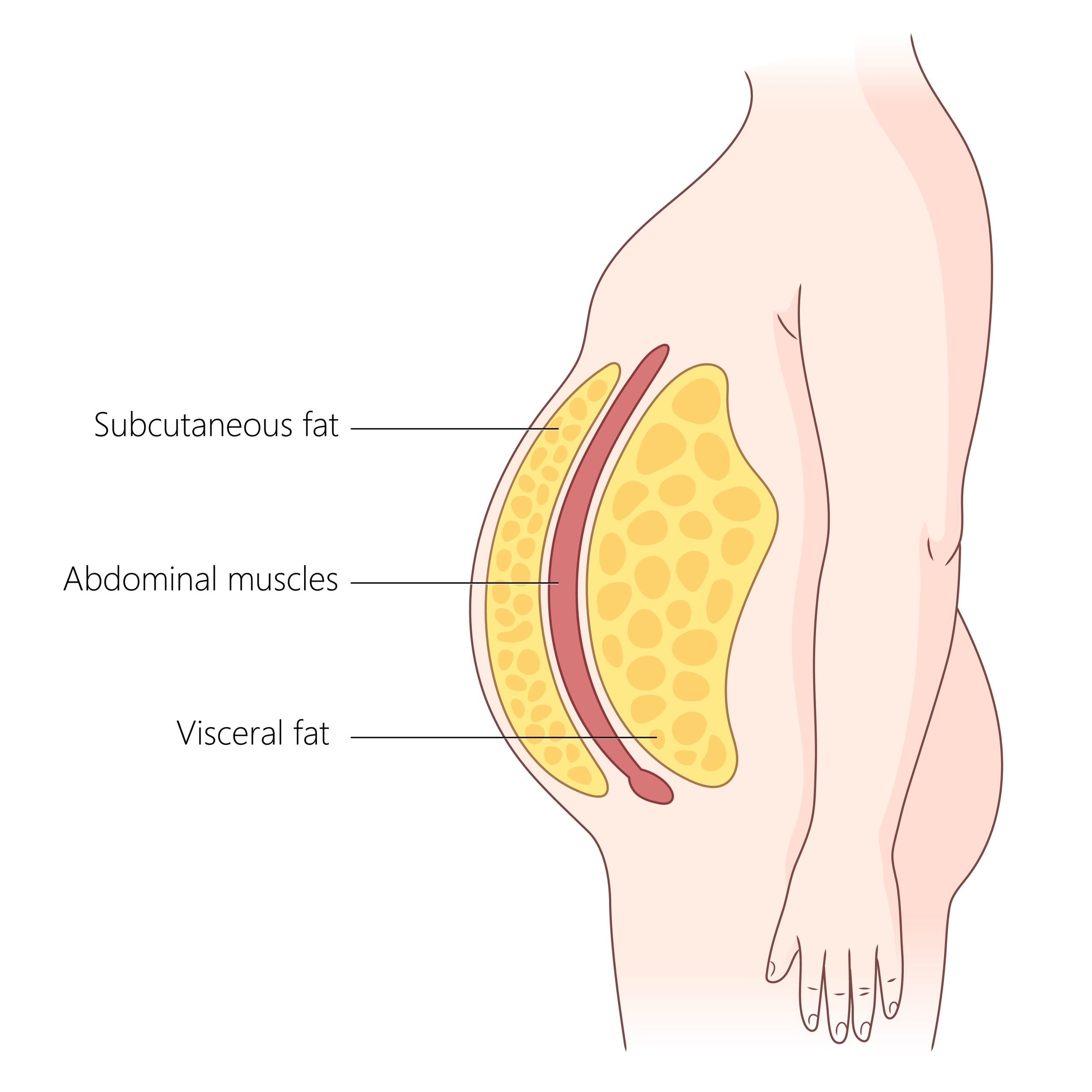
Belly fat actually consists of two types of fat:
- Subcutaneous (under-the-skin) fat
- Visceral fat
For most people, the body fat is about 90% subcutaneous and 10% deeper visceral.
Unlike subcutaneous fat, visceral fat is metabolically active. This means it releases hormones and inflammatory substances that directly affect how the body functions.
While it plays an important role and even protects internal organs, too much visceral fat can interfere with blood sugar regulation, cholesterol levels, and inflammation, setting the stage for long-term health problems.
What Causes Excess Visceral Fat?
While everyone has visceral fat, the amount varies between individuals due to a combination of lifestyle, hormonal, and genetic factors.
Genetics
Genetics influence the amount and location of visceral fat stored in the body. While genetics cannot be changed, managing lifestyle factors is the key to keep visceral fat under control.
Excess Calorie Intake
Consuming more calories than the body can burn, particularly from refined carbohydrates, added sugars, and ultra-processed foods – encourages the storage of visceral fat.
Chronic Stress
High stress increases the release of cortisol hormone (stress hormone). Elevated cortisol levels promote fat storage around the abdomen. Hence, long-term stress contributes significantly to visceral fat build-up.
Sedentary Lifestyle
A lack of physical activity reduces the body’s ability to burn fat efficiently. As a result, more fat is stored, particularly the deep abdominal fat.
Poor Sleep
Insufficient or poor-quality sleep can disrupt hormones that regulate appetite (ghrelin and leptin). It boosts ghrelin (the hunger hormone) and suppresses leptin (the satiety hormone), leading to overeating. Poor sleep also raises cortisol levels, slows metabolism, and enhances cravings.
Hormonal Changes
Ageing and menopause can contribute to higher visceral fat due to hormonal shifts. Age-related muscle loss slows down calorie burning, especially in less active individuals. During menopause, falling oestrogen levels influence fat distribution, hence more fat accumulates around the abdomen.
What Are the Dangers of Excess Visceral Fat?
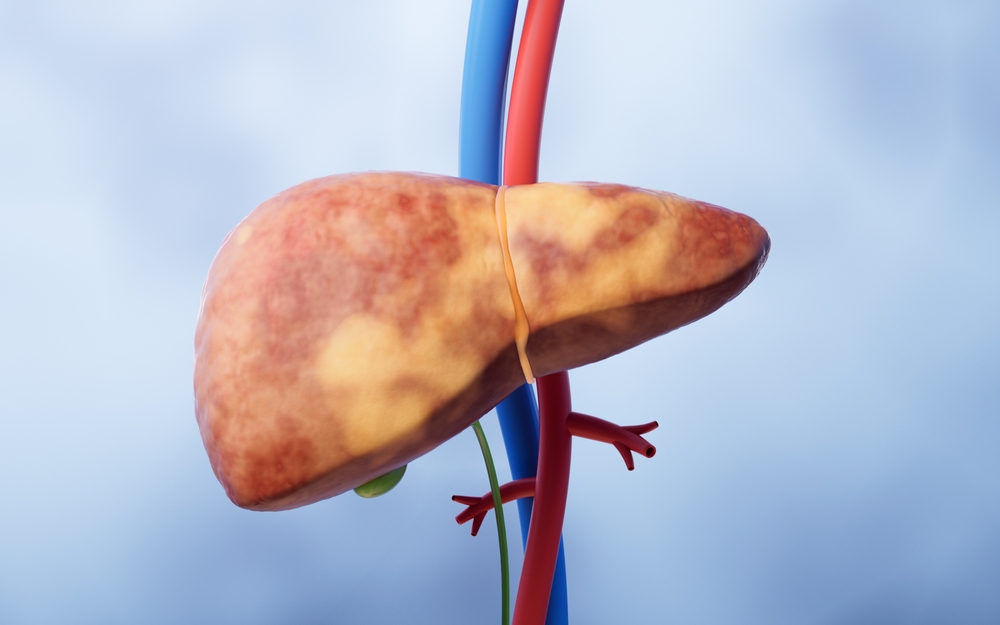
Even people who appear slim can carry dangerous levels of visceral fat, making it a hidden health risk.
Excess visceral fat is strongly linked to:
- Heart disease
- Type 2 diabetes
- High blood pressure
- High cholesterol
- Fatty liver disease
- Stroke
- Certain cancers
Because visceral fat develops internally, many people do not realise they are at risk until blood tests or imaging reveal early signs of disease.
How Can I Reduce Visceral Fat?
The encouraging news is that visceral fat tends to respond well to lifestyle changes. In fact, it is often easier to lose than subcutaneous fat when consistent habits are in place.
Key strategies include:
- Eating a balanced diet (e.g. choose lean proteins, high-fibre food, whole grains and healthy unsaturated fats)
- Cutting back on sugar, highly-processed foods and trans fats
- Staying physically active
- Managing stress to lower cortisol levels
- Limiting alcohol intake.
- Prioritising sufficient, good quality sleep.
Takeaways
Visceral fat is more than a cosmetic issue – it is a serious health concern. Although it forms quietly, it is not permanent. With consistent attention to diet, movement, sleep, and stress, it can be reduced.
Here’s an even more encouraging piece of news: visceral fat is actually easier to lose than subcutaneous fat, as long as you stay consistently active, eat healthy, sleep well and manage your stress better!
Addressing visceral fat is not about chasing a flat stomach. It is about protecting your long-term health, even when everything looks fine on the outside.
References
- Visceral Fat. Cleveland Clinic. Updated: 22 August 2025. https://my.clevelandclinic.org/health/diseases/24147-visceral-fat
- Lack of Sleep Increases Unhealthy Abdominal Fat. Mayo Clinic News Network. Updated: 28 March 2022. https://newsnetwork.mayoclinic.org/discussion/lack-of-sleep-increases-unhealthy-abdominal-fat/
- Belly fat in women: Taking – and keeping – it off. Mayo Clinic. Updated: 28 June 2023. https://www.mayoclinic.org/healthy-lifestyle/womens-health/in-depth/belly-fat/art-20045809
- Visceral Fats: What Is It? WebMD. Updated: 8 April 2024. https://www.webmd.com/diet/what-is-visceral-fat
- The Vital Role of Exercise and Diet in Preventing and Managing Fatty Liver Disease. Medical Channel Asia. Updated: 25 December 2023. https://medicalchannelasia.com/medical-investigations/the-vital-role-of-exercise-and-diet-in-preventing-and-managing-fatty-liver-disease/
- Hit Your 40s? It’s Time To Rethink Alcohol. Medical Channel Asia. Updated: 30 January 2025. https://medicalchannelasia.com/diet-nutrition/hit-your-40s-its-time-to-rethink-alcohol/
- Sleepmaxxing to Get Quality Zs. Medical Channel Asia. Updated: 14 February 2025. https://medicalchannelasia.com/sleep/sleepmaxxing-to-get-quality-zs/

