

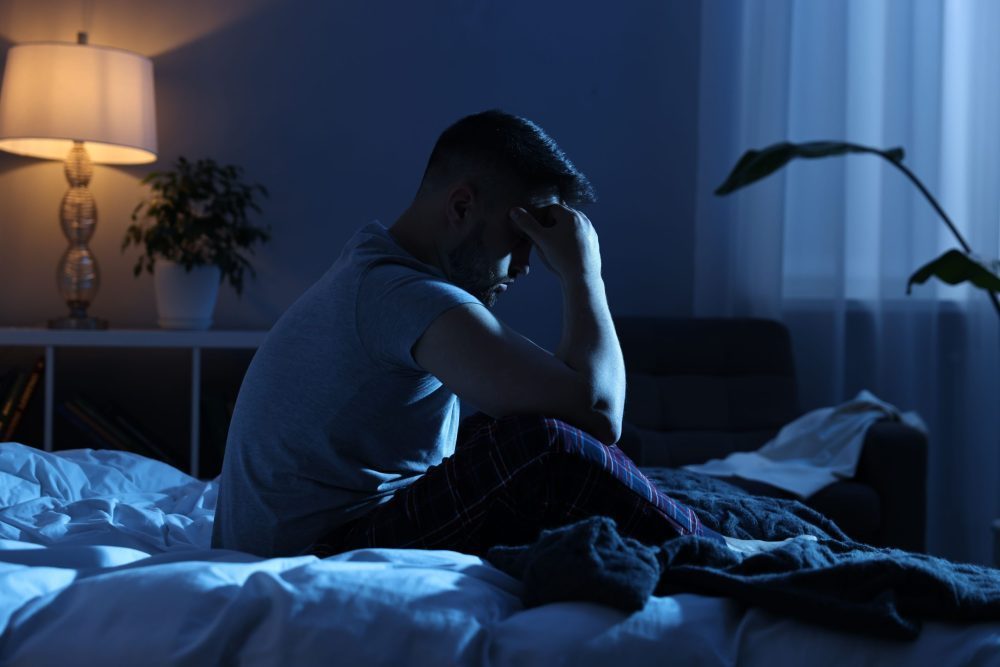
We have all had nights where sleep just does not happen. But what if poor sleep starts to feel like your new normal? That is when it may be more than just a bad week. It could be a sleep disorder.
Most people experience poor sleep from time to time. Stress, work demands, travel, illness, or lifestyle changes can all disrupt sleep temporarily. However, when sleep problems persist, recur frequently, or begin to affect concentration, mood, or physical health, an underlying sleep disorder may be present.


Sleep disorders are more common than many people realise, yet many go undiagnosed or untreated. Because changes in sleep often happen gradually, it can be difficult to recognise when poor sleep is no longer normal.
This article provides an overview of the most common sleep disorders, including insomnia, narcolepsy, restless leg syndrome, parasomnias, circadian rhythm disorders, and excessive daytime sleepiness.
How Normal Sleep Works
Sleep follows a repeating pattern known as the sleep cycle, which typically lasts around ninety minutes and repeats several times throughout the night.
Each sleep cycle includes:
- Non-rapid eye movement (non-REM) sleep, which supports physical restoration and immune function
- Rapid eye movement (REM) sleep, which plays a key role in memory processing, learning, and emotional regulation
Disruptions at any stage of the sleep cycle can affect sleep quality. Many sleep disorders interfere with specific stages of sleep, particularly REM sleep, leading to fragmented or non-restorative rest.
What Are Sleep Disorders?
Sleep disorders are medical conditions that interfere with the ability to fall asleep, stay asleep, or experience restful sleep. Some affect how long a person sleeps, while others affect the timing or structure of the sleep cycle.
Sleep disorders may develop on their own or occur alongside physical, neurological, or mental health conditions. In many cases, people are unaware that their symptoms are related to a sleep disorder, especially when the changes happen gradually.
Common Types of Sleep Disorders
1. Insomnia
Insomnia is the most common sleep disorder. It is characterised by ongoing difficulty falling asleep, staying asleep, or waking too early, despite having enough time and opportunity to sleep.
In Singapore, local research reports that approximately 15 % of adults experience insomnia symptoms, with older adults also showing similarly elevated rates. In Malaysia, around one-third of adults report insomnia symptoms, and about 12 % have chronic insomnia.
People with insomnia often wake feeling unrefreshed and may struggle with daytime sleepiness, irritability, or difficulty concentrating. It is more likely to occur with increasing age and is often associated with factors such as:
- Anxiety or depression
- Chronic stress or socioeconomic strain
- Medical conditions or medication use
Chronic insomnia is diagnosed when symptoms occur at least three times per week for three months or longer.
Treatment depends on the underlying cause and may include behavioural therapy, adjustments to sleep habits, and in some cases short-term use of sleep aids. Many people experience significant improvement once contributing factors are addressed.
Read also: Insomnia – is Sleep for the Weak?
2. Narcolepsy
Narcolepsy is a neurological sleep disorder that affects the brain’s ability to regulate the sleep–wake cycle. People with narcolepsy feel excessively tired during the day, even after getting what appears to be adequate sleep at night.
A defining feature of narcolepsy is the occurrence of sudden and uncontrollable episodes of sleep, often referred to as sleep attacks. These episodes usually last a few minutes and may occur during normal daily activities.
Narcolepsy affects approximately one in two thousand people. In some individuals, sleep attacks are accompanied by cataplexy, which is a sudden loss of muscle tone that may cause a person to slump or collapse while remaining conscious.
Because narcolepsy increases the risk of accidents and injury, early diagnosis is important. While there is no cure, symptoms can often be managed with a combination of medication, lifestyle adjustments and scheduled daytime naps
3. Restless Legs Syndrome
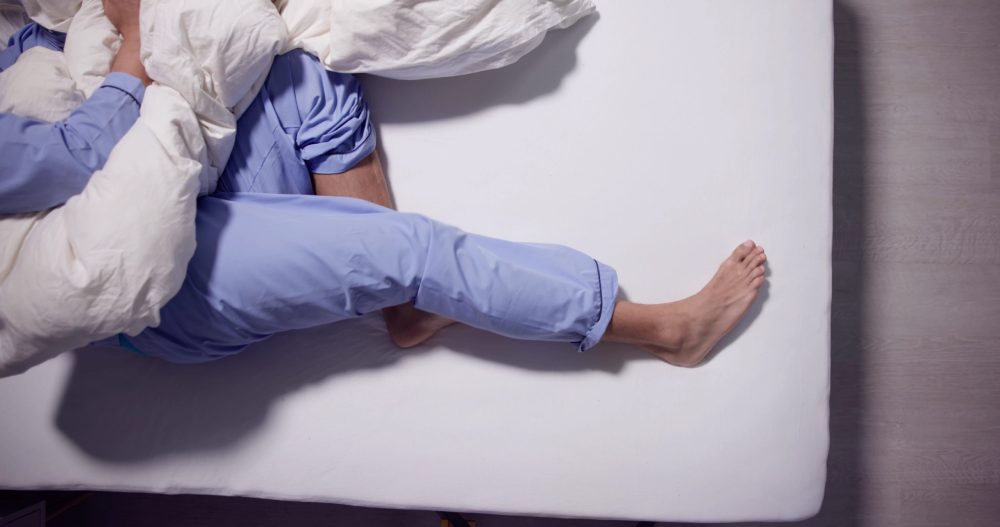
Restless legs syndrome, commonly referred to as RLS, is a sleep-related movement disorder marked by uncomfortable sensations in the legs. These sensations are often described as tingling, crawling, or pulling and create an irresistible urge to move.
Symptoms typically worsen during periods of rest, particularly in the evening or at night, making it difficult to fall asleep or stay asleep. Restless legs syndrome has been linked to pregnancy, iron deficiency, Parkinson’s disease, and other medical conditions, although the cause of many cases remains unclear.
RLS is relatively common, affecting up to fifteen percent of people. However, only a smaller proportion experience symptoms severe enough to significantly disrupt sleep.
Symptoms may worsen with certain triggers, including:
- Caffeine intake
- Use of specific medications
- Prolonged inactivity
Management often includes improving sleep habits, addressing nutritional deficiencies, maintaining regular physical activity, and using medication when appropriate.
4. Parasomnias
Parasomnias are a group of sleep disorders involving unusual behaviours, movements, or experiences that occur during sleep or during transitions between sleep and wakefulness.
They include conditions such as sleepwalking, night terrors, bedwetting, sleep paralysis, and less common phenomena like exploding head syndrome. Parasomnias are most common in children but can also occur in adults.
Parasomnias are often classified based on when they occur in the sleep cycle:
- Non-REM parasomnias, such as sleepwalking and night terrors
- REM-related parasomnias, such as REM sleep behaviour disorder
Management typically focuses on maintaining safety for the sleeper and any bed partners, improving sleep quality, and reducing triggers such as sleep deprivation or stress. Medical assessment is recommended if episodes are frequent, severe, or begin in adulthood.
Read also: Sleep Paralysis Explained: Why It Happens & How to Stop It
5. Circadian Rhythm Sleep Disorders
Circadian rhythm sleep disorders occur when the internal body clock is misaligned with the external environment. These disorders primarily affect the timing of sleep, rather than sleep quality itself.
Examples include:
- Delayed sleep-wake phase disorder
- Advanced sleep-wake phase disorder
- Shift work disorder
- Jet lag disorder
People with circadian rhythm disorders may feel alert late at night and excessively sleepy during the day. Light exposure, work schedules, and irregular routines often play a significant role.
6. Excessive Daytime Sleepiness
Feeling sleepy after a poor night of sleep is normal. Excessive daytime sleepiness, however, refers to severe and persistent sleepiness that occurs almost every day for at least three months.
Excessive daytime sleepiness can make it difficult to stay awake during routine activities such as working, studying, or driving. It is not a sleep disorder on its own, but rather a symptom that may signal an underlying condition.
Possible underlying causes include:
- Sleep apnoea or other sleep-related breathing disorders
- Narcolepsy
- Chronic pain or medical illness
- Depression, anxiety, or hormonal disorders
To determine the cause, a doctor may recommend a sleep study, blood tests, or other assessments. Treating the underlying condition often leads to significant improvement in daytime alertness.
How Sleep Disorders Affect Health
Sleep disorders do not only affect how rested a person feels. Ongoing disruption to the sleep cycle can have wide-ranging effects on both physical and mental health.
Poor quality or insufficient sleep has been linked to an increased risk of:
- High blood pressure and cardiovascular disease
- Type 2 diabetes and metabolic disorders
- Depression, anxiety, and mood instability
- Impaired memory, concentration, and decision-making
Sleep disorders can also increase the likelihood of workplace errors and road accidents due to reduced alertness and slower reaction times. Over time, untreated sleep problems may significantly affect quality of life and overall wellbeing.
How Sleep Disorders Are Diagnosed
Diagnosing a sleep disorder usually begins with a detailed discussion of sleep habits, symptoms, and daytime functioning. A healthcare professional may ask about bedtime routines, sleep duration, night-time awakenings, and daytime sleepiness.
Input from a bed partner can be particularly helpful, especially for symptoms such as snoring, breathing pauses, unusual movements, or behaviours during sleep.
Depending on the suspected condition, further assessment may include:
- A sleep diary to track sleep patterns over time
- Actigraphy, which uses a wearable device to monitor movement and rest
- An overnight sleep study to assess breathing, brain activity, oxygen levels, and sleep stages
Not everyone with sleep problems requires a sleep study, but it can be an important tool when symptoms are persistent or complex.
Treatment Approaches for Sleep Disorders
Treatment depends on the type of sleep disorder, its severity, and any contributing medical or lifestyle factors. In many cases, improving sleep quality involves addressing more than one issue at a time.
Management strategies may include:
- Improving sleep habits and daily routines
- Behavioural therapies, particularly for insomnia
- Addressing underlying medical or mental health conditions
- Medication or light therapy when appropriate

Some sleep disorders respond well to lifestyle changes alone, while others require ongoing medical management. Early identification often leads to better outcomes and fewer long-term complications.
Read also: What Your Brain Does When You Take Sleeping Pills
When to See a Doctor
Occasional sleep difficulties are common, but persistent problems should not be ignored. You may want to seek medical advice if sleep problems:
- Occur most nights for several weeks
- Interfere with work, study, or daily activities
- Involve loud snoring, choking, or breathing pauses
- Include unusual movements or behaviours during sleep
- Cause excessive daytime sleepiness despite adequate sleep time
Early assessment can help identify treatable conditions and prevent sleep problems from becoming more severe.
Key Takeaways
Sleep disorders are common and often develop gradually, which is why they are easy to overlook. While occasional poor sleep is part of life, persistent changes in sleep quality, timing, or daytime alertness may point to an underlying sleep disorder.
Conditions such as insomnia, parasomnias, circadian rhythm disorders, and sleep-related movement disorders can disrupt the sleep cycle in different ways, but many are manageable once properly identified. Paying attention to ongoing sleep problems and seeking assessment early can help improve sleep quality and protect long-term health.
Visit the Sleep Page for more information on sleep, and take the Sleep Quiz to find out your sleep persona.
References
- American Academy of Sleep Medicine. (2014). International Classification of Sleep Disorders — Third Edition (ICSD-3) (Online). https://aasm.org/
- Bonnet, M., & Arand, D. (2022, April 15). Risk factors, comorbidities, and consequences of insomnia in adults. In R. Benca (Ed.). UpToDate. https://www.uptodate.com/contents/risk-factors-comorbidities-and-consequences-of-insomnia-in-adults
- Bonnet, M. H., & Arand, D. L. (2021, June 18). Evaluation and diagnosis of insomnia in adults. In R. Benca (Ed.). UpToDate. https://www.uptodate.com/contents/evaluation-and-diagnosis-of-insomnia-in-adults
- 2. Sagayadevan V, Abdin E, Binte Shafie S, Jeyagurunathan A, Sambasivam R, Zhang Y, Picco L, Vaingankar J, Chong SA, Subramaniam M. Prevalence and correlates of sleep problems among elderly Singaporeans. Psychogeriatrics. 2017 Jan;17(1):43-51.
- Zailinawati AH, Mazza D, Teng CL. Prevalence of insomnia and its impact on daily function amongst Malaysian primary care patients. Asia Pac Fam Med. 2012 Nov 27;11(1):9. doi: 10.1186/1447-056X-11-9. PMID: 23186221; PMCID: PMC3541070.
- Pérez-Carbonell, L., & Leschziner, G. (2018). Clinical update on central hypersomnias. Journal of Thoracic Disease, 10(S1), S112–S123. https://pubmed.ncbi.nlm.nih.gov/29445535/
- Ondo, W. G. (2023, July 17). Clinical features and diagnosis of restless legs syndrome and periodic limb movement disorder in adults. UpToDate. https://www.uptodate.com/contents/clinical-features-and-diagnosis-of-restless-legs-syndrome-and-periodic-limb-movement-disorder-in-adults
- Silber, M. H. (2024, June 14). Management of restless legs syndrome and periodic limb movement disorder in adults. UpToDate. https://www.uptodate.com/contents/management-of-restless-legs-syndrome-and-periodic-limb-movement-disorder-in-adults
- Singh, S., Kaur, H., Singh, S., & Khawaja, I. (2018). Parasomnias: A comprehensive review. Cureus, 10(12), e3807. https://pubmed.ncbi.nlm.nih.gov/30868021/
- Vaughn, B. V. (2024, June 11). Approach to abnormal movements and behaviors during sleep. UpToDate. https://www.uptodate.com/contents/approach-to-abnormal-movements-and-behaviors-during-sleep
- Schwab, R.J. (2020, June). Circadian rhythm sleep disorders. Merck Manual Professional Version. https://www.merckmanuals.com/professional/neurologic-disorders/sleep-and-wakefulness-disorders/circadian-rhythm-sleep-disorders
- Brown, J., & Makker, H. K. (2020). An approach to excessive daytime sleepiness in adults. The British Medical Journal (Clinical Research Edition), 368, m1047. https://pubmed.ncbi.nlm.nih.gov/32220833/

