

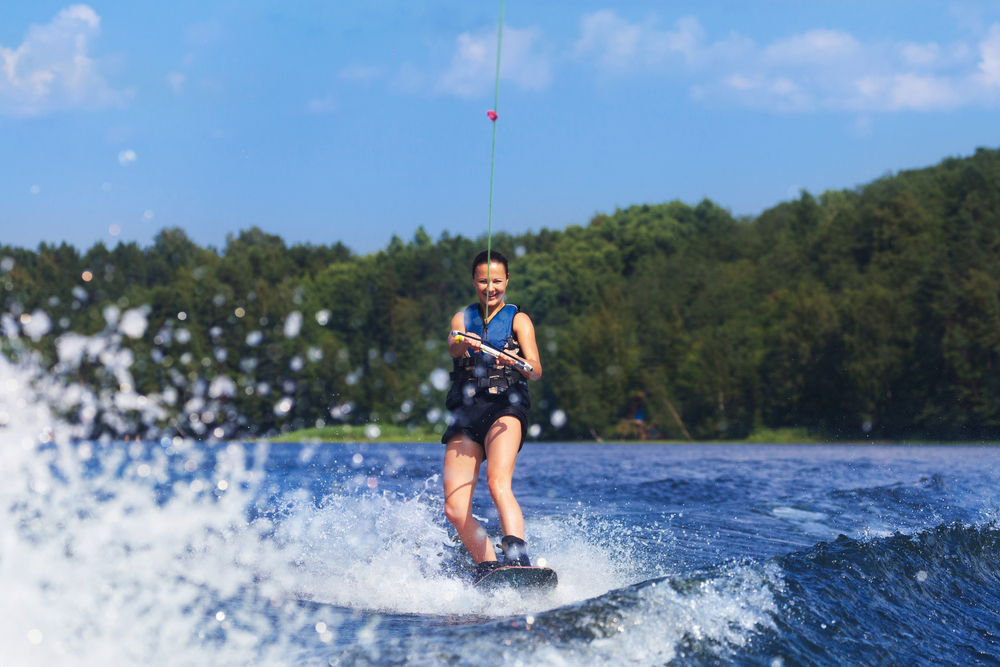
Watersports are more than weekend fun. From calorie burn to cardiovascular strength to powerful mood benefits, water-based exercise offers a full-body workout that feels nothing like traditional training.
Is your exercise routine starting to feel repetitive? If running in circles or lifting weights has lost its appeal, watersports might be the shift your body and mind have been waiting for. More people are turning to the water for accessible, enjoyable, full-body movement that feels more like play than training.


Whether it’s wakesurfing, paddleboarding, or just swimming laps, getting in the water challenges every part of your body. And the best part is you don’t even feel like you’re working out.
You’re just having too much fun to notice the calories being burned.
Why Watersports Beat Your Average Workout
Even the most motivated of us can find gym routines tedious. Time on the treadmill or weights can feel tedious and unrewarding.
Water sports are the complete opposite. You are out having an adventure. Riding waves, sliding through wakes, or paddling to a secluded island. The physical exertion is just a side effect of the fun you’re having.
The water itself also changes the way muscles behave. Every movement meets resistance. Your legs stabilise constantly, your arms pull and steer, and your core remains engaged from the moment you enter the water.
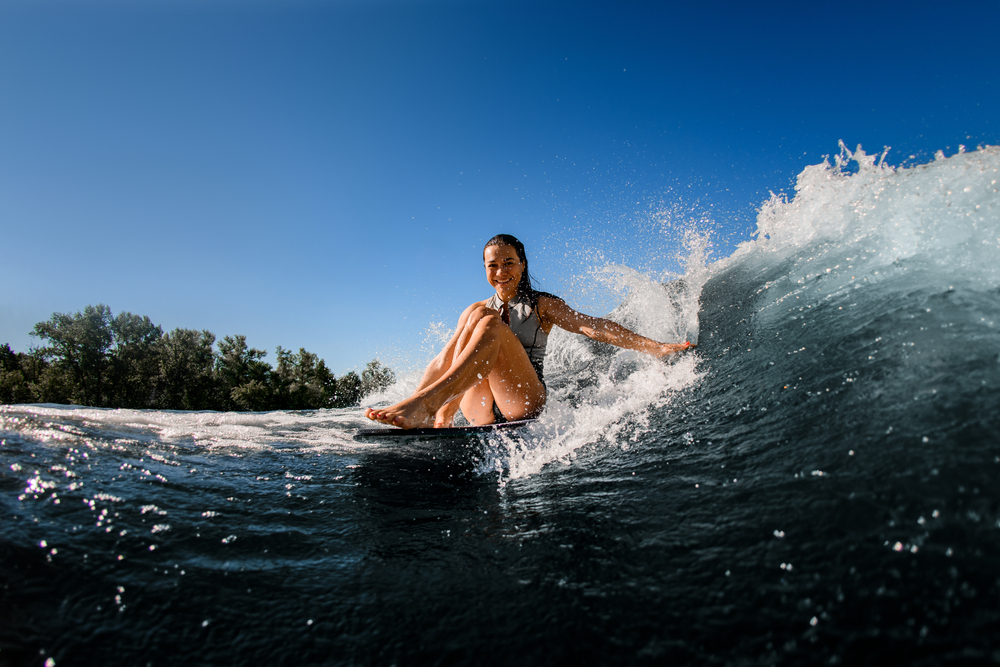
Even if you are primarily interested in one water sport, like wakesurfing, it helps to broaden your horizons. Try paddleboarding for starters, you do not need to buy the most expensive paddleboard to start. Knowing more will help you in your chosen watersport as you get more into it.
(Of course, if you are really planning to get into wakesurfing there are certain things you should know before you start. Check out this guide to buying the right wakesurf board to help you get started.)
What Happens to Your Body When You Start Watersports
Exercise and diet can seem like a chore for many people. You either don’t have the time, don’t like it, or find it boring.
Throwing on a life jacket and heading out onto the water is anything but boring. Challenging yourself to paddle faster, stay balanced, or stand up on a board is an exciting form of fitness.
1. Watersports Burn More Calories Than You Expect
Water creates natural resistance, meaning your muscles work harder with every stroke, push, or pull. Activities like wakesurfing can burn 300 to 400 calories an hour depending on body size and intensity. That is almost double what you would burn just going for a walk – yet the workout rarely feels forced because you are immersed in an activity that is engaging and dynamic.
Maintaining balance on an unstable surface activates deep core muscles, while paddling works the shoulders, back, and arms. Over time, these micro-challenges add up to a substantial calorie deficit.
2. A Stronger Heart and Lungs
Watersports are great cardio workouts for your heart and lungs.
Swimming, paddling, and surfing all provide interval training as you go through bursts of high-intensity exertion followed by brief rest periods. This form of training supports cardiovascular conditioning by strengthening the heart and improving circulation.
People who engage in regular water-based exercise often notice:
- A lower resting heart rate
- Stronger blood circulation
- Reduced risk of heart disease
- Better lung capacity
3. Strength Building Without Heavy Weights
One of the best ways to get toned, strong muscles is through water sports.
Water naturally provides resistance for building lean muscle without having to lift weights. Your arms get stronger paddling and maintaining your grip. Your legs and core develop from supporting your weight and balance.
The low-impact aspect of water exercise means less joint stress. This makes water sports a great fitness option for those recovering from injuries or who are looking for gentler ways to exercise.
4. Improved Balance and Coordination
Balancing on an unstable surface, constantly adjusting for waves and your movement all work those stabiliser muscles in your body.
The unstable environment forces micro-adjustments that strengthen stabiliser muscles. Over time, this improves not only athletic performance but everyday safety, especially by reducing the risk of slips and falls.
How Watersports Support Mental Wellbeing
Water has long been associated with psychological calm, and research continues to support this.
1. Stress Reduction
Studies involving outdoor swimmers and surfers consistently show improved emotional well-being. It is hard to be stressed out when you are paddling on a flat lake or riding some waves.
According to a survey conducted by Surfers Against Sewage 85% of people reported feeling refreshed and revitalised after spending time by the sea. The therapeutic properties of being around water are undeniable.
You will not find that level of stress reduction from a supplement or vitamin pill.
2. A Natural Mood Enhancement
Riding waves, carving the wake, feeling the warm sun, all these things trigger your body’s natural feel-good chemicals called endorphins.
Combined with vitamin D from the sun and the meditative aspects of water sports, you are looking at a recipe for improving mood.
Participants often describe water time as therapy. Being on the water gives you something to focus on that forces anxious or negative thoughts to take a back seat. Studies have shown outdoor swimming has a much more significant potential for positive impact on mental health conditions than no activity at all.
3. Building Social Connection
Many watersports are social activities.

Sharing a boat with friends, taking a surfing lesson, or meeting other paddleboarders by the lake all build a sense of community. Having companions reinforces accountability, making people more likely to sustain regular activity.
How to Safely Enjoy Watersports
Got your heart rate up yet? Before you hit the water, here’s how to make sure you have a safe and healthy time.
- Start With Basics
Learning proper technique and safety practices prevents injuries and builds foundational confidence. - Invest in Quality Gear
The right board, life jacket, and accessories make all the difference. Do some research on boards and watercraft to see what works best for your skill level and the type of water sport you are interested in. - Know Your Limits
Always start in calm conditions and work your way to rougher waters as your abilities improve. Even if it is just a quick session, make sure you have a friend with you or be in areas where help is close by.
Equipment Essentials
Depending on your activity, pack your essentials, which may include:
- Fitted life jacket
- Appropriate footwear
- Sun protection, including waterproof sunscreen
- The right board or watercraft for your level
- Hydration
The Takeaway
Water sports are a uniquely healthy and fun way to improve your fitness and mental well-being. They challenge your entire body, help you build strength and endurance, burn calories, and have an amazing stress-reducing effect.
The benefits also extend past the physical, building community and helping you connect with nature.
Most importantly, you do not need prior fitness experience to begin. A simple paddle on a calm lake or an introductory surf lesson can open the door to a new, sustainable lifestyle habit.
If your workout routine has been feeling stagnant, the water may be exactly what brings movement back to life. It’s time to make a splash!

