


Our inclination towards trends like pickleball and maximising gut health are not just in vogue – they help shape a wellness routine that feels more holistic, personalised and fun.
It is 2026, and our concept of “being healthy” is no longer what it used to be. Forget the strict diets, arduous workouts, and the never-ending list of habits we are supposed to build and optimise – we now understand that delving into the extremities doesn’t always work well for us.


Instead, wellness has taken on a form that embraces balance and sustainability – and these are represented in some of the biggest health trends of today.
From the rise of pickleball to the unexpectedly powerful benefits of cosy hobbies, here are five health trends we are loving right now.
Pickleball: The Sport Everyone’s Trying

If there is one sport that has gained mass acclaim these past few years, it is pickleball.
A hybrid of tennis, badminton and table tennis, pickleball has gained a massive following thanks to its accessibility and social nature. It is easy to pick up quickly, and is both beginner-friendly while providing enough of a strategic challenge for more experienced players. This balance means people of different ages and fitness levels can play together.
The social component is one of the biggest reasons for its popularity; the community is open and encouraging. Many people who may feel intimidated by gyms or other competitive sports might find pickleball a more relaxed way to stay active and socially engaged.
Considering that it is a low-impact sport, the health benefits are quite significant. It serves as a form of moderate exercise that can improve balance, coordination and agility. It is also not too physically intense, and is easier on the joints. In addition, the strategic aspect of pickleball can have a profound impact on cognitive health.
In short, pickleball is proof that movement does not have to feel like a workout. It can be fun – and this is the best motivator for staying active.
Hormone Health: A Gender Reframe

For years, conversations about hormones were largely focused on women’s reproductive health. However, we have come to understand that hormones are central to overall wellbeing – for both women and men.
Hormones regulate numerous bodily processes, including metabolism, sleep, mood and sexual function. When they slip out of balance, you may experience symptoms like fatigue, mood fluctuations and weight changes.
Women’s hormone health has been receiving plenty of attention in areas such as the menstrual cycle, menopause and fertility. However, more is also being done to increase awareness for the men’s side. For instance, greater attention is being paid to testosterone health and age-related shifts in metabolism.
This shift towards hormone literacy is empowering people to better understand their bodies. More importantly, it diminishes the stigma around discussing hormonal health, helping people – regardless of gender – seek support earlier and take proactive steps towards balance.
Gut Health: The Foundation of Wellness

We are what we eat, and the greater focus we have been giving to gut health in recent years highlights how much food can impact our overall wellbeing.
The gut microbiome, which houses trillions of bacteria and microorganisms in our digestive system, plays a surprisingly comprehensive role in the body. Researchers have linked gut health to everything from immunity, metabolism and skin, to hormones, sleep and mood.
As awareness grows, more people are focusing on nutrition not just for calorie counting or weight management, but for how it supports the microbiome. Foods that promote digestive health, such as fermented foods like yoghurt and kimchi, or those high in fibre like vegetables, oats, beans and nuts, are becoming staples in everyday diets.
Instead of restrictive dieting, nutritional wellness is focused on nourishing the body with diverse, enriched ingredients. Probiotics, prebiotics and digestive enzymes are also becoming increasingly popular as people recognise the importance of maintaining a balanced microbiome.
Digital Health Tools: A Transformative Approach to Wellbeing
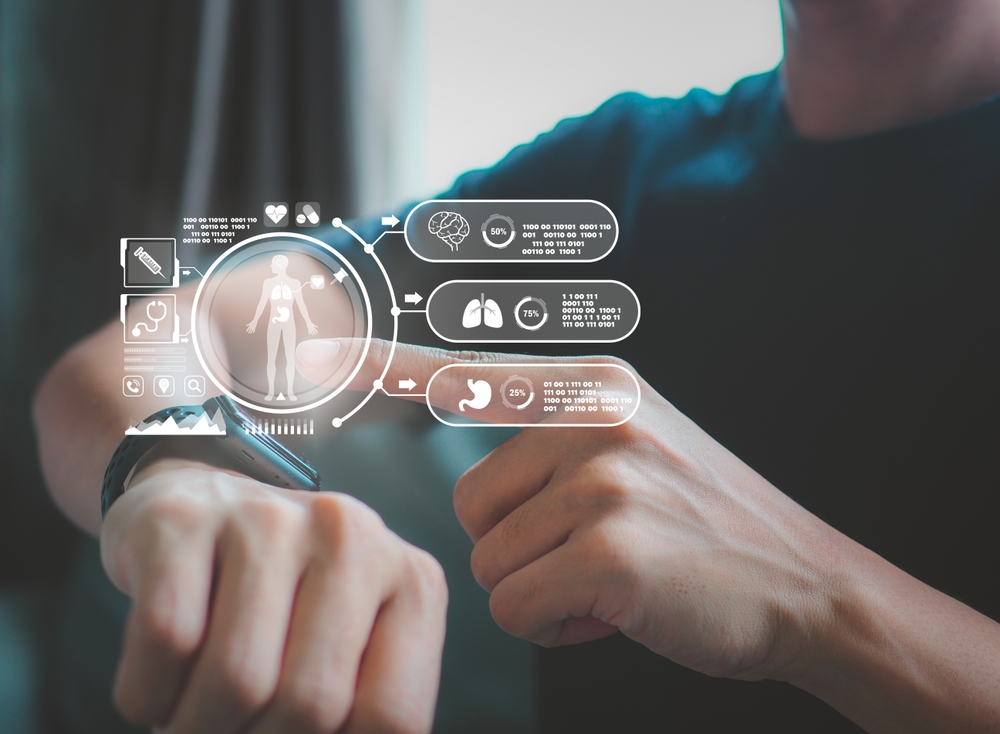
The advancement in technology has given us powerful tools with which to track our health metrics, whether that is something as basic as the number of steps we take, or more complex elements like our stress levels and sleep quality. Modern wearables help us monitor and improve our wellbeing in real time, and the insights that come about from these metrics allow us to make more informed decisions about our daily habits.
Artificial intelligence (AI) is also playing a bigger role in personalised wellness. In fact, people have already been using it to help support different aspects of their health, including learning about conditions and picking up coping strategies.
Telemedicine and remote health services are another important part of this digital shift, making healthcare more accessible and convenient.
Ultimately, these tools are meant to help us monitor our wellbeing daily, and take proactive steps towards better health.
Cosy Wellness: A Different Perspective on Health
Wellness routines no longer have to be about intense exercise regimes and constant productivity – they can be about slowing down while creating habits that still nurture both physical and mental health.
This is the mindset that forms the foundation of cosy wellness.
“This trend has surged on platforms like TikTok because it offers people a form of healthy escapism in our fast-paced world, providing a ‘retreat’ to serene and comforting settings,” said Ms Priscilla Shin, principal psychotherapist of RANGE Counselling Services, in CNA.
It forms part of a larger cultural move towards balance and mental wellbeing. Practices like cosy cardio, meditation and journaling focus on building calming environments and rituals that support emotional wellness while encouraging consistency. After all, gentle habits are often easier to sustain long-term compared to extreme routines.
This exemplifies how improvement does not have to involve drastic transformations. It can comprise soothing and uplifting changes that make it easier for us to support healthier lifestyles over a long period of time.
Embracing Human-Centred Wellness
If there is one thing these trends reveal, it’s that the healthiest routines are ones that feel good enough to stick with, and help us understand ourselves better.
It shows us that wellness doesn’t mean doing more. It can just mean doing things differently.
References:
- Cleveland Clinic. (2022, February 23). Hormones. Retrieved from: https://my.clevelandclinic.org/health/articles/22464-hormones
- Cleveland Clinic. (2023, August 18). Gut Microbiome. Retrieved from: https://my.clevelandclinic.org/health/body/25201-gut-microbiome
- Lam, N. (2025, November 6). Gen Zen: Slow down, get onboard the ‘cosy’ trend; it can boost your mental health. CNA. Retrieved from: https://www.channelnewsasia.com/today/mental-health-matters/gen-zen-cosy-trend-boost-mental-health-4633371
- Mutchler, C. (2026, January 7). Restoring Gut Health: Strategies for a Healthier You. Health. Retrieved from: https://www.health.com/how-to-heal-your-gut-8769420

