

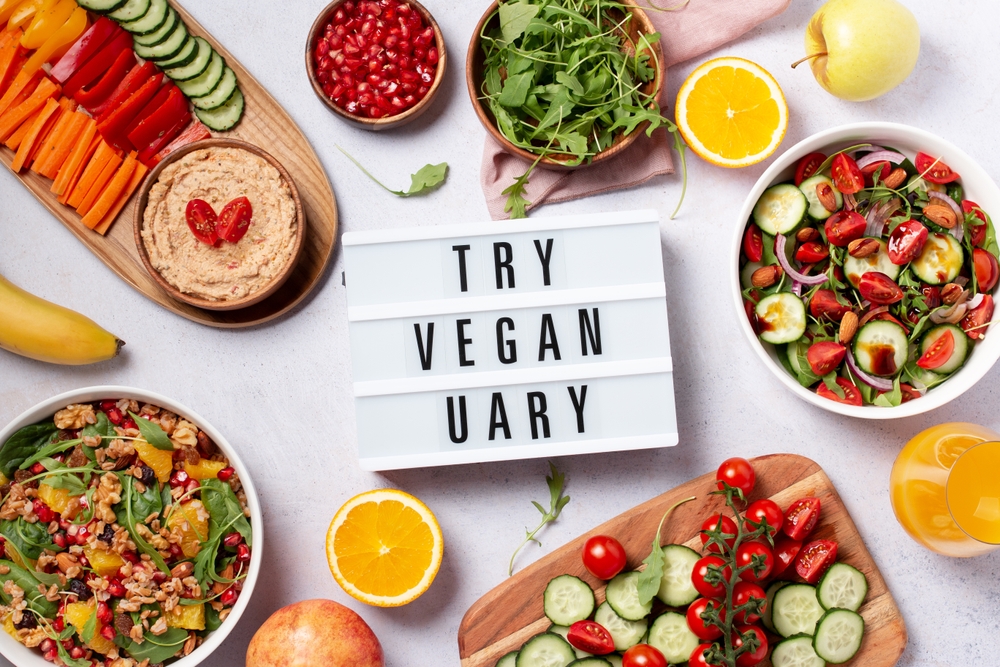
Veganuary is a global movement that encourages people to try a vegan diet for the month of January, and while it comes with a variety of benefits, it does have some drawbacks for our health.
The coming of January always has a distinctive effect on us, inducing many of us go “new year, new me”. This can include new habits, new promises, and a whole new way of eating.


And what better way to keep to that last commitment by following an international campaign on going vegan?
Each year, Veganuary encourages people to go vegan for a month, for very commendable reasons: the defence of animals and the protection of our environment from the worst of food production (think the decimation of our forests and the exacerbation of climate change). The goal is to show us that if we can make it through the month, what is stopping us from sticking to this diet throughout the year?
Thankfully, the availability of vegan alternatives paired with the fact that many of our daily foods, including fruits, vegetables and grains, are already meat-free makes this change less daunting than it would have been a decade ago.
And the part that we all support, animal-lover or not, is the fact that this dietary switch can be fantastic for our health.
But only when done the right way.
First, What Really Makes Up a Vegan Diet?
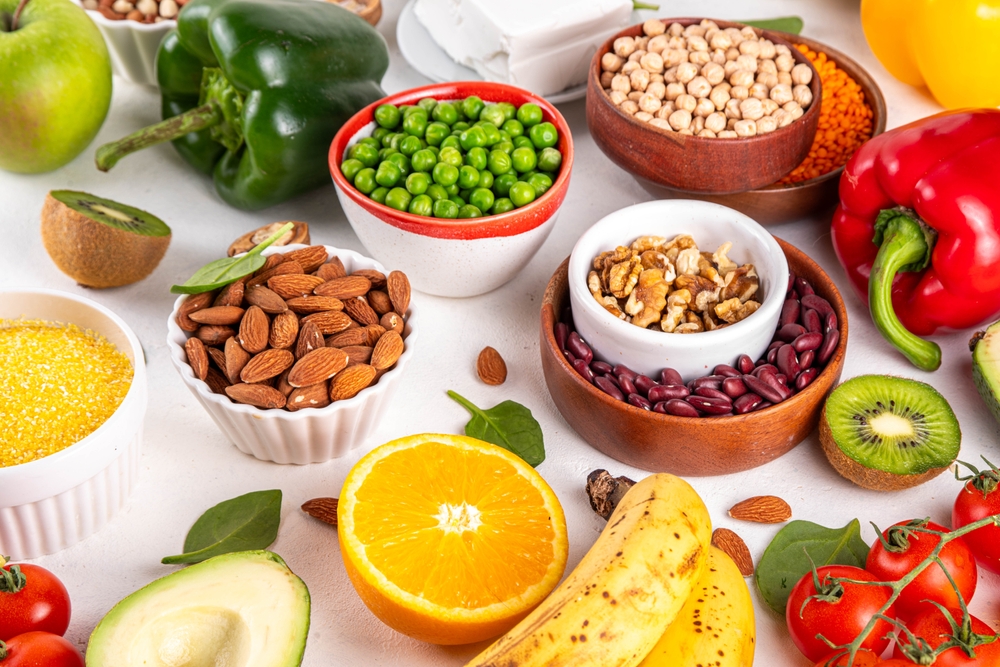
At its essence, a vegan diet excludes all animal products. This means no meat, fish, eggs, dairy, honey, or other animal-based ingredients like gelatine or whey.
Instead, meals are built around:
- Fruits and vegetables
- Whole grains, cereals, rice and breads
- Legumes like beans and lentils
- Nuts and seeds
- Plant-based dairy made from sources such as oats, soy and coconut
- Plant-based oils and fats
The Pros of Going Vegan
A diet enriched with plant-based foods are higher in vitamins, minerals, antioxidants, fibre, and other compounds, and this can improve our overall health in a variety of ways.
Supports Weight Management
Not only do observational studies show that vegans tend to be slimmer than non-vegans, research concludes that vegan diets are generally more effective for weight loss.
This is largely because plant-based foods are often less calorie-dense while still being filling, and this can be attributed to their higher water and fibre content. It does not always guarantee weight loss, but it does mean that the vegan diet can support sustainable weight management without having to rely on calorie counting.
Improves Blood Sugar Levels
It is no accident that vegans are predisposed to having lower blood sugar levels and higher insulin sensitivity.
Their diets are rich in fibres and other nutrients, and lower in saturated fat, which is more often found in animal-based products. Hence, vegans are more naturally able to offset blood sugar spikes and avoid insulin resistance while still achieving satiety. This is important for reducing the risk of type 2 diabetes and other metabolic diseases.
Boosts Heart Health
Veganism has a positive effect on our cardiovascular system, helping us reduce our risk of developing high blood sugar or high blood pressure.
This could be because vegan diets tend to be lower in saturated fat and cholesterol, both of which are strongly linked to heart diseases.
Other Potential Health Benefits
The comparatively higher nutrient intake as contributed by a plant-based diet can also help us ward off various cancers, reduce arthritis symptoms, and may potentially lower our risk of developing Alzheimer’s.
The Flip Side: When A Healthy Diet Isn’t Healthy Enough
It is important to understand that vegan does not always equate to health.
A Higher Risk of Certain Nutritional Deficiencies
Studies have found that vegan diets are linked to lower consumptions of a variety of vitamins and minerals, including vitamin B12, iron, protein and calcium.
“This is because many of these nutrients are found primarily or only in animal sources,” said Ms Diane Seto, a senior dietician at Mount Elizabeth Hospital, in CNA.
This means that if we do not want our healthy diet to result in nutritional gaps, we have to supplement these nutrients in other ways.
Vegan Diets Can Still Include Ultra-Processed Foods (UPFs)
Microwavable vegan meals, fried vegan meat, and vegan desserts look like they have the appropriate labels, but you might be taking in less wholesome fare with each bite.
“Not all vegan diets are healthy,” declared Ms Seto. “A vegan diet that includes predominantly processed or deep-fried foods, or is high in fat and refined sugar, is not healthy.”
The Necessity of Intentionality
A vegan diet can be incredibly nourishing and empowering, but adopting it in a way that benefits your overall wellbeing requires us to understand both its benefits and blind spots.
So if you want to go vegan, practice diligence when it comes to checking nutrition labels and ingredient lists, especially if you are picking up a pack of processed foods. Be conscious of their sugar, salt and fat content, and select those with less additives and more nutrients.
Be sure to purchase a few supplements to make up for any nutritional deficiencies, especially vitamin B12.
Remember, what we eat can shape how we age and how we feel. Veganuary shows us that perhaps the most radical change isn’t necessarily doing more, but simply making different choices, whether they last a month, or the whole year.
Read More
- Vegan and Vegetarian Diets: What You Need to Know
- Is the Raw Vegan Diet Healthy? Pros, Cons, and Facts
- Why Going Meat-Free Might Not Be the Health Fix You Think
References
- Baker, J. A. (2022, September 16). Living the plant-based life: Growing appetite for vegan food in Singapore. CNA. Retrieved from: https://www.channelnewsasia.com/singapore/vegan-plant-based-food-growing-market-2899661
- Barnes, E. (2026, January 16). The Vegan Diet: Everything You Need to Know About Plant-Based Foods. Verywell Health. Retrieved from: https://www.verywellhealth.com/vegan-diet-7496061
- Edwards, J. (2025, October 1). What Does It Mean To Be Vegan? Health. Retrieved from: https://www.health.com/vegan-7256901
- Kubala, J. (2023, December 19). Is Saturated Fat Unhealthy? Healthline. Retrieved from: https://www.healthline.com/nutrition/saturated-fat
- Lehman, S. (2021, December 21). Pros and Cons of a Vegan Diet. Verywell Fit. Retrieved from: https://www.verywellfit.com/health-benefits-and-risks-of-eating-vegan-4104567
- Petre, A. (2025, September 12). 6 Science-Based Health Benefits of Eating Vegan. Healthline. Retrieved from: https://www.healthline.com/nutrition/vegan-diet-benefits
- Stavitz, J., Porcelli, R., & Gentile, J. (2025). The Role of Plant-Based Nutrition and Exercise in Metabolic Syndrome: A Narrative Review. Nutrients, 17(9), 1498. Retrieved from: https://pmc.ncbi.nlm.nih.gov/articles/PMC12073408/
- Veganuary. (n.d.). Retrieved from: https://veganuary.com/

