


New research from the American Society of Hematology suggests ultramarathons may reduce red blood cell flexibility and accelerate cellular ageing, raising questions about extreme endurance training.
You thought you were being healthy when you picked up running. And you probably are!


But what if pushing your body to ultramarathon extremes is in fact ageing your blood cells in the process?
A new study published on 18 February 2026 in Blood Red Cells & Iron, a journal by the American Society of Hematology, suggests that ultra-endurance races may damage red blood cells in ways that could impair how well they function.
The question stands – how far should exercise should go before they become “unhealthy”?
What Happens to Your Blood During an Ultramarathon?
Red blood cells are small, flexible discs that carry oxygen to your tissues and remove waste products. Their ability to bend and squeeze through tiny blood vessels is essential for survival.
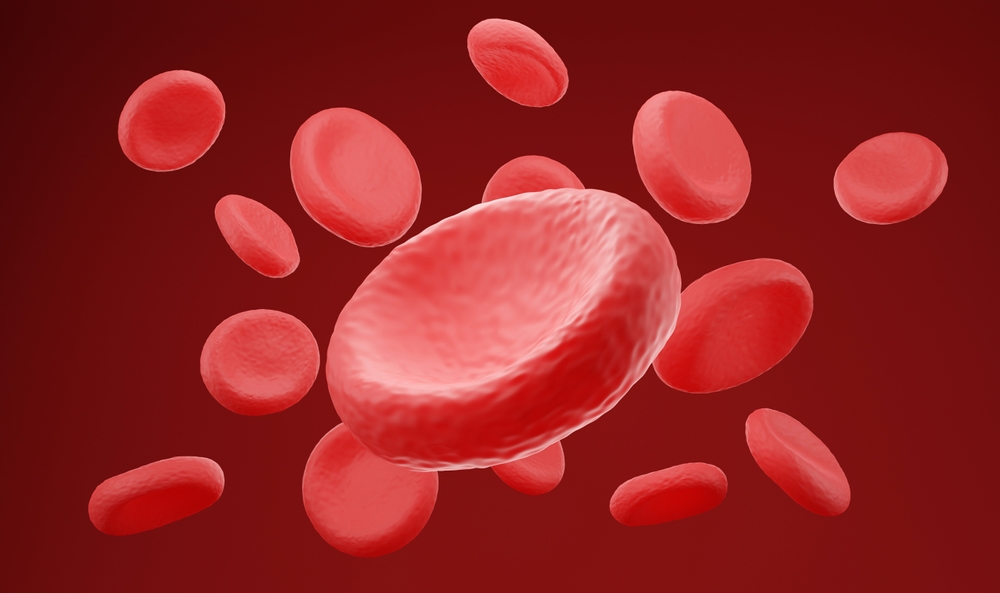
Earlier research had already shown that ultramarathon runners frequently experience a breakdown of red blood cells during races – also known as exercise-induced haemolysis. In some cases, this can contribute to temporary anaemia.
In this new study study, researchers analysed blood samples from 23 runners before and after two extreme races:
- Martigny-Combes à Chamonix (A 40 km / 25 miles race)
- Ultra Trail du Mont Blanc (A 171 km / 106 miles race)
They obtained blood samples from the athletes immediately before and after their races, and conducted an extensive molecular analysis, examining thousands of proteins, lipids, metabolites and trace elements in both plasma and red blood cells.Even after the shorter 40 km race, signs of red blood cell damage were visible.
After the 171 km event, the effects were significantly more pronounced. As the race distance increases, more red blood cells may be lost or damaged. That is to say, the very cells that keep you going may be struggling to keep up.
Why Does This Damage Happen?
Their findings revealed clear and consistent evidence of cellular injury driven by two broad forces: mechanical stress and molecular stress. The mechanical strain was likely linked to repeated fluctuations in blood flow and fluid pressure during prolonged, high-intensity running.
At the same time, prolonged exertion triggers systemic inflammation and oxidative stress. Oxidative stress occurs when the body has lower levels of antioxidants and higher levels of reactive molecules that damage DNA, proteins and cell membranes.
Red blood cells are particularly vulnerable
“Participating in events like these can cause general inflammation in the body and damage red blood cells,” said the study’s lead author, Travis Nemkov, PhD, associate professor in the department of biochemistry and molecular genetics at the University of Colorado Anschutz.
Study Caveats
The study included only 23 participants and measured blood at just two time points: before and immediately after races. There was limited racial diversity. Researchers plan to conduct larger, longer-term studies to understand recovery timelines.
Is This Temporary, Or Something More?
One of the findings was that damage increased with race distance. Somewhere between a marathon and an ultramarathon, cellular stress appears to shift from manageable to measurable injury.
The researchers observed patterns similar to what happens when donated blood is stored for transfusions. Stored blood begins to deteriorate over time and typically cannot be used after six weeks. The same molecular signatures of stress and ageing were seen in these athletes.
This suggests that extreme endurance stress may push red blood cells down pathways typically associated with storage ageing, not simply fatigue. Until further research is done, it remains unclear whether these changes are transient or cumulative.
Is Running Ultramarathons Bad For Me?
Moderate exercise is consistently linked to improved cardiovascular health, better metabolic control, and lower risk of chronic disease. Public health guidance continues to encourage regular physical activity.
However, when it comes to extreme endurance sports, there is growing evidence that pushing the body beyond certain physiological thresholds may carry trade-offs. These can include hormonal disruption, immune suppression, and now, possible red blood cell injury.
For recreational runners clocking 5 to 10 kilometres a few times a week, this study does not suggest cause for alarm. But for those training for 100-mile races, it may be worth considering how recovery, nutrition, and monitoring strategies are structured.
“Based on these data, we don’t have guidance as to whether people should or should not participate in these types of events; what we can say is, when they do, that persistent stress is damaging the most abundant cell in the body.” Nemkov commented.
Furthermore, these findings could have implications outside athletics. If researchers can better understand how mechanical and oxidative stress accelerate red blood cell ageing, it may improve how blood is stored for transfusions.
Blood banks around the world face challenges in preserving red cell quality over time. Insights from ultra-endurance stress may inform strategies to protect cell function in clinical settings.

