


New technological breakthroughs in HPB cancer surgery, including fluorescent dyes and robotic precision, are helping surgeons in Asia overcome the challenges of complex anatomy.
Hepatopancreatobiliary (HPB) cancers arise from the liver, pancreas, gallbladder, and bile ducts. While the term may sound complex, it reflects the intricate nature of the organs involved and the significant challenges faced when treating these conditions.


Fortunately, advances in technology are transforming the surgical management of these malignancies. Indocyanine green (ICG) fluorescence imaging and robotic-assisted surgery offer new possibilities for precise treatment.
What are HPB cancers?

Spot the Symptoms
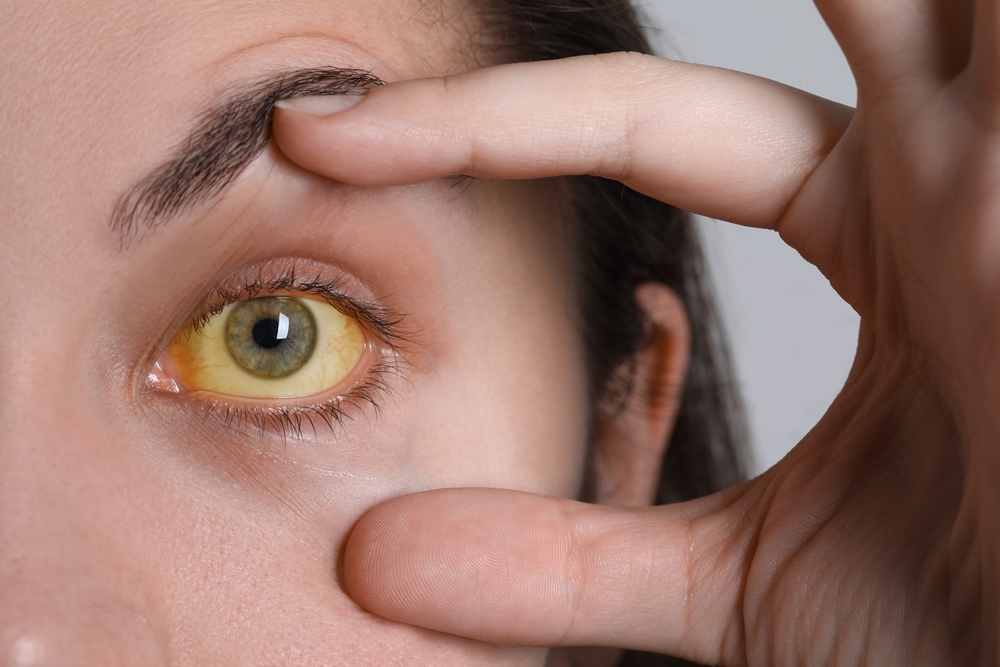
Symptoms are often absent during the early stages of HPB cancers. These signs typically start developing only when the disease has progressed to an advanced stage. Common symptoms include nausea, vomiting, and pain in the upper right abdomen. Patients may also experience stomach bloating, unexpected weight loss, or jaundice, which is the yellowing of the skin and eyes.
Challenges in Treating HPB Cancers
To understand the treatment better, we spoke to Clinical Associate Professor Adrian Chiow Kah Heng, Senior Consultant of Hepatopancreatobiliary Service in the Department of Surgery, and the Director of Surgical Care Transformation at Changi General Hospital.
“HPB cancer surgery is one of the most demanding procedures in cancer surgery,” Professor Chiow explained.
Several hurdles make these operations difficult. Complex anatomy is a major factor, as the liver, pancreas, gallbladder, and bile ducts are closely connected to each other by many critical blood vessels. Structural differences among the organs may further complicate the surgery.
Additionally, many HPB cancers are asymptomatic in the early stages, leading to a late presentation of symptoms. Diagnosis often occurs when tumours already involve a large part of the organs. Late diagnosis complicates surgery and leads to higher mortality rates of between 30% and 50%.
What is New in Treatment?
New technological advances are reshaping HPB cancer surgery. Innovations such as indocyanine green (ICG) fluorescence imaging and robotic-assisted surgery are offering new hope for improved patient outcomes.
ICG Fluorescence Imaging
View this post on Instagram
Indocyanine green (ICG) is a safe fluorescent dye. After it is administered into the bloodstream, the liver cells selectively take up the dye and excrete it into the bile. When exposed to near-infrared light, ICG emits a glow that can be detected by specialised camera systems.
Associate Professor Chiow noted: “Indocyanine green (ICG) fluorescence imaging improves intraoperative visualisation in HPB procedures by acting as an ‘illumination source’ that reveals structures otherwise hidden during complex surgeries.”
Benefits of ICG fluorescence imaging include:
- Enhancing visualisation, particularly around the bile ducts with structural variations
- Identifying localised tumours and their margins clearly
- Facilitating precise resection for complete tumour removal while minimising healthy tissue injury
- Detecting bile leaks
- Better assessment of blood circulation in vital organs (e.g. the liver)
Robotic-Assisted Surgery

This system uses robotic arms equipped with a high-definition camera and surgical instruments. Such technology allows surgeons to perform complex procedures precisely through real-time, magnified, three-dimensional (3D) images of the surgical site. When used together, robotic-assisted surgery further amplifies the benefits of ICG fluorescence imaging.
Benefits of Robotic-assisted surgery include:
- Minimally invasive procedures performed through small incisions
- High-definition views of surgical site for precise resection
- Reduced risk of complications (e.g. surgical site infection, blood loss)
- Lower risk of injury to the surrounding healthy tissues
- Less postoperative pain
- Faster recovery
- Minimal scarring
Potential Risks and Contraindications
While these technologies offer significant advantages, they also possess certain limitations that patients should understand.
Regarding ICG fluorescence imaging, the primary challenges include poor dye penetration in deeply located bile ducts or blood vessels and the potential for inaccurate results in specific conditions. Specialised imaging systems also carry a high cost, which may limit availability.
On the other hand, robotic-assisted surgery requires a significant financial investment for the equipment and involves longer operating hours for certain complex cases. Surgeons must undergo extensive training to master these systems, and there is a current lack of sufficient training opportunities in some regions. Access to robotic platforms remains limited in many hospitals, and medical experts continue to evaluate whether these techniques are definitively superior to conventional surgery in every scenario.
Recognising The Limitations
Clinical Associate Professor Adrian addressed the limitations of these technologies by highlighting the growth of regional expertise. Specialist surgical teams in Singapore have established structured training programmes, conferences, and workshops to share knowledge with colleagues across Southeast Asia. These initiatives focus on applying ICG techniques across various medical specialities to improve regional standards.
View this post on Instagram
“Societies subspecialising in ICG fluorescence, such as the International Society of Fluorescence Guided Surgery (ISFGS) has been also leading the way to promote the safe implementation and adoption of ICG guided surgery through clinical practice guidelines, education and promotion of basic and clinical research. Meanwhile, the adoption of robotic-assisted HPB surgeries is growing exponentially worldwide, as more complex procedures are being done.”
Evidence and Clinical Outcomes
Real-world evidence strongly supports the use of these advanced tools in the operating theatre. A massive analysis involving 3,457 patients revealed that using ICG imaging during gallbladder removal significantly reduced time spent under the knife.
Local research in Singapore has further confirmed that this fluorescent technique is a safe and highly effective way to pinpoint tumours during liver surgery. Additionally, another review of 959 patients found that those undergoing ICG-assisted liver surgery required fewer blood transfusions and returned home from the hospital sooner. Perhaps most impressively, one study reported that 98.6 per cent of liver cancer patients achieved “clear margins”—the total removal of all cancerous cells—when ICG was used, compared to only 93.1 per cent without it. These statistics highlight a clear leap forward in surgical precision and patient safety.
Key Takeaways
ICG fluorescence imaging and robotic-assisted surgery have critical potential to enhance outcomes in HPB cancer surgery. Wider adoption, particularly in complex cases, may greatly benefit both surgeons and patients. With adequate training and technological refinement, these innovations represent a significant step forward in improving safety and surgical quality for those fighting these challenging cancers.
References
- How Far Can the Liver Really Heal Itself? Medical Channel Asia. Updated: 9 December 2025. https://medicalchannelasia.com/liver-health/how-far-can-the-liver-really-heal-itself/
- Clin Assoc Prof Adrian Chiow Kah Heng. Changi General Hospital. https://www.cgh.com.sg/doctor/general-surgery/adrian-chiow-kah-heng
- Dai ZY, Shen C, Mi XQ, Pu Q. The primary application of indocyanine green fluorescence imaging in surgical oncology. Front Surg. 2023 Feb 17;10:1077492. https://pmc.ncbi.nlm.nih.gov/articles/PMC9982003/
- Robotic Surgery. Mayo Clinic. Updated: 13 April 2024. https://www.mayoclinic.org/tests-procedures/robotic-surgery/about/pac-20394974
- Lie H, Irawan A, Sudirman T, Budiono BP, Prabowo E, Jeo WS, Rudiman R, Sitepu RK, Hanafi RV, Hariyanto TI. Efficacy and Safety of Near-Infrared Florescence Cholangiography Using Indocyanine Green in Laparoscopic Cholecystectomy: A Systematic Review and Meta-Analysis. J Laparoendosc Adv Surg Tech A. 2023 May;33(5):434-446. https://pubmed.ncbi.nlm.nih.gov/36576572/
- Asad U, Wang CF, Jones MW. Laparoscopic Cholecystectomy. Updated:2 July 2025. https://www.ncbi.nlm.nih.gov/books/NBK448145/
- Lim HJ, Chiow AKH, Lee LS, Tan SS, Goh BK, Koh YX, Chan CY, Lee SY. Novel method of intraoperative liver tumour localisation with indocyanine green and near-infrared imaging. Singapore Med J. 2021 Apr;62(4):182-189. https://pubmed.ncbi.nlm.nih.gov/31680180/
- Zhou K, Zhou S, Du L, Liu E, Dong H, Ma F, Sun Y, Li Y. Safety and effectiveness of indocyanine green fluorescence imaging-guided laparoscopic hepatectomy for hepatic tumor: a systematic review and meta-analysis. Front Oncol. 2024 Jan 3;13:1309593. https://pubmed.ncbi.nlm.nih.gov/38234399/
- Tangsirapat V, Kengsakul M, Udomkarnjananun S, Sookpotarom P, Rattanasakalwong M, Nuchanatanon J, Kongon P, Wongta K. Surgical margin status outcome of intraoperative indocyanine green fluorescence-guided laparoscopic hepatectomy in liver malignancy: a systematic review and meta-analysis. BMC Surg. 2024 Jun 12;24(1):181. https://pmc.ncbi.nlm.nih.gov/articles/PMC11167816/
- Coco D, Leanza S, Viola MG. Indocyanine green fluorescence navigation in robotic liver segmentectomies: a systematic review and meta-analysis. J Robot Surg. 2025 Sep 14;19(1):603. https://pubmed.ncbi.nlm.nih.gov/40946261/
- Adrian K H Chiow, Seoung Yoon Rho, Ian J.Y. Wee, Lip Seng Lee, Gi Hong Choi. Robotic ICG guided anatomical liver resection in a multi-centre cohort: an evolution from “positive staining” into “negative staining” method. HPB. 2021;23(3): 475-482. https://www.sciencedirect.com/science/article/pii/S1365182X20311175

