

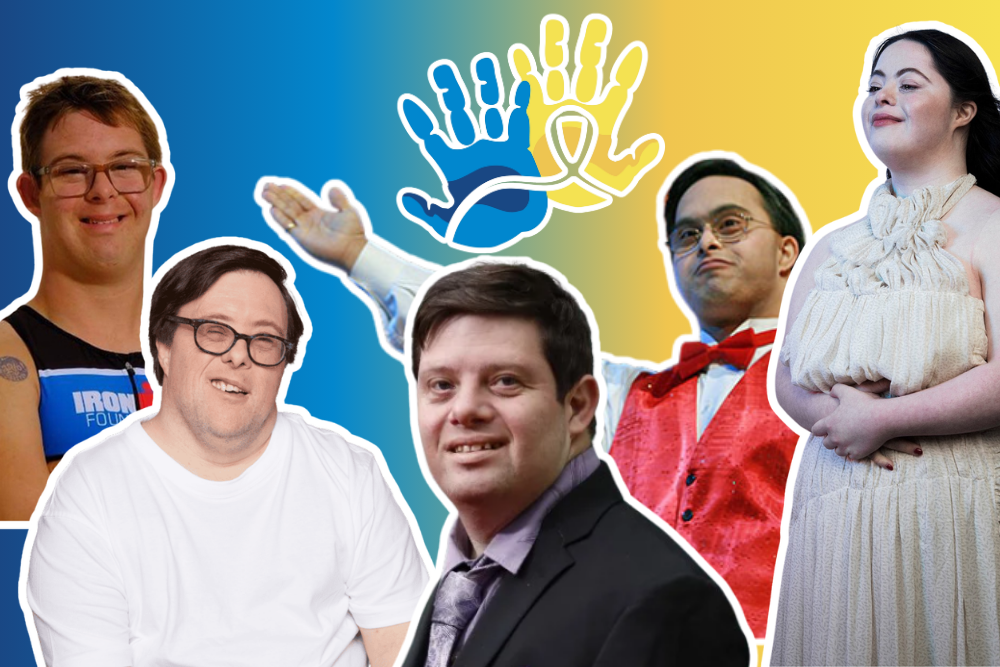
On World Down Syndrome Day, five individuals challenge stereotypes and redefine what it means to live with Down syndrome across sports, media, and education.
Every year on March 21, the world comes together to celebrate those special individuals born with an extra 21st chromosome. This additional trisomy defines Down syndrome, a genetic condition that has long been misunderstood.


What is Down Syndrome?
Down syndrome is a genetic condition caused by the presence of an extra copy of chromosome 21. It can affect the body physically as well as developmentally.
Physical features include:
- A flattened face and nose bridge
- Almond shaped, upward slanting eyes
- Shorter than average height
Developmentally, people with Down syndrome may experience:
- Congenital heart defects
- Hearing loss
- Obstructive sleep apnoea
- Slower to learn to speak than other children
However, it is not a condition with just one presentation. Some individuals require more support. Others pursue higher education, build careers, and live independently. The variability is often lost in public perception, which tends to flatten the condition into a single narrative.
Often, those with Down syndrome are underestimated and overlooked. Today, that narrative is changing.
Across industries, from sports to entertainment, individuals with Down syndrome are breaking barriers and reshaping public perception. They prove that life isn’t guided by constraints, but by capabilities and ambitions.
On this World Down Syndrome Day, we spotlight five of these individuals who challenge expectations, exemplifying how human potential has no limit.
The Five Lives That Are Redefining Down Syndrome
Ellie Goldstein
View this post on Instagram
Ellie Goldstein made history as one of the first models with Down syndrome to be featured in major campaigns with brands like Gucci and Adidas, and on covers such as Glamour, Elle, and Vogue.
She challenges traditional perceptions of beauty and inclusivity, and demonstrates that diversity isn’t just a trend, but an established fact of everyday life. Her presence in mainstream media helps normalise differences, fostering a culture where everyone can feel seen and valued.
Chris Nikic
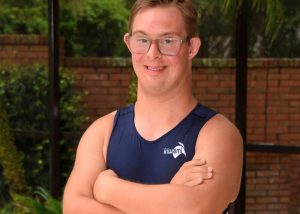
In 2020, Chris Nikic became the first person with Down syndrome to complete an IRONMAN triathlon, a long-distance endurance race comprising a 3.8 km swim, a 180 km bike ride, and a 42.2 km run. This notable accomplishment got him listed on the Guinness World Records.
What makes his achievement extraordinary is not just the physical persistence required, but the discipline and mental strength that drove him to push through despite the odds. After he completed his second IRONMAN triathlon a couple of years later, he was designated a Special Olympics Champion Ambassador, in recognition for his impact.
Zack Gottsagen
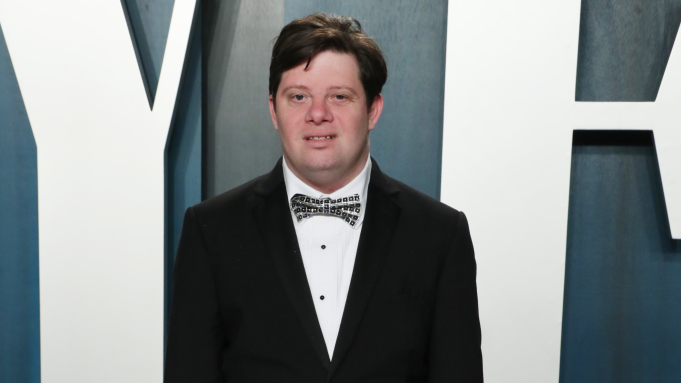
Zack Gottsagen became a notable Hollywood name after appearing in the critically acclaimed The Peanut Butter Falcon. Starring alongside Shia LaBeouf and Dakota Johnson, his performance in the film was widely praised for its authenticity and emotional depth.
Despite the limited opportunities open to him in the industry, his talent and determination eventually opened doors. His success helped spark broader conversations about representation on the big screen, and the importance of creating opportunities for actors of all abilities.
Pablo Pineda
View this post on Instagram
Spanish actor Pablo Pineda became the first European with Down syndrome to earn a university degree, graduating in educational psychology. His performance in the 2009 film Yo, también, in which he played a university graduate, is reflective of his lived experience.
He went on to build a career in teaching, and became an international motivational speaker advocating for inclusion.
“I always say I am Pablo Pineda and that I have Down’s syndrome,” he said at the First Session of Labour Integration for People with Disabilities in Barcelona. “There is a big difference between ‘having’ and ‘being.’ ‘Being’ can crush you down and ‘having’ shows it is only one feature.”
Sujeet Desai
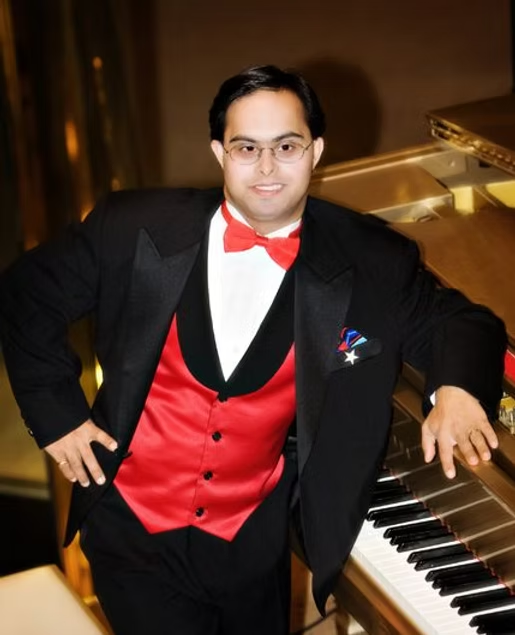
Sujeet Desai is an international performer who has mastered numerous instruments, including the clarinet, violin, piano, trumpet, and drums. He has played at prestigious venues around the world, including at Carnegie Hall and the United Nations. In 2022, he became the first musician with Down syndrome inducted into the Buffalo Music Hall of Fame.
His career underscores a powerful message: ability is not defined by diagnosis, but by opportunity and perseverance.
Why Representation Matters
Representation is more than visibility – it is validation. When people see individuals like themselves in positions of success, it expands their sense for what is possible. It offers hope and, on a larger scale, challenges stereotypes.
Such individuals are examples of what can happen when barriers are removed and potential is nurtured. Their achievements are important reminders of how talent is universal, and every person, regardless of ability, has the right to thrive.
External References
- Ettinger, Z. (2020, March 10). 13 people with Down syndrome who are breaking barriers in entertainment, athletics, fashion, and more. Business Insider. Retrieved from: https://www.businessinsider.com/people-with-down-syndrome-breaking-barriers
- Shepherd, E. (2024, November 25). 10 famous and successful people with Down’s syndrome. Disability Horizons. Retrieved from: https://disabilityhorizons.com/2024/11/10-famous-and-successful-people-with-downs-syndrome/
- Special Olympics. (n.d.). How Chris Nikic Made History. Retrieved from: https://www.specialolympics.org/how-chris-nikic-made-history

