

Editor’s note: This article was accurate at the time of publication on 25 January 2022. Information and guidance on COVID-19 may have changed since. Please check the latest advice from your local health authority.
The COVID-19 pandemic is an ongoing global pandemic caused by severe acute respiratory syndrome coronavirus 2 (SARS-CoV-2). As of 21 Jan 2022, more than 343 million people have been infected with 5 million people died from COVID-19 worldwide. Vaccines have been made available to general public since early 2021, which greatly reduced community transmission and risk of developing serious symptoms. Two years into the pandemic, there are still very limited options of treating medium or severe symptoms of COVID-19. Recently, a new oral medication called molnupiravir, has been approved in many countries, including Singapore and UK, to treat COVID-19 patient with mild or medium symptoms. This article will go through 5 things you need to know about this oral drug.


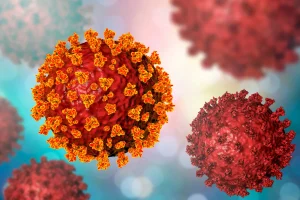
Figure 1: SARS-CoV-2 3D Model
1. Who made it?
Molnupiravir is developed by pharmaceutical company MSD in collaboration with Ridgeback Biotherapeutics. MSD is an American multinational pharmaceutical company established in 1891. Over its century-long history, it has developed medicines, vaccines, biologic therapies and animal health products. It has multiple blockbuster drugs or products including cancer immunotherapy, anti-diabetic medication and vaccines against HPV and chickenpox.
2. How does it work?
Molnupiravir is designed as an antiviral medication inhibits the replication of certain RNA viruses, including SARS-CoV-2, the virus that causes COVID-19. It was originally designed to treat influenza, but further developed and tailored for COVID-19.
Essentially, SARS-CoV-2 virus carries its genetic information in a molecule known as RNA. To be able to replicate and spread, its RNA molecule needs to be replicated as well. Molnupiravir inhibits the reproduction process by promoting widespread mutations in the replication of viral RNA by RNA-derived RNA polymerase. The mutations stop the replication process and virus would not be able to reproduce or spread as a result.
3. Does it actually work?
The company published Phase 3 clinical trial result on 1st October 2021, which indicated that molnupiravir can halve the hospitalisation rate. At the interim analysis, 7.3 percent of patients who received molnupiravir were hospitalised through Day 29, compared with 14.1 percent of placebo-treated patients who were hospitalised or died.
MSD has applied for emergency use authorisation in the US and regulatory agencies worldwide. So far, the results have been promising.
4. Who can use it and when to use it?
The European Medicines Agency has issued advice on the use of molnupiravir to treat adults with COVID-19 who do not require supplemental oxygen and who are at increased risk of developing severe COVID-19. It is advised that people should take it as soon as possible after initial diagnosis of COVID-19 and within 5 days of the start of symptoms. The capsule should be taken twice a day for 5 days.
In Asia, Singapore and South Korea have signed contract with MSD to supply molnupiravir for assessment. No detailed guidelines have been issued for the general public as of yet.
5. What are the side effects?
So far, no detailed information regarding to its side effects have been made available. However, similar drugs which induce mutations in genes have been shown to potentially have cancer-causing abilities, and are put under strict regulations in terms of usage and prescription.
Frequently Asked Questions
What is molnupiravir?
Molnupiravir is an oral antiviral medicine that was authorised in some countries to treat mild to moderate COVID-19 in people at high risk of severe illness.
Who was molnupiravir meant for?
It was mainly intended for adults at higher risk of severe COVID-19 who were not suitable for other treatments, and is not recommended in pregnancy.
Can I take COVID-19 antivirals without a prescription?
No. COVID-19 antivirals should only be taken under a doctor’s advice. Guidance has changed since this article was published. For the latest advice, check your local health authority, such as the Ministry of Health in Singapore.

