Search Results: infectious diseases (124)

Rats can carry and spread infectious diseases. When they roam about, their feces, urine, or saliva contaminate water, food, and even dust. If humans have direct contact with this contaminated water, food, or dust, dangerous diseases such as hantavirus or salmonellosis may be spread to them. These diseases may also be spread through rat bites. Occasionally, some rats can be aggressive. They may attack and bite humans, spreading various dangerous diseases.

In a bid to curb the spread of infectious diseases among inmates, the Provincial Health Office (PHO) of Batangas has initiated monthly medical missions at the Batangas Provincial Jail (BPJ). This enhanced effort began in May. Thus far, it has already benefitted nearly 1,000 persons deprived of liberty (PDLs) These missions are part of a comprehensive strategy to enhance the healthcare system within the facility, ensuring that inmates receive adequate medical attention and preventive care.

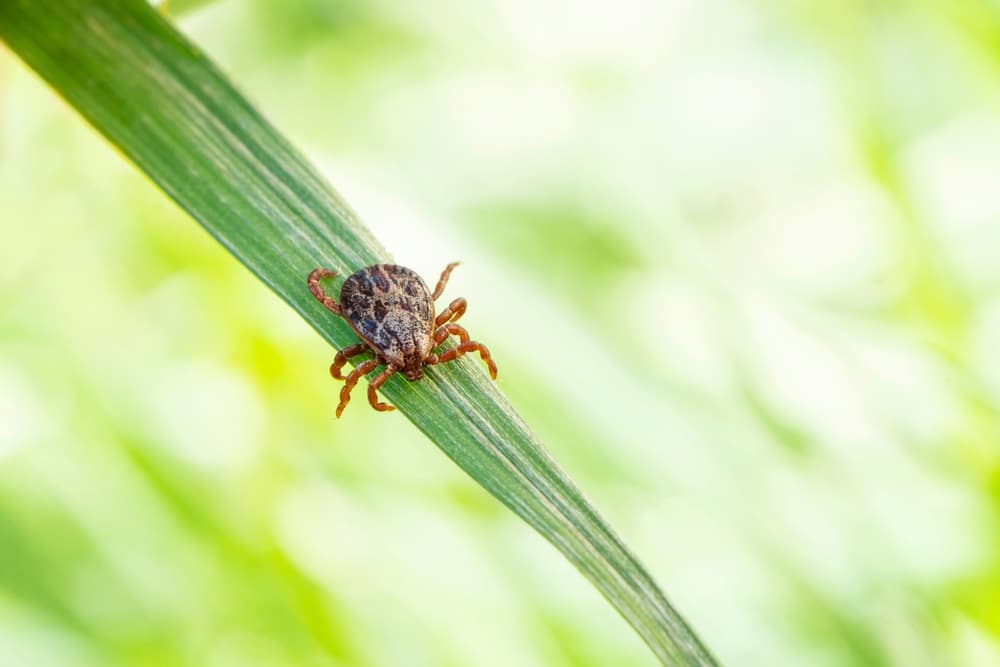
In a concerning development for public health, Japan has confirmed its first case of human-to-human transmission of Severe Fever with Thrombocytopenia Syndrome (SFTS), a potentially lethal tick-borne viral hemorrhagic fever. The National Institute of Infectious Diseases announced that a young doctor, aged in his 20s, contracted the virus following the treatment of a patient who succumbed to the disease in April 2023.

The Inter-Agency Task Force for the Management of Emerging Infectious Diseases (IATF) in the Philippines recently recommended the extension of Alert Level 2 enforcement in 26 areas until the end of April 2023 due to the ongoing COVID-19 pandemic. This decision was made to prevent the further spread of the virus in the affected areas. Let us take a closer look at this story from a medical perspective.