

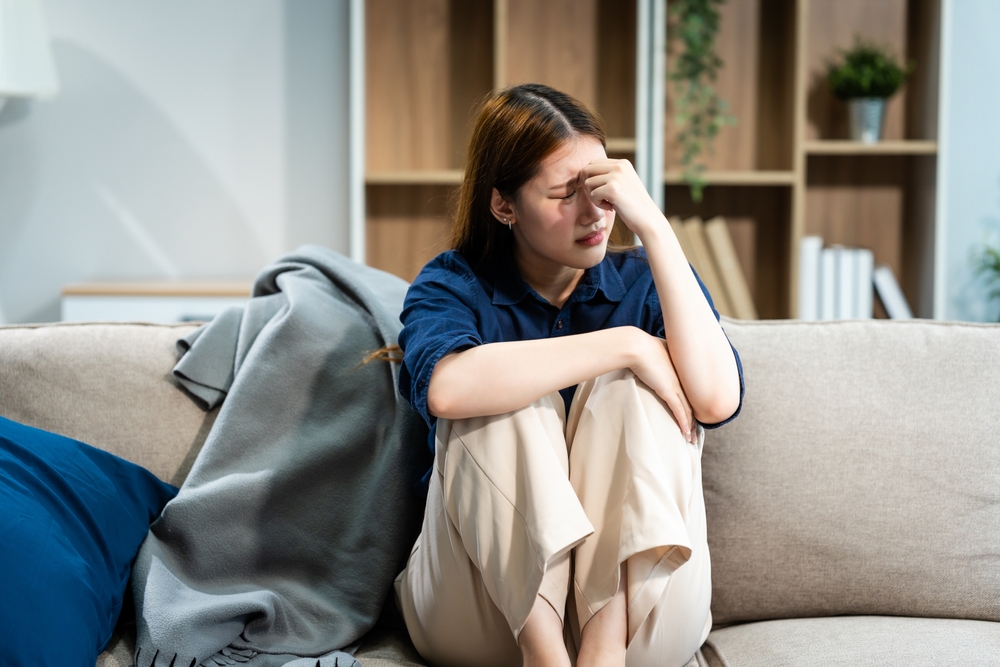
Addiction treatment works best when it addresses cravings, withdrawal, mental health and daily triggers, rather than relying on willpower alone.Willpower alone doesn’t beat addiction.
That sounds cold but it’s true. Addiction used to be viewed as a moral weakness or shortcoming. Something that you could just “will yourself” out of. Science shows us otherwise though.


Addiction alters the brain. It affects how a person thinks, feels, and decides. So real recovery requires much more than good intentions.
The good news is, modern treatment works. Knowing how it all ties together is the first step in getting YOU (or your loved one) better.
Why Willpower Alone Falls Short
Addiction is not a moral failing. It is not simply the result of someone repeatedly making poor choices.
Clinically known as a substance use disorder, addiction is a health condition that can affect both the brain and behaviour. Over time, repeated substance use can produce powerful cravings and withdrawal symptoms. It may also become tied to a person’s relationships, routines and ways of coping with stress.
Telling someone to “just stop” overlooks these physical and psychological effects.
Consider how other long-term health conditions are treated. A person with diabetes or high blood pressure would not usually be told to manage the condition through determination alone. They would be encouraged to seek medical care, follow a treatment plan and receive support from the people around them.
Addiction works the same way.
Some people experience a return to substance use after treatment. This does not mean that they are weak or that treatment was pointless. As with other long-term conditions, symptoms can return and the care plan may need to be reviewed.
Changing how we see addiction also helps reduce stigma. Shame and fear of judgement can prevent people from seeking help. When addiction is recognised as a treatable health condition, recovery can feel more achievable.
What Does The Rehab Admissions Process Involve?
Most people have no idea what actually happens when someone enters treatment.
They envision some scary hospital-esque intake process or prison-like facility. Nothing could be further from the truth. The rehab admissions process is streamlined to be as easy as possible so that no barriers exist for someone seeking help. Facilities that offer residential addiction treatment have round-the-clock care and a structured setting free of daily triggers…allowing each person their best opportunity at true recovery.
The admission process commonly includes:
An initial call or assessment: A trained professional asks about the person’s substance use, medical history, mental health and living situation.
A clinical evaluation: A clinician conducts a more detailed assessment to determine the safest and most appropriate level of care.
Financial arrangements: The centre explains its fees, insurance coverage or available payment options. These arrangements vary between countries and providers.
Withdrawal planning: Some people may require medically supervised withdrawal before beginning therapy.
Admission and orientation: The person is welcomed, shown around the facility and introduced to the treatment programme.
In urgent situations, admission may happen quickly. However, the exact process depends on the service, the person’s condition and local availability.
Cost remains a major obstacle for many families. Anyone considering treatment should ask for a clear breakdown of fees and explore public, community-based or subsidised services where available.
The Types Of Treatment That Actually Work
There is no single treatment that suits every person. The right approach depends on the substance involved, the severity of the addiction and the person’s physical, psychological and social needs.
Medically Supported Withdrawal
Withdrawal management, sometimes called detoxification, often comes first. Its purpose is to manage physical withdrawal symptoms and keep the person safe.
Withdrawal from alcohol, benzodiazepines and certain other substances can be dangerous without medical supervision. A person who has been using these substances heavily should not stop suddenly without professional advice.
Detoxification alone is rarely enough. It addresses the immediate physical effects but not the triggers and behaviours linked to addiction.
Inpatient & Residential Care
Where someone stays at the treatment centre during their recovery. Everyday tasks are very structured around therapy sessions, group work and healthy habits. This level of care may be suitable for someone with a severe addiction, repeated relapses or a home environment that does not support recovery.
Outpatient Programmes
Outpatient is ideal for those with mild- to moderate-addictions. It can also be used for those moving from an inpatient programme. People will visit the facility for treatment, but return home afterwards.
Therapy & Counselling
Therapy is where the real behavioural work happens. Common approaches include:
- Cognitive Behavioural Therapy (CBT)
- Motivational Interviewing
- Family Therapy
- Group Counselling
These treatments can help someone identify triggers, understand the factors behind their substance use and learn healthier coping skills.
Medication-Assisted Treatment (MAT)
With opioid and alcohol addictions, medications such as buprenorphine, methadone and naltrexone can significantly decrease cravings. They are usually most effective when combined with counselling and ongoing medical care.
What Makes Recovery Stick
Completing a treatment programme is one step. Remaining in recovery is an ongoing process.
A single stay in rehabilitation may not address every challenge. Long-term recovery often requires continued care, practical support and changes to a person’s daily environment.
Helpful measures may include:
- Aftercare planning: A structured plan for what happens after treatment ends.
- Ongoing therapy: Regular check-ins with a counsellor to work through challenges.
- Support groups: Recovery groups can provide encouragement, shared experience and accountability.
- Sober living homes: A stable, substance-free environment during the transition period.
- Healthy lifestyle: Exercise, sleep, nutrition, and healthy hobbies that provide meaning without the use of substances.
Relapse does not automatically mean failure. It may mean that treatment needs to be restarted, adjusted or intensified.
However, relapse can be dangerous. After a period without a substance, tolerance may fall. Returning to a previously used dose could result in an overdose. Medical help should be sought promptly.
The Bottom Line
Addiction is a medical condition, not a character flaw.
Willpower can motivate someone to seek help, but it may not be enough to manage withdrawal, cravings and the circumstances that keep an addiction going.
The key points are simple: different treatments suit different people, recovery usually requires continued support, and relapse means the care plan may need to change.
If you or someone you know is struggling with addiction, do not wait for the situation to become a crisis. Speak to a doctor, addiction service or qualified mental health professional.
Recovery is possible, and there is no shame in asking for help.

