

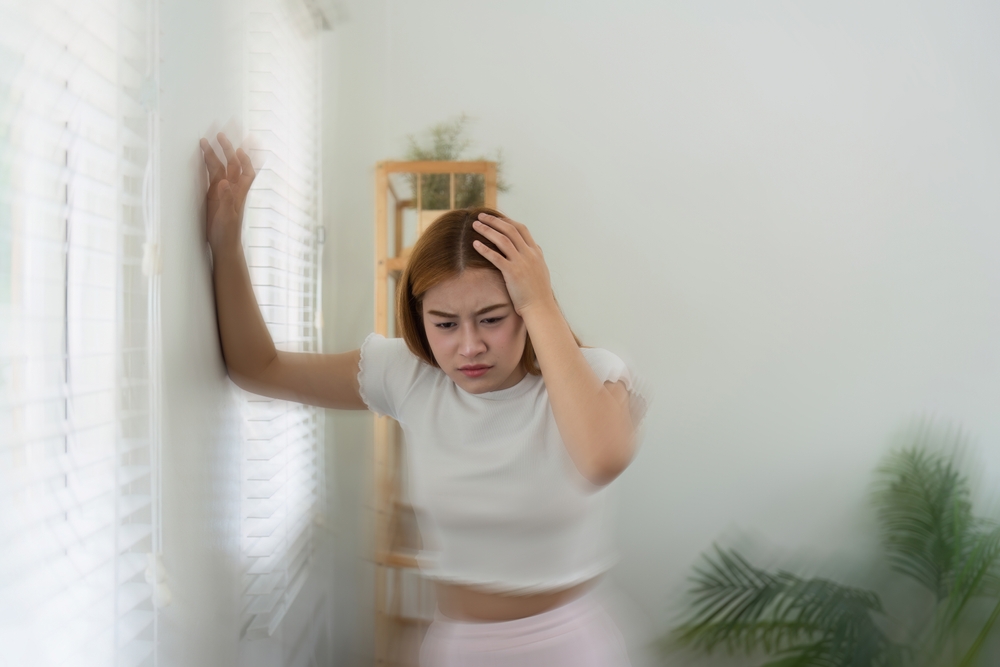
Migraine warning signs are easy to mistake for everyday fatigue or stress. Understanding the four stages of a migraine, recognising personal triggers and knowing when to act could help you manage the next attack.
Anyone who has ever experienced a migraine knows that this neurological condition is more than “just a bad headache”. It is a dull pressure behind your eyes, a tight band squeezing your temples, a sharp, steady throb that transforms every sound and movement into violent jabs at your brain.


Basically, a migraine can ruin your day.
So how do we get rid of it, or better – stop it before it even begins?
What Happens During a Migraine Episode
Before we get into how to prevent a migraine attack, it would be useful to understand how it can occur in the first place.
It generally progresses through 4 stages: prodrome, aura, headache, and postdrome.
Stage 1 (Prodrome): When Something Feels “Off”
Also known as the premonitory stage, prodrome can begin 1 to 2 days before the headache even arrives.
Common pre-migraine symptoms include:
- Food cravings
- Frequent urination or digestion troubles
- Fatigue
- Frequent yawning
- Mood changes such as irritability, or feeling unusually low
- Restlessness
- Stiffness or other discomfort in the neck
- Difficulty concentrating
- Increased sensitivity to light or sound
Not everyone experiences prodrome. Even if you do, this stage can also be easily overlooked, as many of the symptoms feel unrelated to a migraine. Rather than anticipating an attack, you may think you are just feeling tired, hungry, or stressed.
Stage 2 (Aura): A Sensory Warning
As with prodrome, it is also possible that the aura stage does not occur for everyone, or for every migraine.
For those who have experienced it, it can affect vision, sensation, speech or movement. Aura typically lasts between 5 minutes to an hour before the headache, and can persist through the headache itself.
Common symptoms include:
- Seeing flashing lights, zigzag lines and blind spots
- Numbing or tingling sensations
- Disturbances in taste, smell or touch
- Muscle weakness
- Difficulty speaking
While these symptoms seem alarming, they are typical to a migraine. However, if you experience new or unusual neurological symptoms, it should be assessed urgently as aura can also resemble the symptoms of other medical conditions, including stroke.
Stage 3 (Headache): The Migraine Arrives
Then comes the stage people normally associate with migraines: the headache itself.
You will typically experience severe pain on one side of the head, though feeling the ache on both sides is possible. You may also experience:
- Nausea or vomiting
- Sensitivity to light, sound and smells
The headache can last anywhere from several hours to several days, especially if left untreated.
Stage 4 (Postdrome): The Migraine Hangover
Finally, we reach postdrome, also known as the “migraine hangover”, which can last up to 48 hours.
You can experience:
- Fatigue and mental fogginess
- Difficulty concentrating
- Dizziness
- Body aches
- Dehydration
- Mood changes
Postdrome starts when the pain of the headache has lessened, but it may not be completely gone. It is important to give yourself sufficient time to rest at this stage before returning to normal activity.
Preventing a Migraine

A migraine is a condition that distracts and drains, taking over your whole body and mind until even the simplest of chores feel like a Sisyphean task. This is why it is important to uncover how to prevent them in the first place.
The best place to halt a migraine is at prodrome, before the migraine can manifest itself. If you are experiencing its symptoms, some actions you can perform include:
- Taking pain-relieving or other preventative medication
- Taking time to rest or even nap, preferably in a dark and quiet room
- Applying a cold or warm compress to help with the pain or stiffness, or even taking a shower
- Avoiding migraine triggers
When it comes to this last solution, it is important to take notice of what happens before your migraine, especially if it comes all too often. It is recommended to keep a record of potential triggers, which may include:
- Environmental factors like flashing lights, loud noises, strong odours, or even weather changes
- Lifestyle factors like missed meals, insufficient sleep or physical overexertion
- Medication
- Foods like caffeine, aged cheeses or alcohol
This will help a great deal in creating a migraine management plan customised to you.
“Every patient is unique, and what may work for one person may not work for another,” noted Dr Zhao Yi Jing, a consultant neurologist at Mount Elizabeth Hospital, in The Straits Times. “It helps when you identify personal headache triggers and learn to adapt your lifestyle accordingly.”
Learning to recognise the early warning signs can make a real difference in helping you manage any potential attacks more effectively.
But if a migraine does break through, give yourself permission to slow down. Remember that taking care of yourself is not about being unproductive, but simply about giving your body exactly what it needs.
External References
- Cleveland Clinic. (2024, January 23). Migraine Headaches. Retrieved from: https://my.clevelandclinic.org/health/diseases/5005-migraine-headaches
- Gurarie, M. (2026, May 22). 7 Ways You Can Help Prevent a Migraine. Health. Retrieved from: https://www.health.com/migraine-prevention-7094820
- Hammond, N. (2025, July 23). Top Strategies to Try for Migraine Relief. Healthline. Retrieved from: https://www.healthline.com/health/migraine/treating-migraines/how-to-get-rid-of-a-migraine
- Herndon, J. (2025, July 6). What Are the Stages of a Migraine Episode? Healthline. Retrieved from: https://www.healthline.com/health/migraine-stages
- Srakocic, S. (2025, April 17). Understanding and Recognizing Pre-Migraine Symptoms. Healthline. Retrieved from: https://www.healthline.com/health/migraine/pre-migraine-symptoms
- The Straits Times. (2025, February 10). Unbearable throbbing pain, recurring nausea, light sensitivity: When to seek help for severe headaches and migraine. Retrieved from: https://www.straitstimes.com/singapore/health/help-for-severe-headaches-migraines-mount-elizabeth

