

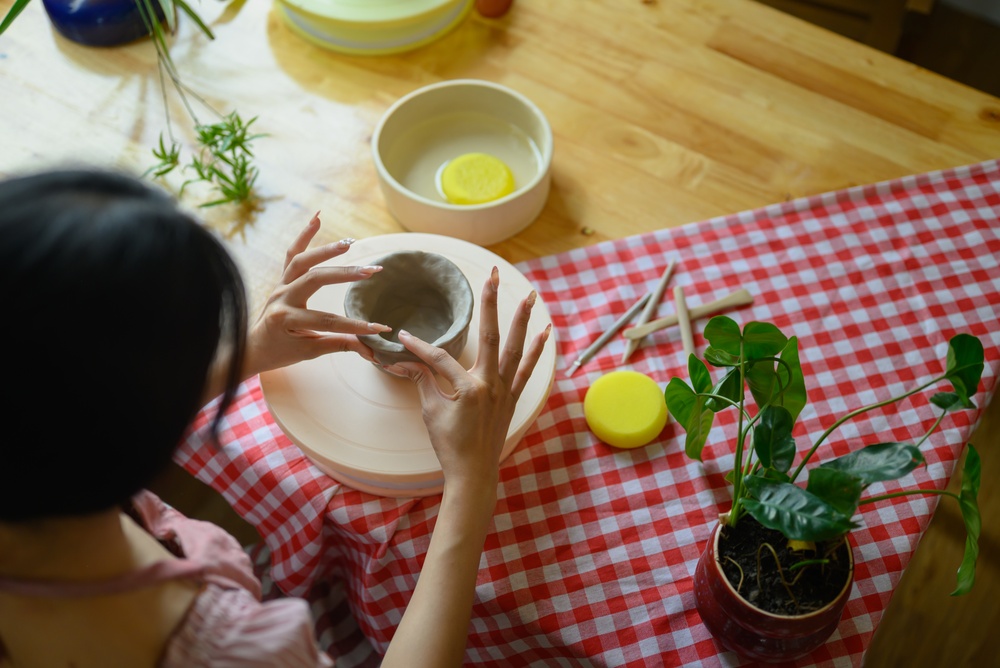
Creativity is an innate human instinct, and embracing it can be one of the simplest yet most effective ways to nurture our overall health.
Have you ever taken a quick break by scrolling through your phone, only to look up and find that an hour has passed? To make matters worse, this “break” doesn’t even leave you feeling any more rested than you were before.


In an era where our attention is constantly being pulled in different directions, finding moments of genuine rest can feel surprisingly difficult, and the irony is that many of us seek relaxation through the very devices that often contribute to our mental overload. Our digital footprints reveal that we watch Bob Ross videos instead of actually painting, save recipes we never cook, and admire handmade crafts without ever trying to make them ourselves.
It seems that while social media has made creativity more accessible than ever, they can sometimes keep us as spectators rather than participants.
This is why having creative hobbies can feel more essential than ever. Whether it’s gardening, knitting, baking, or learning to play a musical instrument, creative activities encourage us to slow down even as they empower us to focus on the present moment and reconnect with ourselves.
Creativity: A Natural Aid for Mental Health
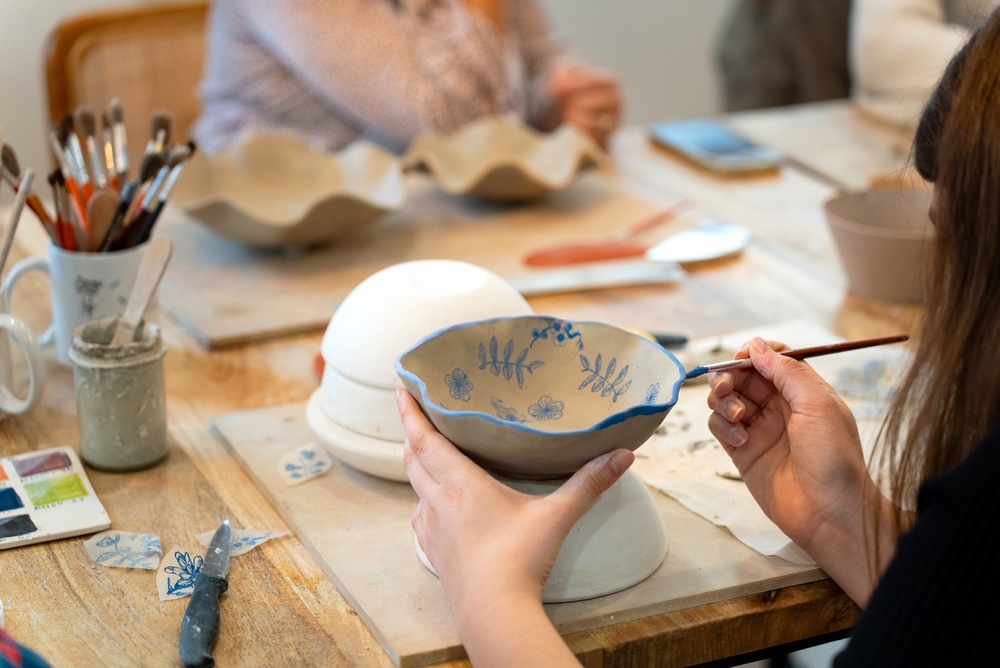
With life feeling like an endless loop of responsibilities, deadlines, and information overload, it is no surprise that chronic stress has become an increasingly common issue. It affects everything, from sleep quality and immune function to cognitive wellbeing and emotional resilience.
This is where creative hobbies come in, offering a healthy escape from these pressures by shifting our attention away from our worries and towards the task at hand. The gentle focus it offers us helps interrupt cycles of anxious thinking while putting us in the perfect mental environment for relaxation, with research showing that it can reduce stress and boost subjective wellbeing. As a bonus, these creative hobbies expand our range of skills and improve our problem-solving.
Furthermore, creative hobbies enable self-expression. Emotions are not always easy to put into words, and it might be both easier and relieving to process them through something we make with our own hands. Creative hobbies hence provide a safe outlet for emotions that might otherwise remain bottled up.
In addition, hands-on creativity can do more than just anchor us in the present moment. According to Dr Joachim Lee, principal psychotherapist and founder of private practice Neuro Therapy, the experience can soothe our prefrontal cortex, the command centre for executive functions like decision-making and emotional regulation.
“This opens the door to ‘flow’, a natural alpha brainwave state where stress melts away and dopamine (a hormone and feel-good chemical in the brain) brings a gentle sense of joy,” he explained in CNA.
The pleasure of the experience and the tangible product that comes out of it can be highly gratifying, and is something to look forward to whenever we feel overwhelmed by everyday routines, helping to stave off the burnout.
Why Unplugging Makes a Difference
Technology has made it easier to learn creative skills through tutorials and forums, but it is important to remember that being chronically online can unintentionally reduce many of creativity’s therapeutic benefits.
When you take them offline, it creates valuable psychological space, reducing the cognitive fatigue (and perhaps the eye strain) linked to too much screen time. It also encourages slower, more intentional living, with opportunities for meaningful reflection, and even fun excuses to hang out with your loved ones for a group activity.
Moreover, the physical experience of a creative hobby can affect the body just as much as it does the brain. For example, the rhythm created by our own hands and fingers when we shape something can help regulate our nervous system and make us feel more grounded.
“Making art isn’t just relaxing,” Dr Lee highlighted. “It’s a neuro-emotional reset.”
Fostering a Healthier Relationship With Leisure

There is something uniquely healing about putting the screen aside and building something with our own hands. In an age of instant gratification and progress over joy, creative hobbies teach us patience, encourage mindfulness, and foster resilience. When it exists solely for personal fulfilment, it becomes an act of self-care, and a reminder that not everything we do needs to be productive.
So if you create simply because it feels good, that is all the reason you need.
External References
- Curtis, L. (2026, June 10). 12 Ways To Combat ‘Brain Rot’ From Social Media Use. Health. Retrieved from: https://www.health.com/habits-to-prevent-brain-rot-8766150
- Field, B. (2026, January 27). How Creativity Positively Impacts Your Health. Verywell Mind. Retrieved from: https://www.verywellmind.com/how-creativity-positively-impacts-your-health-5113162
- Nosanow, M. (2026, June 4). What if Your Hobby Was Better for You Than Your Phone? Psychology Today. Retrieved from: https://www.psychologytoday.com/sg/blog/college-mental-health/202606/what-if-your-hobby-was-better-for-you-than-your-phone
- Piao, X., Xie, J., & Managi, S. (2024). Continuous worsening of population emotional stress globally: universality and variations. BMC Public Health, 24(1), 3576. Retrieved from: https://pmc.ncbi.nlm.nih.gov/articles/PMC11668040/
- Scott, E. (2026, January 8). Why Are Hobbies Important for Stress Relief? Verywell Mind. Retrieved from: https://www.verywellmind.com/the-importance-of-hobbies-for-stress-relief-3144574
- Sng, E. (2025, July 19). Don’t have a creative hobby? Here’s why you should paint, sew or bake. CNA. Retrieved from: https://www.channelnewsasia.com/today/mental-health-matters/creative-hobby-personal-leisure-arts-crafts-photography-mental-health-5239751
- Tan, C. Y., Chuah, C. Q., Lee, S. T., & Tan, C. S. (2021). Being Creative Makes You Happier: The Positive Effect of Creativity on Subjective Well-Being. International Journal of Environmental Research and Public Health, 18(14), 7244. Retrieved from: https://pmc.ncbi.nlm.nih.gov/articles/PMC8305859/

