


Exploring how artificial light at night disrupts circadian rhythms and impacts health, with insights from global research.
The advent of electricity and artificial light has profoundly altered human activity patterns, extending our active hours well into the night and giving rise to the “evening chronotype” or “night owls” who thrive after dark.
This shift, while beneficial for economic productivity and accommodating a non-stop global economy, poses significant health risks. Night shift work and the preference for late-night activity – patterns increasingly common across Asia as it urbanises – are major risk factors for circadian misalignment. This misalignment is associated with a host of chronic conditions, including metabolic and cardiovascular diseases, Alzheimer’s disease, and cancer.


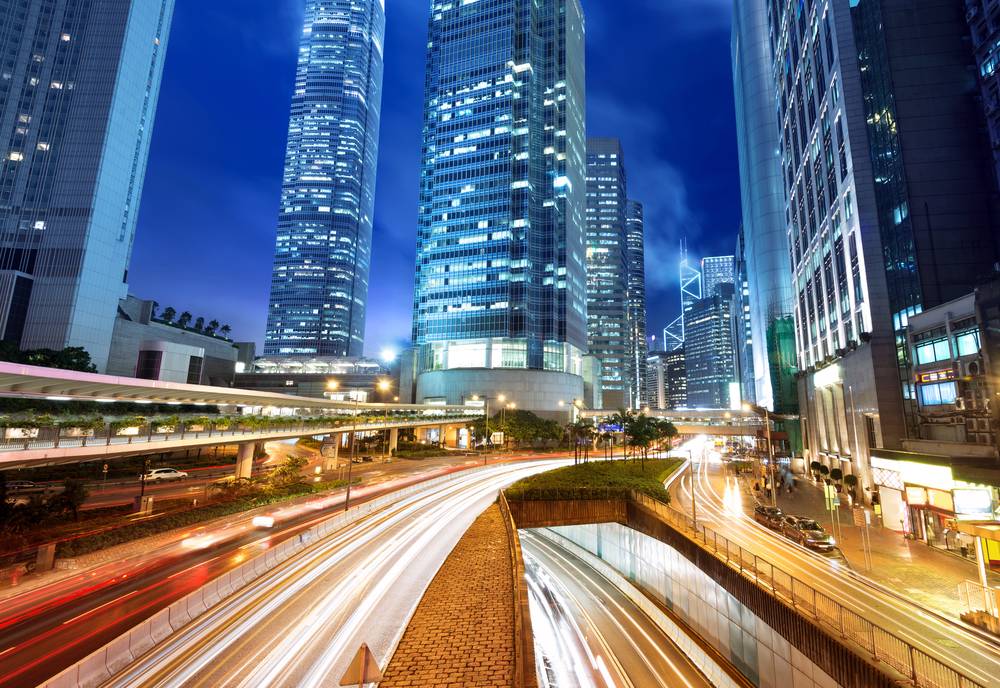
The pervasive spread of artificial light at night exacerbates these issues, particularly in densely populated urban centres. Over 80% of the world’s population experiences significant night sky pollution due to artificial light at night, which not only disturbs the natural nocturnal environment but also drives widespread circadian disruption.
The ubiquitous use of “white” LED lamps, which emit a high proportion of blue light, further complicates this by aggressively suppressing melatonin production— a key regulator of circadian rhythm and overall health.
In this article, we explore the health risks linked to the widespread use of artificial light at night, drawing on insights from recent research findings.
Night-time Lights, Significant Health Risks
Emerging research continues to reveal the detrimental health impacts of high levels of night-time light exposure.
Coronary Heart Disease
A research conducted in Hong Kong found a 29% increase in the risk of death from coronary heart disease among those residing in areas with intense night-time lighting.
Over an 11-year period, this study assessed the effects of night-time light exposure using time-varying satellite data to capture the extent of light pollution at the participants’ homes.
The data suggested a clear dose-response relationship; each incremental increase in exposure to outdoor night light was linked to a higher risk of hospitalisations and deaths from coronary heart disease, even after adjusting for individual and environmental risk factors.
Diabetes
Another significant study from China illustrates the health implications of light pollution, showing that individuals living in areas with high levels of artificial night light face a 28% increased risk of developing diabetes.
This correlation suggests that up to 9 million diabetes cases could be linked to excessive light exposure at night. The study found that higher artificial night light exposure was positively associated with increases in HbA1c, fasting glucose, 2-hour glucose concentrations, and insulin resistance as measured by HOMA-IR.
Conversely, it was negatively associated with beta-cell function as indicated by HOMA-B. Moreover, the prevalence of diabetes escalated with each increase in quintile of artificial night light exposure.
Cancer
Recent studies have established a link between light pollution and an increased risk of breast cancer.
A large-scale study involving over 100,000 individuals found a 12% increased risk with higher exposure to artificial night light. Further investigation through a meta-analysis of 17 studies, including ten cohort and seven case-control studies, confirmed this finding, showing a risk ratio (RR) of 1.11 (95% CI 1.07–1.15) for those with the highest versus lowest artificial night light exposure.
Subgroup analyses revealed more pronounced risks among premenopausal women (RR 1.16, 95% CI 1.04–1.28) and those with oestrogen receptor-positive breast cancer (ER+: RR 1.09, 95% CI 1.02–1.17).
A dose-response analysis indicated a linear increase in breast cancer risk with rising artificial night light levels up to 40 nW/cm²/sr, particularly notable among premenopausal women.
This evidence highlights the importance of managing artificial night light exposure to mitigate breast cancer risk, especially in vulnerable groups.
Alzheimer’s Disease
One study analysed the correlation between outdoor night-time light exposure and Alzheimer’s disease prevalence in the United States using satellite data on night-time light intensity and Medicare records.
The results indicated that higher levels of night-time light were associated with increased Alzheimer’s disease prevalence. While conditions such as atrial fibrillation, diabetes, hyperlipidemia, hypertension, and stroke had stronger correlations with Alzheimer’s disease, night-time light exposure still showed a stronger association than other risk factors like alcohol abuse, chronic kidney disease, depression, heart failure, and obesity, highlighting its significance as an under-recognised contributor to Alzheimer’s disease.
Allergic Diseases
Exposure to artificial light at night has also been linked to increased risks of allergic diseases.
One study highlighted a significant correlation between outdoor artificial light at night exposure and higher rates of such diseases, with an odds ratio (OR) of 1.88. Similarly, individuals with an evening chronotype or those working night shifts showed increased odds of allergic conditions, at ORs of 1.35 and 1.33 respectively.
Stratified analyses revealed that exposure to night light significantly raised the likelihood of asthma, allergic rhinitis, and skin allergies, with specific increases in asthma and allergic rhinitis noted among those exposed to outdoor artificial light at night.
While evening chronotypes and night shift workers also showed heightened risks across these allergies, the impact varied slightly by specific condition and type of exposure. The effect of artificial light at night on allergic diseases was found to be more pronounced among youths than adults.
Physiological Mechanisms at Play
Exposure to artificial light at night disrupts the body’s circadian rhythms by affecting nearly every cell, which can increase inflammation, alter cell division, and suppress melatonin production.
Melatonin, crucial for regulating sleep, immune responses, and inflammation, is significantly reduced by light levels as low as 30 lux—similar to a dim streetlight.
When laboratory animals were exposed to night-time light, they exhibited significant neuroinflammation, or inflammation of the nervous tissue. Similarly, human studies have shown that people who slept in dimly lit environments had elevated levels of C-reactive protein in their blood, an indicator of inflammation.
Conclusion
The issue of light pollution extends far beyond mere visibility of the night sky – it is a significant public health challenge that requires attention from healthcare professionals. Healthcare professionals play a crucial role in addressing this challenge by developing and implementing strategies to mitigate its impact.
Advising patients, particularly those most at risk, on effective measures such as using blackout curtains, reducing indoor lighting during night-time hours, and removing electronic devices from bedrooms can significantly improve sleep health and overall well-being.
In clinical settings, minimising night-time lighting can also support patient recovery. By customising approaches to lessen exposure to artificial light at night, healthcare providers can profoundly benefit individuals who are especially sensitive to its effects.
Proactive efforts in managing light pollution not only safeguard human health but also help restore our connection to the natural world.
References
- Hurley, S., Goldberg, D., Nelson, D., Hertz, A., Horn-Ross, P. L., Bernstein, L., & Reynolds, P. (2014). Light at night and breast cancer risk among California teachers. Epidemiology, 25(5), 697-706. https://doi.org/10.1097/EDE.0000000000000137
- Zheng, R., Xin, Z., Li, M., et al. (2023). Outdoor light at night in relation to glucose homeostasis and diabetes in Chinese adults: A national and cross-sectional study of 98,658 participants from 162 study sites. Diabetologia, 66, 336–345. https://doi.org/10.1007/s00125-022-05819-x
- Sun, S., Cao, W., Ge, Y., Ran, J., Sun, F., Zeng, Q., Guo, M., Huang, J., Lee, R., & Tian, L., & Wellenius, G. (2020). Outdoor light at night and risk of coronary heart disease among older adults: A prospective cohort study. European Heart Journal, 42. https://doi.org/10.1093/eurheartj/ehaa846
- Voigt, R. M., Ouyang, B., & Keshavarzian, A. (2024). Outdoor nighttime light exposure (light pollution) is associated with Alzheimer’s disease. Frontiers in Neuroscience, 18. https://doi.org/10.3389/fnins.2024.1378498
- Deprato, A., Maidstone, R., Cros, A. P., et al. (2024). Influence of light at night on allergic diseases: A systematic review and meta-analysis. BMC Medicine, 22, 67. https://doi.org/10.1186/s12916-024-03291-5

