


From rice left on the hob to shared hotpot chopsticks, these eight familiar habits can raise the risk of food poisoning in Asian kitchens. These food safety tips can help make your next meal safer.
The risky part of preparing dinner is not always the cooking. It may be the chicken thawing beside the sink, the rice waiting for tomorrow’s fried rice, or the chopsticks moving between raw meat and a cooked hotpot meal.


Food poisoning happens when harmful germs or their toxins get into food. A kitchen can look clean while those risks go unnoticed. Here are eight habits worth changing, with advice grounded in guidance from the Singapore Food Agency (SFA).
1. Leaving Cooked Rice or Noodles Out Overnight
Making extra rice for fried rice is practical. Leaving it on the hob until morning is risky. Bacillus cereus, a bacterium linked to rice, noodles and other starchy foods, can grow when cooked food sits at room temperature. Some of its toxins are not easily destroyed by reheating.
If you will not eat the rice soon, cool it quickly in smaller portions and refrigerate it promptly at 4°C or below. The same care applies to cooked noodles and pasta. A hot wok the next day cannot reliably fix food that was stored badly the night before.
2. Thawing Meat or Seafood on the Countertop
A packet of chicken may still feel frozen in the middle while its outside has warmed enough for bacteria to multiply. In a warm kitchen, leaving it out overnight is particularly unwise.
Plan ahead and thaw it in the fridge, on a tray below ready-to-eat food. If you need it sooner, use a microwave’s defrost setting or place the sealed, leakproof package in ice water, changing the water frequently. Cook food thawed by these quicker methods immediately.
3. Washing Raw Chicken in the Sink
Rinsing chicken before making soup, curry or roast chicken may feel like cleaning it. While rinsing raw chicken may remove a little surface residue, it does not make the chicken safer to eat. Water does not reliably remove harmful bacteria. Instead, droplets can splash onto the sink, worktop and nearby food.
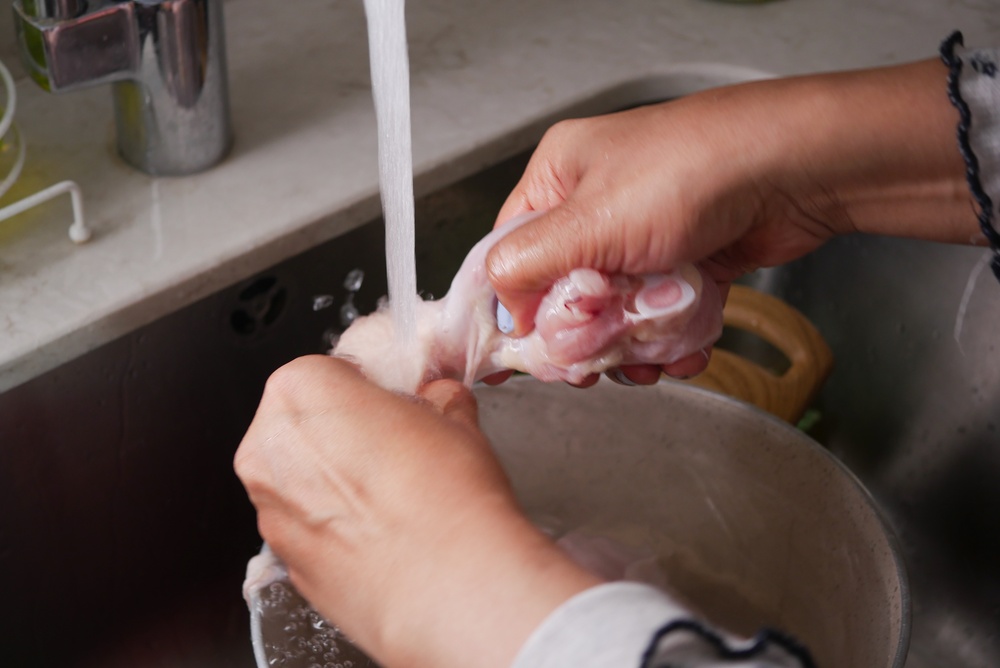
If you are making chicken soup, you can briefly blanch the chicken and discard the water to remove foam and impurities. That can make the broth clearer, but it does not make the chicken safe to eat. You still need to cook it thoroughly.
The simplest approach is to skip the rinse, keep raw chicken away from ready-to-eat food, and wash your hands, board and utensils after handling it.
4. Putting Raw Meat Above Ready-to-Eat Food
In a crowded fridge, it is tempting to fit a packet of fish wherever there is space. If its juices leak onto cut fruit, leftovers or cooked dishes below, those foods may be contaminated without anyone noticing.
Keep raw meat and seafood covered in containers or on trays on the lowest shelf. Store cooked and ready-to-eat food above them. Keep the fridge at 4°C or below, and avoid packing it so tightly that cold air cannot circulate.
5. Using the Same Chopsticks for Raw and Cooked Hotpot Food
Hotpot and steamboat make it easy to lose track of which utensils have touched raw ingredients. A pair of chopsticks used to add raw meat to the broth should not then lift cooked food onto your plate.
Use separate utensils for raw and cooked food. Let the broth boil before adding ingredients, and allow meat and seafood to cook thoroughly before eating. Avoid crowding the pot, which can make cooking uneven. SFA hotpot guidance
6. Using One Board for Raw Meat and Fresh Food
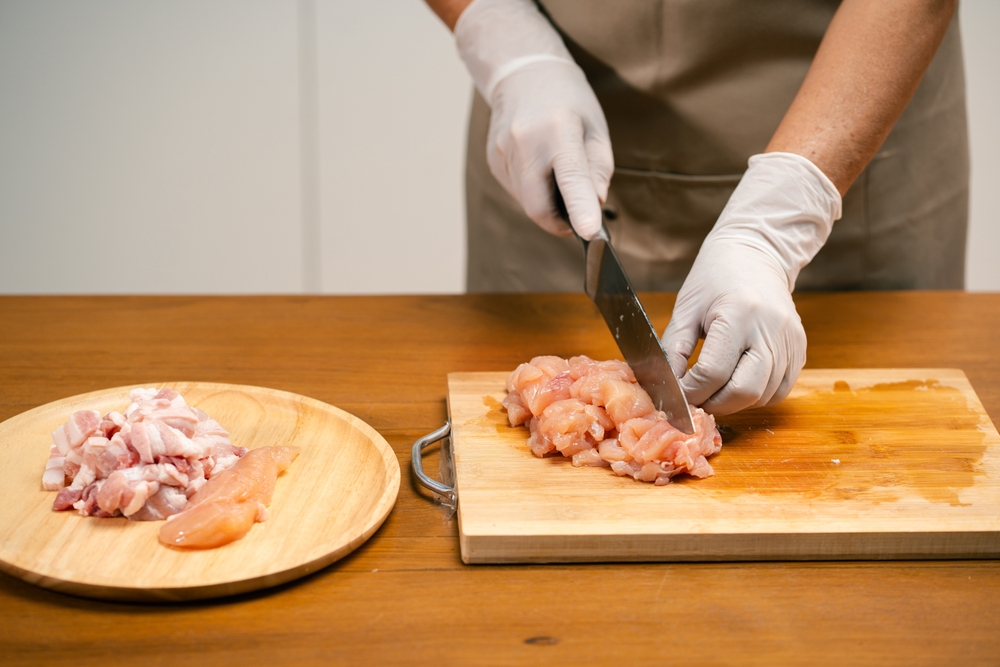
The same problem can happen before a meal reaches the table. A board used for raw chicken should not immediately be used to slice cucumber for a side dish or fruit for dessert.
Use separate boards for raw meat and ready-to-eat food where possible. If it cannot be helped, scrub the board and knife with hot, soapy water between tasks. Put cooked meat on a clean plate, rather than returning it to the plate that held it raw.
7. Letting a Large Pot of Curry Cool for Hours
A big pot of curry, stew or gravy can stay warm in the middle long after cooking ends. That slow cooling gives bacteria more time to grow. The risk matters when cooking ahead for family meals or gatherings.
Divide extra food into smaller, shallow containers so it cools faster, then refrigerate it promptly. Keep hot food hot if it is being served over a longer period. SFA highlights large batches of meat dishes and gravies as foods that need particular care during cooling. SFA guidance on temperature control
8. Guessing Whether Meat Is Cooked
A browned exterior does not tell you what has happened at the centre of a chicken thigh or meat patty. Hotpot ingredients can be just as deceptive when diners remove them soon after adding them to the broth.
Cook meat and seafood thoroughly. A food thermometer is the clearest way to check thicker pieces: It is recommended to achieve an internal temperature of 74°C for poultry and 71°C for minced meat. For hotpot, slice meat thinly so it cooks evenly, and do not remove it while it is still undercooked.
Small Habits Can Protect Your Whole Meal – And Health
The biggest food safety risks often happen between cooking and eating. Rice waits on the hob, raw chicken drips onto another dish, or the same chopsticks move between raw and cooked food. In a warm kitchen, these small slips can give germs time to spread.
You do not need to change everything at once. Start with small habits: refrigerate cooked food promptly, keep raw food separate, and cook meat thoroughly. Whether dinner is fried rice, curry or hotpot, those steps help make the meal safer for everyone at the table.

