

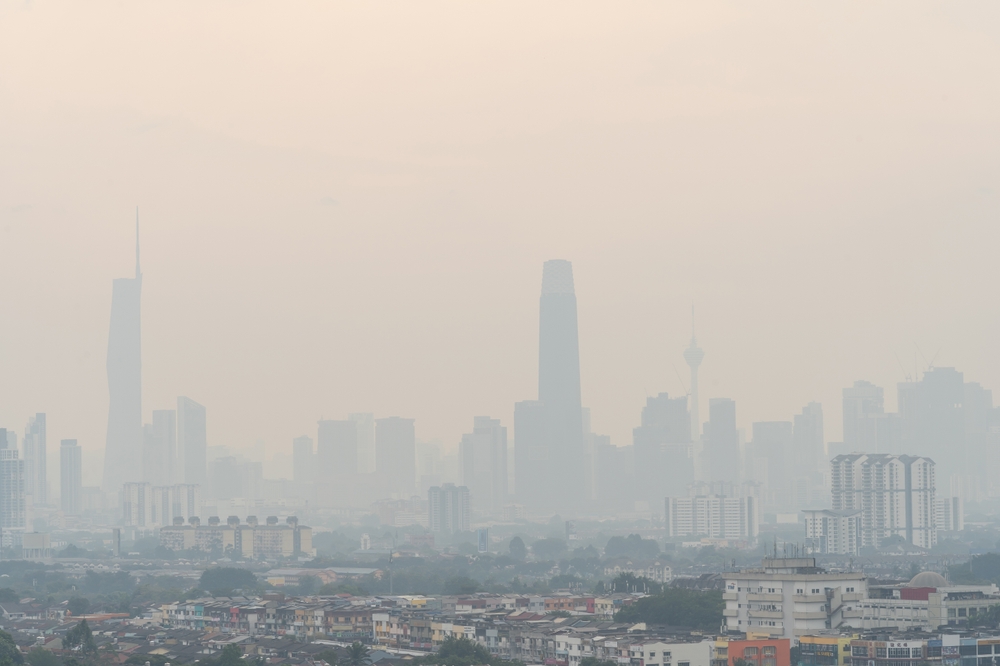
The skyline disappears – then come the stinging eyes, the scratchy throat and the familiar debate over whether it is safe to go outside. Across parts of Southeast Asia, September has brought another reminder that a forest fire does not need to reach your neighbourhood to threaten your health.
On 10 September, central Singapore’s 24-hour Pollutant Standards Index (PSI) stood at 103 at 7pm, within the unhealthy range, while other regions remained moderate. This followed an earlier deterioration on 4 September, when Singapore recorded unhealthy air quality for the first time since 2023, with the central region reaching 123/


According to the National Environment Agency (NEA), smoke from southern Sumatra was drifting towards Singapore. Fires in southern Sumatra and Kalimantan continued to produce moderate to dense smoke plumes, with persistent dry conditions raising the risk of further haze. These readings describe conditions on those dates; air quality can change as winds, rainfall and fire activity shift.
In Indonesia, fires across Sumatra and Kalimantan have sent smoke into neighbouring countries. On 4 September, Malaysia declared an emergency in Serian, Sarawak, after its Air Pollutant Index (API) reached 521. Kuching also recorded hazardous air quality. These were dated readings, but they illustrate the severity of this episode.
Malaysia has also been fighting fires within its borders. In Simunjan, Sarawak, firefighters were tackling a peatland blaze that had affected an estimated 3.5 hectares by 2 September. Days later, the Department of Environment reported monitoring bush and peatland fires in Mukah and Daro. Local fires can add to pollution, even as smoke crosses national boundaries.
Calling this “haze season” makes it sound almost routine. For families managing asthma, older people with heart disease and workers who cannot escape indoors, that familiarity offers little comfort.
Why Do These Fires Become a Regional Health Problem?
Smoke travels. Fires burning across Indonesia’s forests and peatlands have affected Malaysia, Brunei and the Philippines, while prolonged dry conditions have complicated firefighting efforts. The consequences extend well beyond the areas directly threatened by flames. CNA
In Palembang, South Sumatra, schools switched to remote learning on 9 September as pollution worsened. That disruption captures something air-quality charts cannot: hazardous air changes how children learn, how parents work and how communities function. Associated Press
The essential health message: haze can aggravate lung and heart conditions, and reducing exposure matters even when the fires are far away.
What Happens When You Breathe in Haze?
Fire smoke contains gases and tiny particles. Among the most concerning are PM2.5: particles measuring 2.5 micrometres or less in diameter. They can penetrate deep into the lungs, while the smallest particles can enter the bloodstream. Exposure to particulate pollution is associated with respiratory and cardiovascular disease.
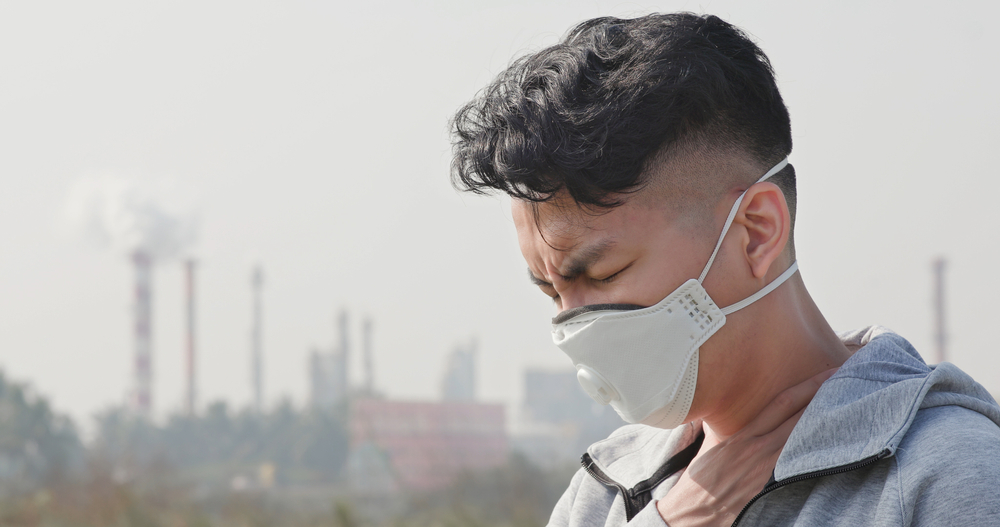
The immediate effects can feel deceptively ordinary: irritated eyes, a runny nose, headache or cough. Smoke can also trigger wheezing and asthma attacks. A cough during a haze episode should therefore prompt attention to exposure, particularly if it comes with breathing difficulties.
There is a reason health advice extends beyond people with sensitive lungs. The WHO reports cardiovascular effects associated with wildfire smoke, including palpitations and hospital admissions among older adults. Haze is a concern for people with heart disease, too.
Long-term particulate pollution exposure is also linked to lung cancer and stroke. That does not mean a single hazy afternoon will cause either condition. The distinction matters: risk depends on exposure, and the longer-term effects of repeated wildfire smoke episodes remain an active area of research.
Who Needs Extra Protection?
Children, older adults, pregnant women and people with chronic illnesses need particular consideration during smoke episodes. People with asthma, chronic lung disease or heart disease may experience worsening symptoms that require medical care.
Exposure also depends on daily circumstances. A delivery rider or construction worker cannot follow “stay indoors” advice as easily as someone working from home.
This is where public health guidance needs practical support. Employers should consider rescheduling strenuous outdoor tasks and providing access to cleaner indoor spaces. Protection should not depend entirely on whether someone can afford to stop working.
What Can We Do When It Comes To The Haze?
Start with official local air-quality reports and the accompanying health advice. In Malaysia, consult the Department of Environment’s Air Pollutant Index information. In Singapore, use the NEA haze portal. Check conditions before school activities, outdoor work or exercise.
Duration and exertion matter alongside pollution levels and existing health conditions. As air quality worsens, shorten outdoor exposure and move strenuous exercise into a space with cleaner air. Follow more cautious advice if you belong to a vulnerable group.
At home, close windows and doors when outdoor air is polluted, while keeping the room safely cool. A suitably sized air purifier with effective particle filtration can help. Avoid adding smoke indoors through cigarettes, incense or candles. If the home becomes too hot, seek a cooler place with cleaner air.
When outdoor exposure is unavoidable, a well-fitting N95 respirator can reduce inhalation of smoke particles. Fit matters: gaps undermine protection. A respirator should complement efforts to reduce exposure.
Persistent coughing, wheezing or worsening breathlessness deserves medical attention, particularly in someone with an existing condition. Severe breathing difficulty or chest pain warrants urgent assessment. Do not dismiss serious symptoms as “just the haze”.
It is tempting to carry on as usual when haze returns. You still have work to get to, children to pick up and a weekend already planned. But some plans can wait. Check the air-quality advisory before heading out, reconsider that outdoor run and take a worsening cough or wheeze seriously!

