

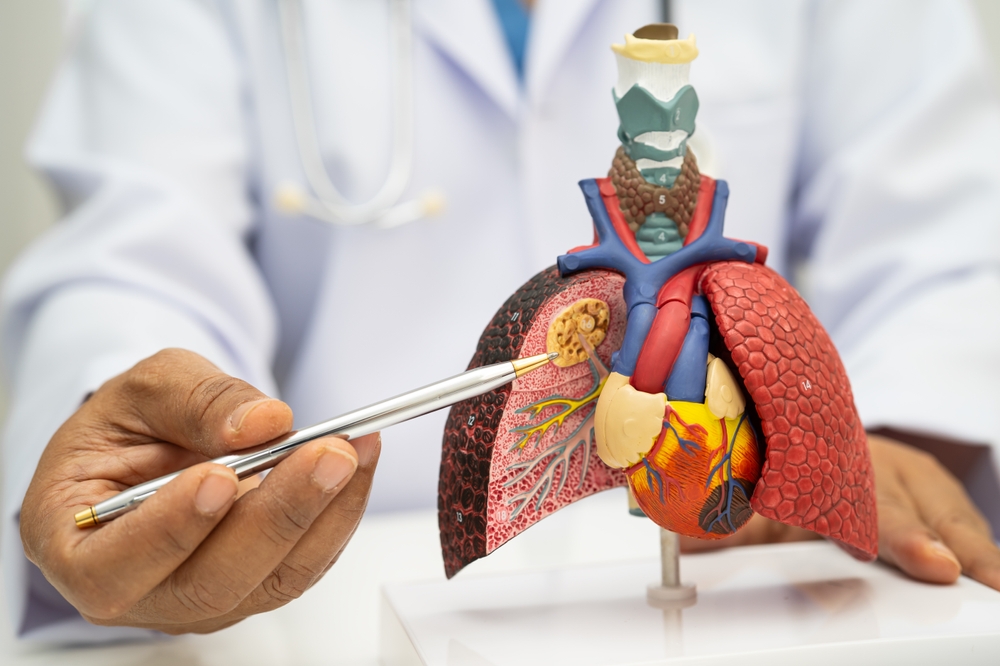
Do you regularly think about your lungs? Probably not – unless you are struggling to catch your breath after a workout, battling a stubborn cough, or getting caught up in the occasional anxiety attack.
Healthy lungs tend to be something we take for granted. However, just like any other part of the body, our lungs can be susceptible to a wide range of conditions, from familiar respiratory illnesses to rare disorders many people have never heard of.


Common Lung Conditions
Let us start with conditions we more often hear about – some of which we may easily experience for ourselves.
Asthma
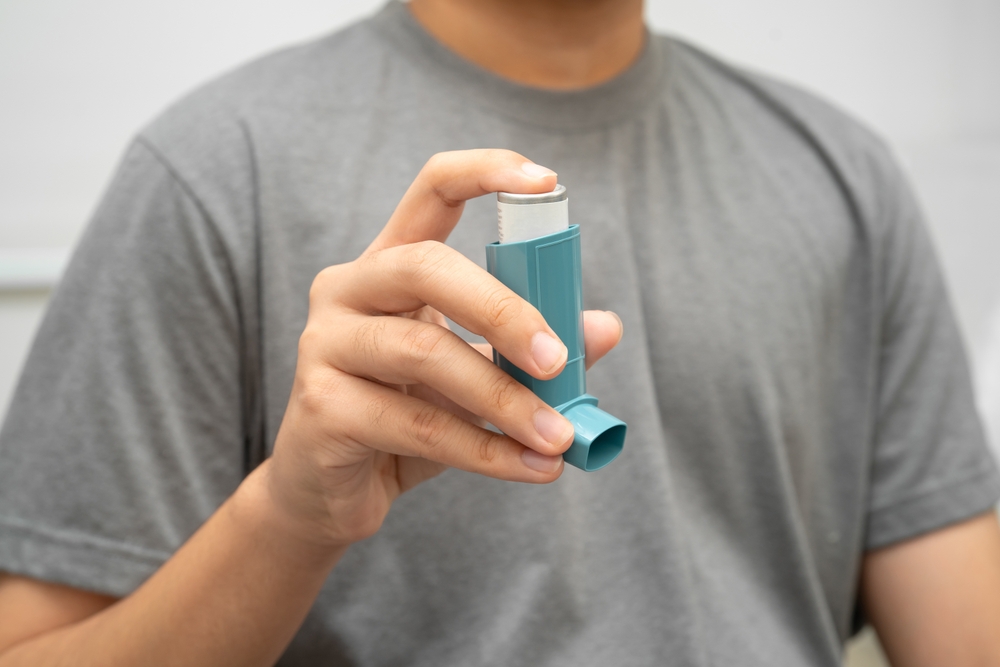
Asthma is one of the most common chronic lung conditions, causing inflammation and narrowing of the airways, which can make breathing more difficult.
People with asthma may experience:
- Wheezing
- Coughing
- Shortness of breath
- Tightness in the chest
Symptoms can be triggered by factors such as allergies, exercise, cold air, or even stress. The severity can vary considerably from person to person, though it can typically be managed using inhalers or other medication.
Chronic Obstructive Pulmonary Disease (COPD)
COPD can be used to describe two main types of progressive lung diseases that were once categorised separately: emphysema and chronic bronchitis. Both of them limit airflow, causing breathing difficulties.
Symptoms can include:
- Persistent coughing
- Increased mucus production
- Wheezing
- Weakness
- Sensitivity to respiratory infections
COPD can be caused by smoking, air pollution or occupational dust. Lifestyle changes, such as exercise, and personalised treatment can help manage this condition.
Lung Cancer
Lung cancer is a serious health condition that develops when there is an uncontrolled growth of abnormal cells in the lungs. While smoking, including second-hand exposure, is a risk factor, it can also occur in people who have never smoked.
Possible symptoms include:
- Chest pain
- Chronic cough
- Difficulty breathing
- Weight loss
- Fatigue
Treatment can depend on factors such as the type and stage of cancer, including surgery and chemotherapy. Imaging tests are needed to identify this condition.
Tuberculosis
Tuberculosis is an infectious disease caused by Mycobacterium tuberculosis, which attacks lung tissue, and can also damage other parts of the body.
It shares symptoms with many other respiratory diseases, though some typical to this condition include:
- Night sweats
- Prolonged coughing
- Weight loss
- Fatigue
- A cough that produces blood or mucus
If you are experiencing these symptoms and have recently travelled to countries where tuberculosis is common, you might want to visit the doctor to check on your lungs or to look out for swollen lymph nodes on the neck.
Pneumonia
Pneumonia is an infection that causes inflammation in the lungs, and can be caused by bacteria, viruses or other infectious agents.
Types of pneumonia include:
- Viral
- Bacterial
- Mycoplasma (or walking pneumonia)
- Fungal
- Aspiration
Depending on the cause, symptoms can include:
- Cough that produces mucus
- Fever or chills
- Nausea
- Vomiting
Pneumonia can affect people of any age, though young children, older adults, and people with certain chronic medical conditions can be particularly vulnerable to it. Treatment depends on what is responsible for the infection.
Less Common Lung Conditions
Now let us turn to a few conditions that we are less likely to hear about in everyday conversation.
Cystic Fibrosis
While cystic fibrosis can affect the lungs, it can also affect other organs, such as the pancreas. It is a genetic condition that causes a buildup of thick and sticky mucus in the affected organs.
Symptoms vary, and can include:
- Frequent lung infections
- Loose or oily stool
- Persistent coughing
- Difficulty breathing
It has no cure, but it can be managed with medication and personalised treatment.
Alpha-1 Antitrypsin Deficiency
Alpha-1 antitrypsin is a protein that produced by the liver, and an insufficient amount of this protein can increase the risk of developing COPD and other health problems.
Symptoms can include:
- Chronic cough
- Frequent chest colds
- Fatigue
- Itchy skin
- Jaundice
Alpha-1 antitrypsin deficiency is also a genetic disorder. Treatment can include medication, augmentation therapy, and lung transplant surgery.
Pulmonary Hypertension
Pulmonary hypertension involves abnormally high blood pressure in the arteries of the lungs. There are several types and causes, and the condition can develop on its own, or occur as a complication of another respiratory or cardiovascular disease.
Symptoms tend to start off mild, but can worsen over time, and include:
- Chest discomfort
- Dizziness
- Loss of appetite
- Swelling in the legs or belly
It can be difficult to diagnose as it shares symptoms with many other conditions, so if this condition is suspected, you may be required to undergo several tests.
Sarcoidosis
Sarcoidosis can trigger your immune system to form lumps in the lungs known as granulomas. The exact cause is unknown, though researchers suggest genetics and environmental factors.
Some may not exhibit any symptoms, though they can include:
- Shortness of breath
- Chest pain
- Fever
- Fatigue
Interestingly, sarcoidosis does not always require treatment – in some cases, it improves on its own. Nevertheless, symptoms should be monitored, and medications used as needed.
Looking After Our Lungs

We often expect our lungs to work day and night to deliver precious oxygen to our bodies – but this makes it easy to overlook them until something goes wrong.
“Some degree of breathlessness during physical exertion is normal. The key consideration is how quickly you recover and whether the response is proportionate to the activity,” said Dr Aneez DB Ahmed, the director and a senior consultant surgeon at International Centre For Thoracic Surgery, Mount Elizabeth Novena Specialist Centre, in CNA.
So take note of your breathing. If the degree of breathlessness feels unusually disproportionate to your activity level, or if you experience a few other symptoms attributed to a lung condition, it may be worth checking in with a healthcare provider.
After all, every breath matters, and your lungs deserve to be part of the wellness conversation, not an afterthought.
External References
- Cleveland Clinic. (2021, August 19). Rare Lung Diseases. Retrieved from: https://my.clevelandclinic.org/health/diseases/21684-rare-lung-diseases
- Cleveland Clinic. (2023, January 11). Sarcoidosis. Retrieved from: https://my.clevelandclinic.org/health/diseases/11863-sarcoidosis
- Cleveland Clinic. (2024, May 1). Cystic Fibrosis. Retrieved from: https://my.clevelandclinic.org/health/diseases/9358-cystic-fibrosis
- Cleveland Clinic. (2025, June 18). Asthma. Retrieved from: https://my.clevelandclinic.org/health/diseases/6424-asthma
- Cleveland Clinic. (2025, October 17). Pulmonary Hypertension. Retrieved from: https://my.clevelandclinic.org/health/diseases/6530-pulmonary-hypertension-ph
- Cleveland Clinic. (2026, June 19). Alpha-1 Antitrypsin Deficiency. Retrieved from: https://my.clevelandclinic.org/health/diseases/21175-alpha-1-antitrypsin-deficiency
- Khoo, B. K. (2026, May 11). Short of breath, or something more? Doctors explain when to get checked. CNA. Retrieved from: https://cnalifestyle.channelnewsasia.com/wellness/breathlessness-causes-when-see-doctor-582786
- Singapore General Hospital. (n.d.). Understanding Chronic Obstructive Pulmonary Disease (COPD). Retrieved from: https://www.sgh.com.sg/our-specialties/respiratory-and-critical-care-medicine/understanding-chronic-obstructive-pulmonary-disease–copd-
- Zimlich, R. (2026, May 8). Spotting the Signs of 7 Common Lung Conditions. Verywell Health. Retrieved from: https://www.verywellhealth.com/respiratory-diseases-5206842

